
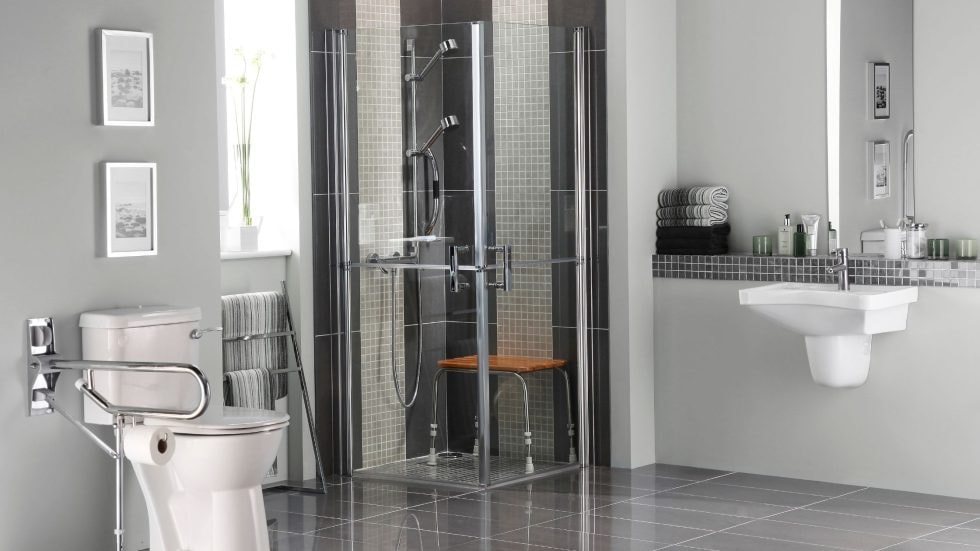
An accessible shower conversion transforms standard bathtubs into barrier-free showers that eliminate entry obstacles and support independent bathing for people with limited mobility. These modifications provide wheelchair access, reduce accidents, and allow aging homeowners to maintain dignity and independence in their own homes. The conversion process creates safe, functional bathing spaces without sacrificing style or requiring complete bathroom reconstruction.
Traditional bathtubs present significant barriers for individuals with mobility issues. Stepping over high tub walls requires balance, leg strength, and coordination that diminish with age or injury. According to the CDC, bathroom falls represent a leading cause of injuries among older adults, with bathtub entries accounting for many incidents. Converting tubs to accessible showers addresses this safety concern while improving daily comfort and independence.
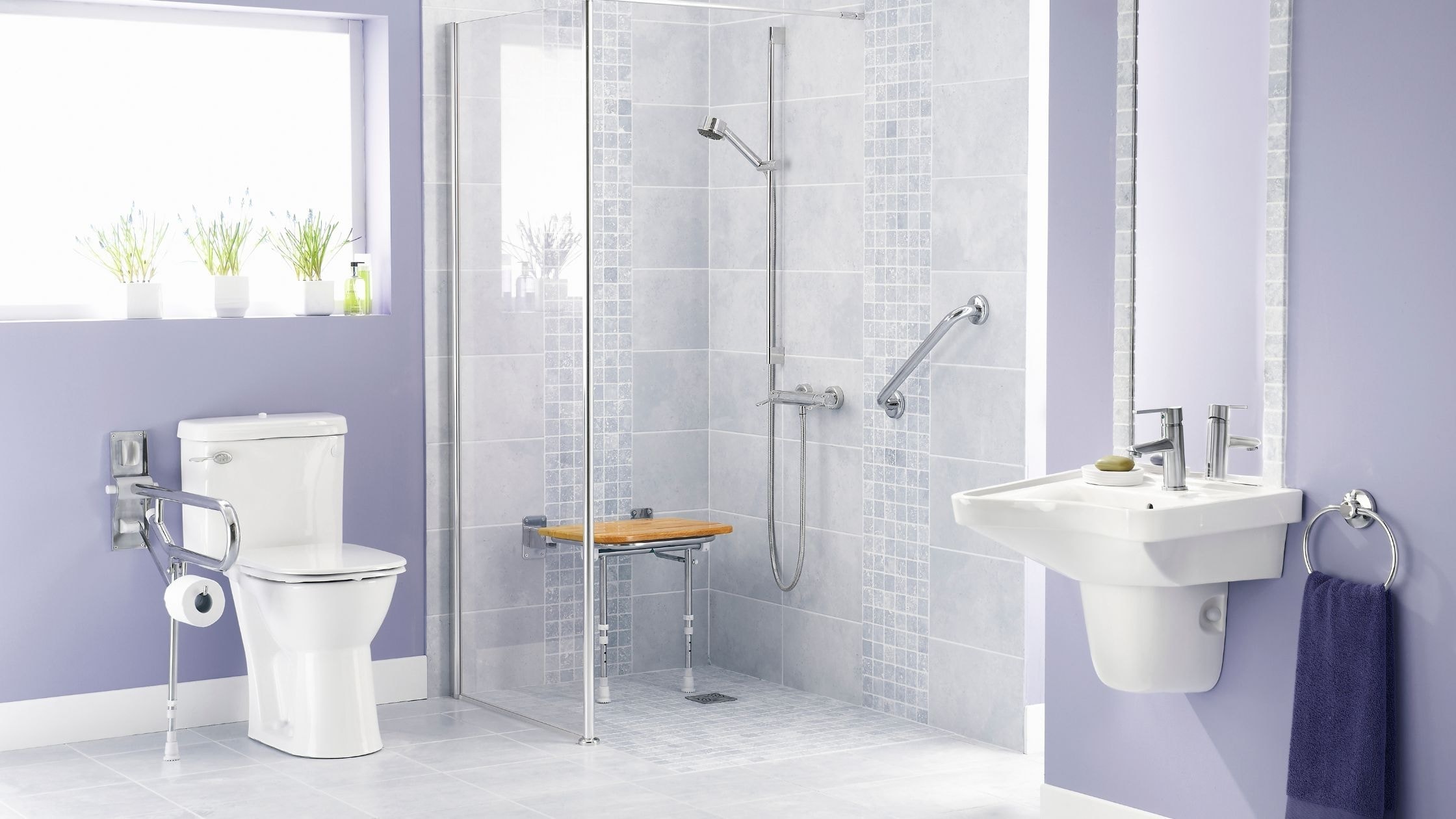
Tub-to-shower conversions designed for accessibility incorporate specific features that accommodate wheelchairs, walkers, and varying ability levels. Low or zero-threshold entries eliminate stepping hazards. Built-in seating provides stability for those unable to stand throughout bathing. Grab bars offer support during transitions and movement. These elements combine to create spaces where loved ones bathe safely regardless of physical limitations.
Pittsburgh-area families increasingly recognize that planning for accessibility prevents future disruption and expense. Installing accessible features during initial conversions costs less than retrofitting later when mobility needs become urgent. Thoughtful design creates bathrooms that serve all household members comfortably while preparing for life stage changes that affect nearly everyone eventually.
What Makes a Shower Conversion Accessible?
Barrier-Free Shower Entry Design
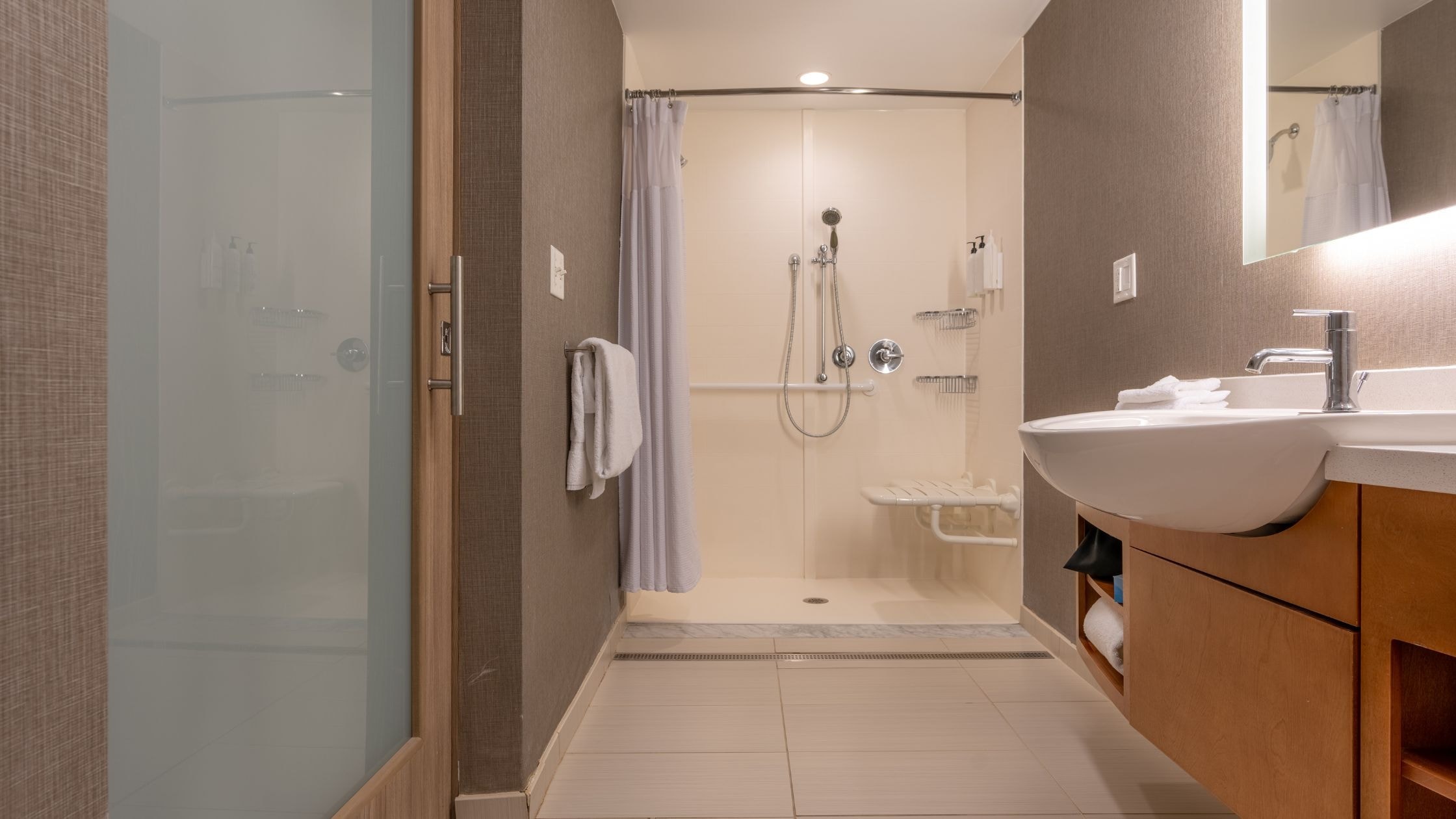
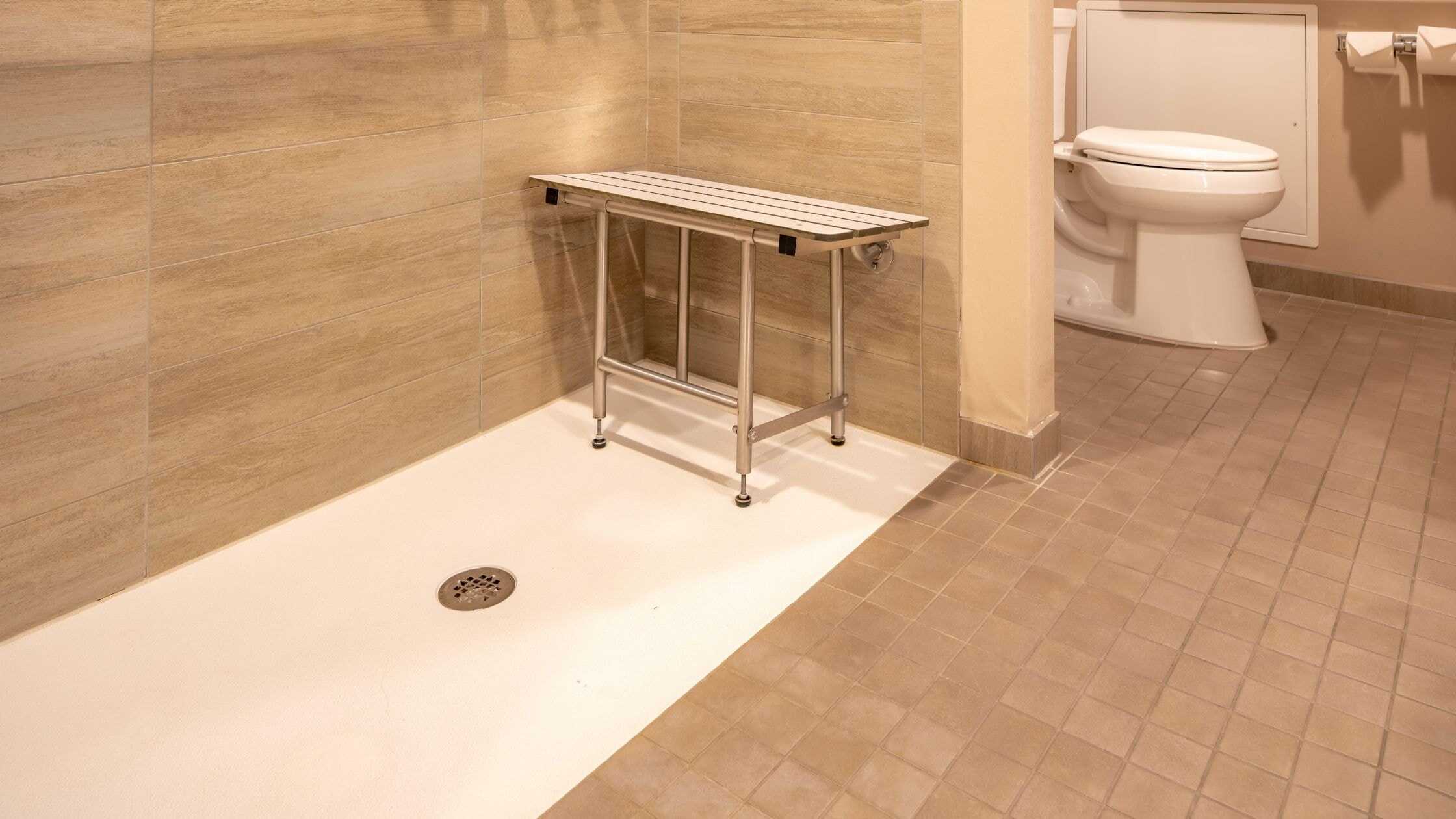
Barrier free shower designs eliminate the raised curbs and thresholds that define traditional shower enclosures. Zero-threshold entries create completely level transitions from bathroom floor to shower pan, allowing wheelchairs to roll directly into bathing areas without ramps or lifts. This seamless accessibility proves essential for wheelchair users and significantly reduces tripping hazards for everyone.
Low-threshold showers maintain minimal lips—typically 0.5 to 2 inches high—that contain water while remaining manageable for most walkers and individuals with balance concerns. These designs balance water containment with accessibility, working well in bathrooms where completely level entries might allow water escape into adjacent spaces.
Did you know? ADA guidelines recommend threshold heights no greater than 0.5 inches for roll-in showers, though residential installations may accommodate slightly higher thresholds based on individual needs and bathroom layouts.
The shower pan must extend adequately to accommodate wheelchairs or shower chairs. Standard accessible showers measure at least 36 x 36 inches, though 60 x 30 inches or larger provides more comfortable maneuvering space. The floor slopes gently toward the drain to prevent water pooling while maintaining stable surfaces for wheeled devices.
Built-In Seating Options
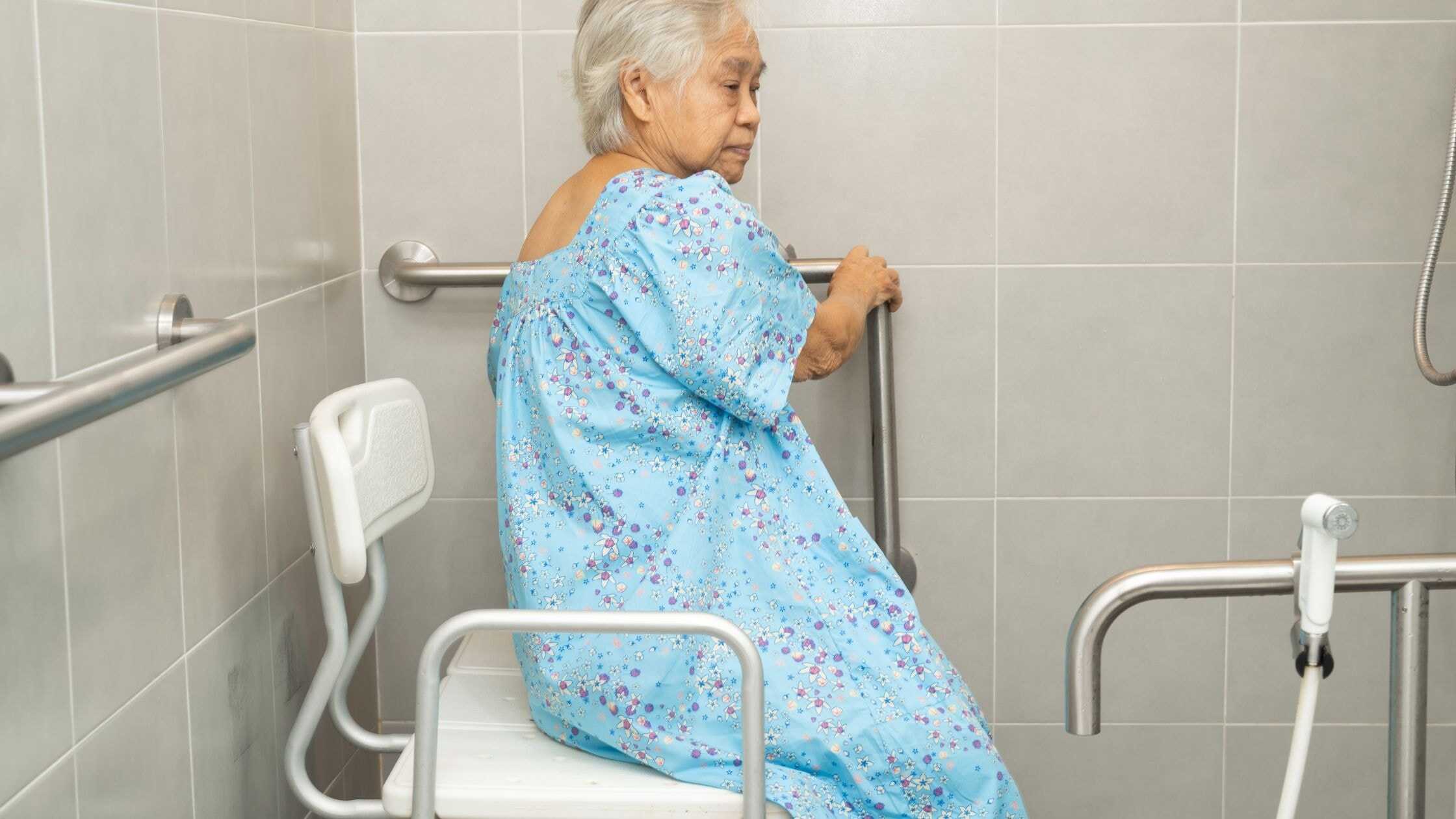
Permanent shower seating eliminates the instability of portable shower chairs while providing reliable support. Built-in benches integrate structurally during construction, supporting substantial weight without shifting or tipping. These seats prove essential for individuals who cannot safely stand throughout bathing, whether due to balance issues, stamina limitations, or wheelchair use.
Transfer benches that extend from outside the shower into the bathing area assist users who cannot step over thresholds. These L-shaped seats allow individuals to sit outside the shower, then slide across the bench surface into the wet area without bearing weight on potentially unstable legs. The design proves particularly valuable during recovery from hip or knee surgery.
Fold-down seats provide seating when needed while maximizing floor space when not in use. Wall-mounted designs swing down for bathing, then fold against walls to create open space for standing showers or wheelchair maneuvering. Quality hardware ensures secure locking in both positions, preventing unexpected collapse during use.
Quick tip: Position built-in shower seats at 17-19 inches high—matching standard toilet seat height—to create familiar seating that requires minimal adjustment for users and simplifies transfers between bathroom fixtures.
Which Safety Features Support Independent Bathing?
Strategic Grab Bar Placement
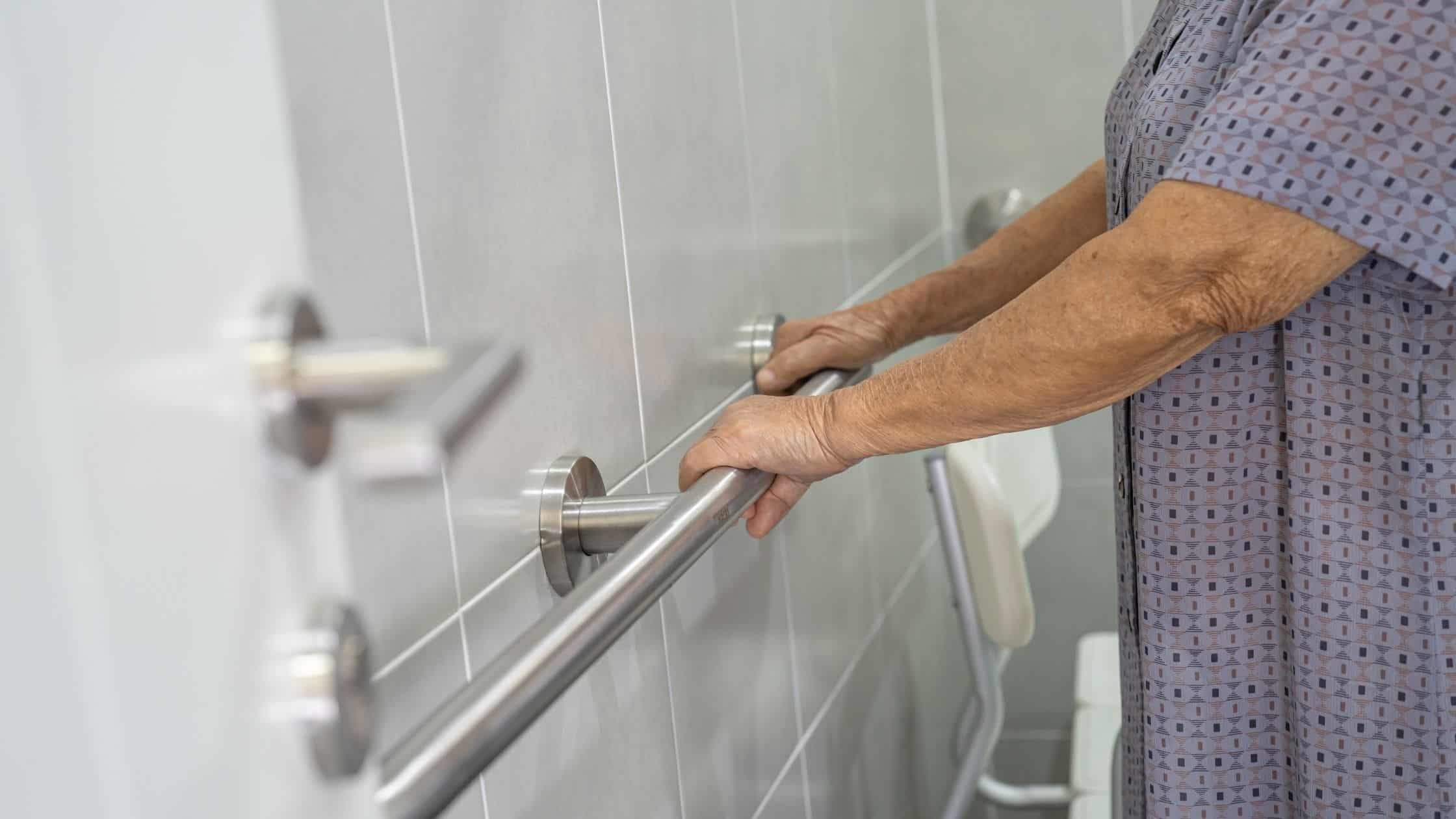
Grab bars provide critical support throughout accessible showers. Proper placement allows users to maintain balance during entry, adjust shower controls, move between standing and seated positions, and exit safely. The bars must mount into solid blocking capable of supporting at least 250 pounds of force, as specified by ADA standards.
Vertical grab bars near shower entries assist with stepping over low thresholds or transitioning from wheelchairs to built-in seating. Mount these bars 33-36 inches from the floor on walls immediately adjacent to the opening. Users grasp the bars while shifting weight, preventing falls during the most vulnerable moments.
Horizontal grab bars along shower walls offer continuous support while bathing. Install bars at 33-36 inches high on the longest wall, creating handholds that accommodate both standing and seated positions. Additional bars near controls allow safe reach for water temperature and pressure adjustments.
L-shaped grab bars in corners provide support in multiple directions, proving especially valuable near built-in seating. These configurations assist users during transitions between standing and sitting while offering support options that accommodate varying body mechanics and preferences.
How Does the Installation Process Work for Accessible Showers?
Planning and Preparation Steps
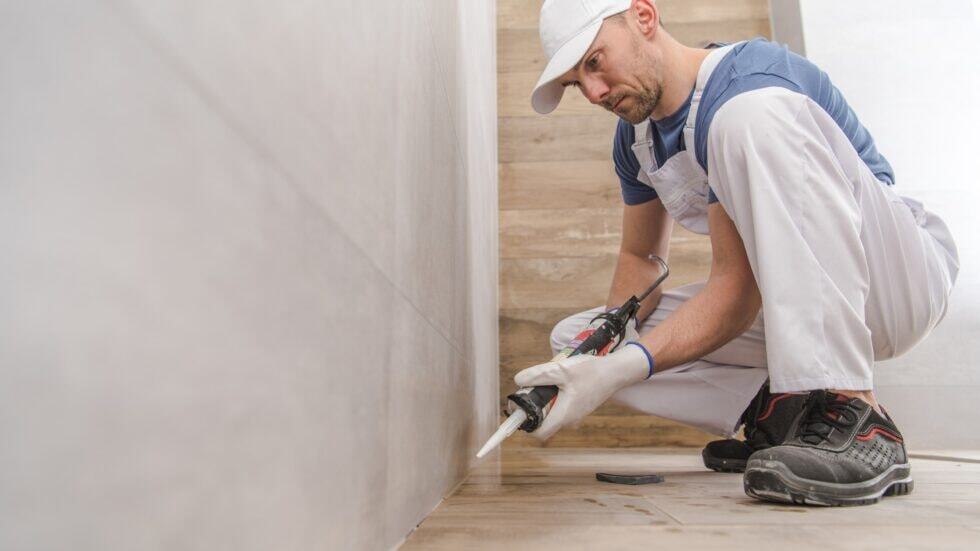
Successful accessible shower conversions begin with thorough planning that considers current and anticipated mobility needs. Contractors evaluate bathroom dimensions, plumbing configurations, and structural requirements to determine the optimal design. This assessment identifies necessary modifications before demolition begins.
The installation process follows these general steps:
- Remove existing bathtub and surrounding materials
- Inspect and repair any water damage or structural issues
- Install blocking between wall studs for future grab bar mounting
- Update plumbing to accommodate new shower configuration
- Apply waterproofing membranes across all wet surfaces
- Install shower pan with proper slope toward drain
- Add wall surrounds or tile that accommodate grab bar placement
- Mount grab bars, seating, and accessibility features
- Install shower fixtures and controls at accessible heights
- Complete finishing details and final waterproofing
Professional contractors coordinate these steps to minimize disruption while ensuring quality results. Many companies offer easy installation timelines that complete conversions within days rather than weeks, reducing inconvenience for households where the bathroom serves daily essential needs.
Plumbing and Drainage Considerations
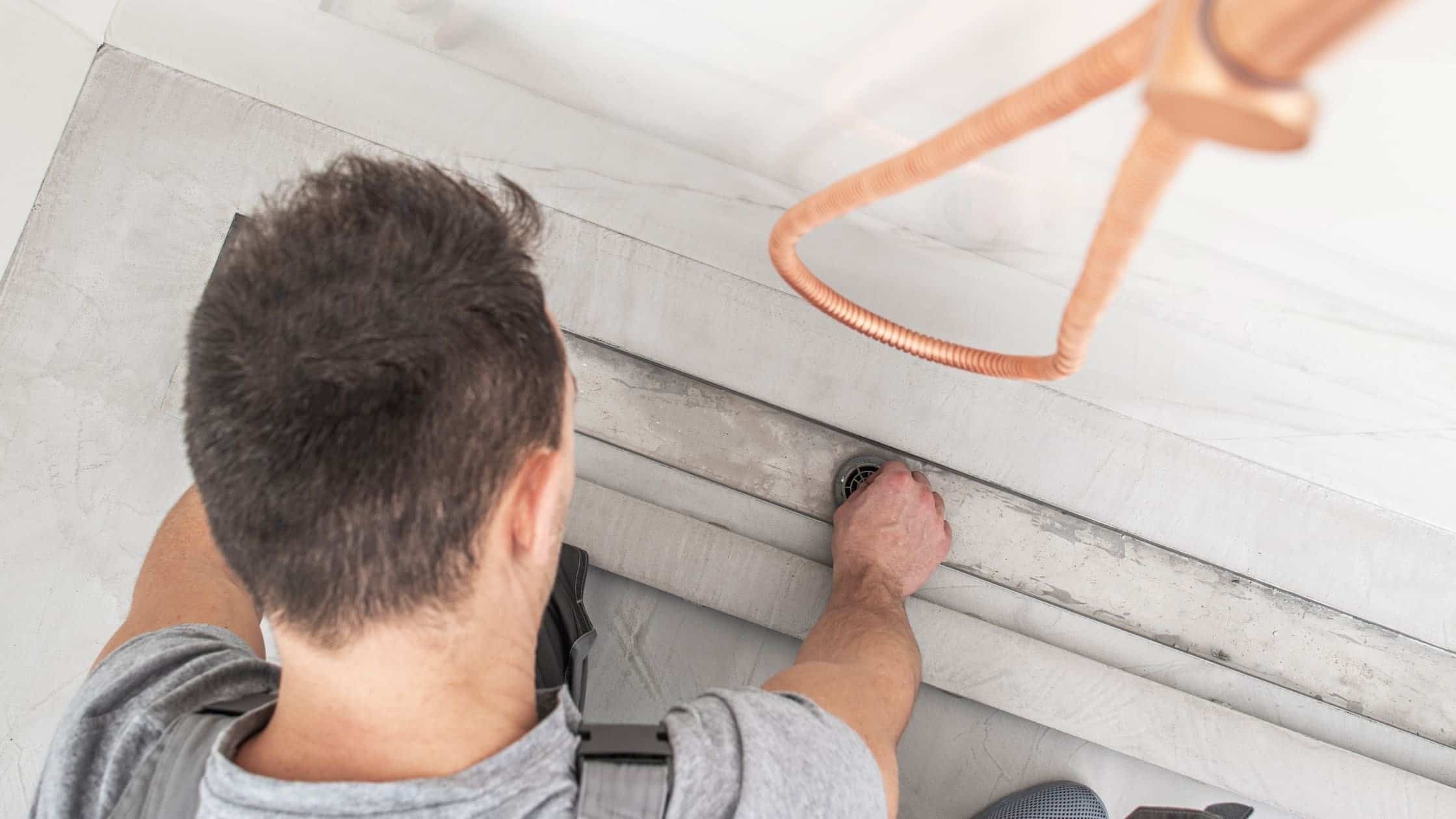
Accessible shower conversions often require plumbing adjustments to accommodate new drain locations and fixture configurations. The drain must position appropriately for the shower pan size and slope requirements. Linear drains along one edge work well in barrier-free designs, allowing consistent floor slope from the back wall to the drain opening.
Shower controls should mount at accessible heights—typically 38-48 inches above the floor—allowing reach from both standing and seated positions. Thermostatic or pressure-balancing valves prevent dangerous temperature fluctuations that might startle users and cause falls. Handheld shower heads on slide bars provide flexibility for users at varying heights and positions.
Water supply lines may require relocation to serve new fixture positions. Experienced contractors plan these modifications to minimize wall penetrations while ensuring adequate water pressure and flow. The plumbing system must accommodate accessibility features without compromising performance or creating future maintenance complications.
What Materials Work Best for Accessible Shower Conversions?
Slip-Resistant Flooring Options
Shower pan materials must provide secure footing on wet surfaces while remaining comfortable for bare feet. Textured fiberglass bases offer slip resistance through molded patterns that create traction without uncomfortable sharpness. These affordable solution options install quickly and maintain easily while providing adequate safety for most users.
Tile floors with textured surfaces or small mosaic formats deliver superior slip resistance while allowing custom sizing to fit exact bathroom dimensions. Select tiles rated for wet areas with Dynamic Coefficient of Friction (DCOF) values of 0.42 or higher. Smaller tiles create more grout lines that enhance traction, though they require more maintenance than larger formats.
Non-slip coatings applied to existing surfaces provide alternatives when replacing flooring proves impractical. These treatments improve traction on smooth surfaces, though they require periodic reapplication to maintain effectiveness. Professional-grade products are more durable than consumer options available at retail stores.
Durable Wall Surrounds
Accessible shower walls must withstand regular cleaning, resist moisture damage, and accommodate grab bar installation without structural compromise. Several material options balance these requirements with aesthetic preferences and budget considerations.
Solid surface wall panels provide seamless, non-porous surfaces that prevent mold growth and clean easily. These panels accommodate grab bar mounting when installed over proper blocking. The material resists staining and maintains appearance through years of use, though costs exceed some alternatives.
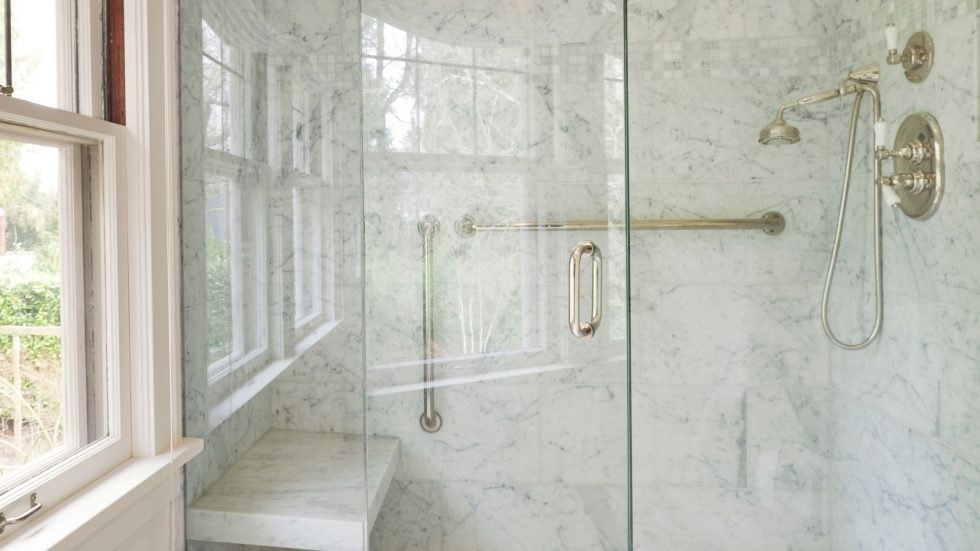
Tile walls offer extensive design flexibility and exceptional durability. Porcelain or ceramic tiles resist moisture indefinitely when installed over proper waterproofing membranes. The surface accommodates grab bars at any position and creates custom looks that match personal style preferences. Installation requires skilled labor and costs more than panel systems.
Fiberglass or acrylic surrounds deliver affordable, low-maintenance solutions that install quickly. These systems include integrated flanges and seams that reduce leak potential. Quality varies significantly between manufacturers, with premium options providing better durability and appearance than budget alternatives.
Why Choose Professional Installation for Accessible Conversions?
Expertise That Ensures Safety and Function
Professional contractors specializing in accessible shower conversions understand the specific requirements that separate truly functional spaces from installations that look accessible but fail to meet user needs. Proper grab bar blocking, correct shower pan slope, adequate floor reinforcement, and appropriate fixture placement all require experience and knowledge that prevent costly mistakes.
Licensed contractors carry insurance that protects homeowners from liability during installation and provides recourse if problems emerge. This protection proves particularly important in accessibility projects where safety failures might cause serious injuries. Working with established companies guarantees accountability that informal installers cannot match.
Building permits and inspections verify that conversions meet local codes and safety standards. Professional teams handle permit applications, coordinate required inspections, and address any issues inspectors identify. This oversight ensures installations function safely while preventing complications during future home sales.
Warranty Protection and Long-Term Support
Reputable contractors guarantee their work, providing warranties that cover both materials and labor. These guarantees offer peace of mind that problems receive prompt correction without additional cost. Warranty terms typically range from one year for labor to lifetime coverage for certain components, depending on the contractor and materials selected.
Established local companies remain available for future service needs, maintenance questions, or additional modifications as requirements change. This ongoing relationship proves valuable when mobility needs evolve or when expanding accessibility features becomes necessary. The team already understands the bathroom configuration and can implement changes efficiently.
How Do Accessible Showers Accommodate Different Mobility Levels?
Flexibility for Changing Needs
Well-designed accessible showers serve users across the mobility spectrum, from those with mild balance concerns to individuals requiring complete wheelchair access. This flexibility allows bathrooms to adapt as needs change without requiring repeated renovations. Features that assist wheelchair users today may support walker users tomorrow or simply provide safer bathing for loved ones.
Curbless entries eliminate barriers regardless of mobility device. Someone using a cane navigates the same entrance as a wheelchair user, creating universal accessibility that serves everyone. This design prevents the segregation that occurs when “accessible” bathrooms feel institutional rather than integrated with overall home design.
Adjustable features enhance long-term functionality. Slide bar-mounted shower heads accommodate users at different heights. Multiple grab bar positions provide support options for various movements. Variable-height seating serves different users comfortably. These adaptable elements extend the bathroom’s useful life across changing circumstances.
What Are the Benefits Beyond Accessibility?
Accessible shower conversions deliver advantages that extend well beyond mobility support. These bathrooms serve all household members more comfortably while increasing home value and marketability. The modifications create spaces that families appreciate regardless of current physical abilities.
Easier cleaning represents a practical benefit of accessible designs. Curbless showers eliminate the awkward bending and reaching required to clean traditional tub surrounds. Smooth wall surfaces resist soap scum buildup better than grout-heavy tile installations. The simplified maintenance saves time and effort while keeping bathrooms cleaner.
Enhanced safety protects everyone, not just those with diagnosed mobility issues. Grab bars assist parents bathing young children, athletes recovering from sports injuries, or anyone experiencing temporary balance problems from illness or medication. The features prove useful far more often than many homeowners initially anticipate.
Improved aesthetics often result from accessible conversions when designed thoughtfully. Modern barrier-free showers create stylish spa-like appearances that surpass traditional bathtub-shower combinations. Open sight lines make bathrooms feel larger. Contemporary fixtures and finishes elevate overall design. The space becomes more enjoyable for daily use while supporting accessibility needs.
Frequently Asked Questions About Accessible Shower Conversions
What is the difference between accessible and ADA-compliant showers?
Accessible showers incorporate features that support users with mobility limitations, including low thresholds, grab bars, and seating. ADA-compliant showers meet specific dimensional and technical requirements established for public accommodations, including exact measurements for clear floor space, grab bar positioning, and controls placement. Residential accessible showers benefit from ADA guidelines but can adapt requirements to fit individual needs and space constraints without strict compliance obligations.
Can accessible shower conversions fit in small bathrooms?
Accessible features can be incorporated into compact bathrooms, though some spatial compromises may be necessary. Minimum functional accessible showers measure 36 x 36 inches, fitting spaces where standard tubs once stood. Corner entry configurations maximize usable space. Fold-down seats and strategically placed grab bars provide safety features without permanently consuming floor area. Professional design helps optimize available space for maximum accessibility.
How long does accessible shower installation take?
Professional accessible tub-to-shower conversions typically require 2-5 days depending on project complexity, existing condition of the space, and extent of modifications required. Simple tub-to-shower conversions with prefabricated components install faster than custom tile work requiring extended drying and curing time. Necessary repairs to water-damaged subfloors or walls extend timelines. Experienced contractors provide realistic schedules based on specific project requirements.
Will an accessible shower affect my home’s resale value?
Accessible showers typically maintain or increase home value by expanding the potential buyer pool to include aging populations and families with members who have disabilities. Studies show growing demand for age-friendly features as Baby Boomers seek homes supporting independent living. Quality installations with contemporary design appeal to buyers regardless of immediate accessibility needs, while lower-quality institutional-looking conversions may negatively impact value.
What safety features are most important in accessible showers?
Grab bars, slip-resistant flooring, and built-in seating rank as the most critical safety features for accessible showers. Grab bars provide support during entry, exit, and movement within the shower. Slip-resistant surfaces prevent falls on wet floors. Seating allows safe bathing for those unable to stand throughout the process. Additional important features include temperature-regulating valves, adequate lighting, and handheld shower heads that accommodate seated bathing.
Can I add accessible features to my existing shower?
Adding accessible features to existing showers remains possible if the shower provides adequate space and proper structural support exists behind walls for grab bar mounting. Portable shower seats can replace built-in options in many cases. Slip-resistant treatments improve floor traction. However, threshold modifications and comprehensive accessibility upgrades often require complete shower replacement to ensure proper waterproofing and structural integrity. Professional assessment determines whether enhancement or replacement provides the better solution.
How do I choose between a bathtub and accessible shower?
The decision between bathtubs and walk-in showers depends on household composition, mobility needs, and future plans. Homes with young children benefit from at least one bathtub for bathing. Households with aging residents or mobility concerns prioritize accessible showers. Many families maintain one bathtub in a secondary bathroom while converting the primary bath to an accessible shower, providing flexibility that serves diverse needs across various life stages.
Creating Independence Through Thoughtful Design
Accessible shower conversions represent investments in long-term independence, safety, and quality of life. These modifications allow individuals to age in place comfortably, maintaining dignity and autonomy in familiar surroundings. The conversion process transforms barriers into accessible spaces that serve users across ability levels while creating bathrooms the entire family enjoys.
Butler and Pittsburgh-area homeowners planning for future needs benefit from professional accessible shower design that balances safety requirements with aesthetic preferences. Quality installations deliver decades of reliable performance, supporting changing mobility needs without requiring repeated modifications. The bathroom becomes a space of confidence rather than concern, enabling safe daily routines that maintain well-being and independence.
Thoughtful accessible design proves that safety and style coexist beautifully. Modern barrier-free showers rival luxury spa installations in appearance while providing essential functionality for users with limited mobility. This combination creates spaces that enhance home value, improve daily comfort, and prepare households for whatever changes the future brings.