
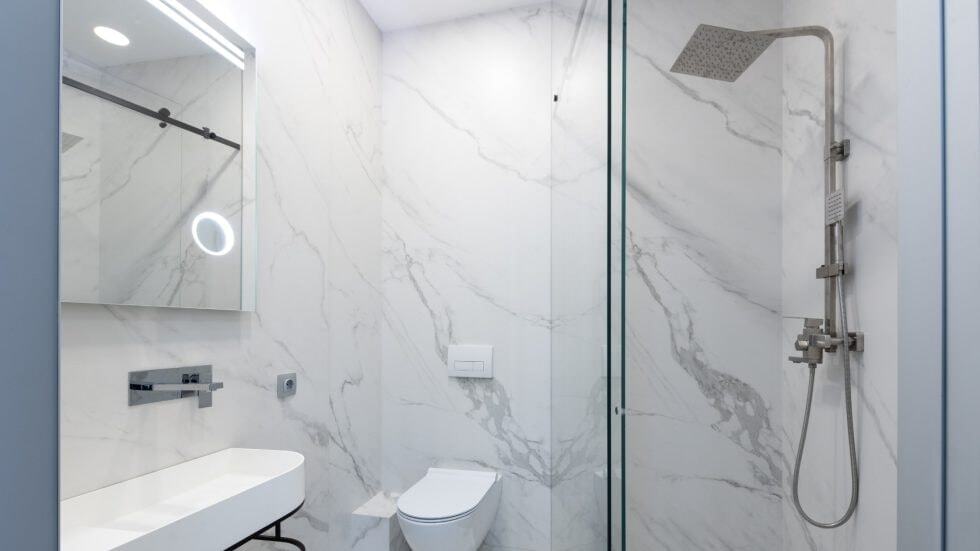
A small bathroom shower conversion is one of the most effective ways to reclaim space, improve function, and give a cramped bathroom a fresh, modern feel. Replacing an existing tub with a well-designed walk in shower opens up the floor plan, reduces visual clutter, and makes everyday use more comfortable. For homeowners in Butler, PA and the greater Pittsburgh area, this type of shower remodel delivers real results without requiring a full gut renovation.
Most homeowners hold onto their bathtub longer than they need to. When a tub sits unused for months at a time, it simply takes up space that could serve the room much better as a sleek, functional shower. The footprint of a standard bathtub is significant, and in a bathroom where every square foot matters, replacing it creates immediate breathing room.
Beyond space, the style upgrade is hard to ignore. Modern shower conversions with glass doors, large-format tile, and clean wall systems transform a tired bathroom into a space that feels new. Whether the goal is accessibility, aesthetics, or simply a more practical daily routine, a tub to shower conversion addresses all of it in one project.
What Makes a Small Bathroom Shower Conversion Worth It?
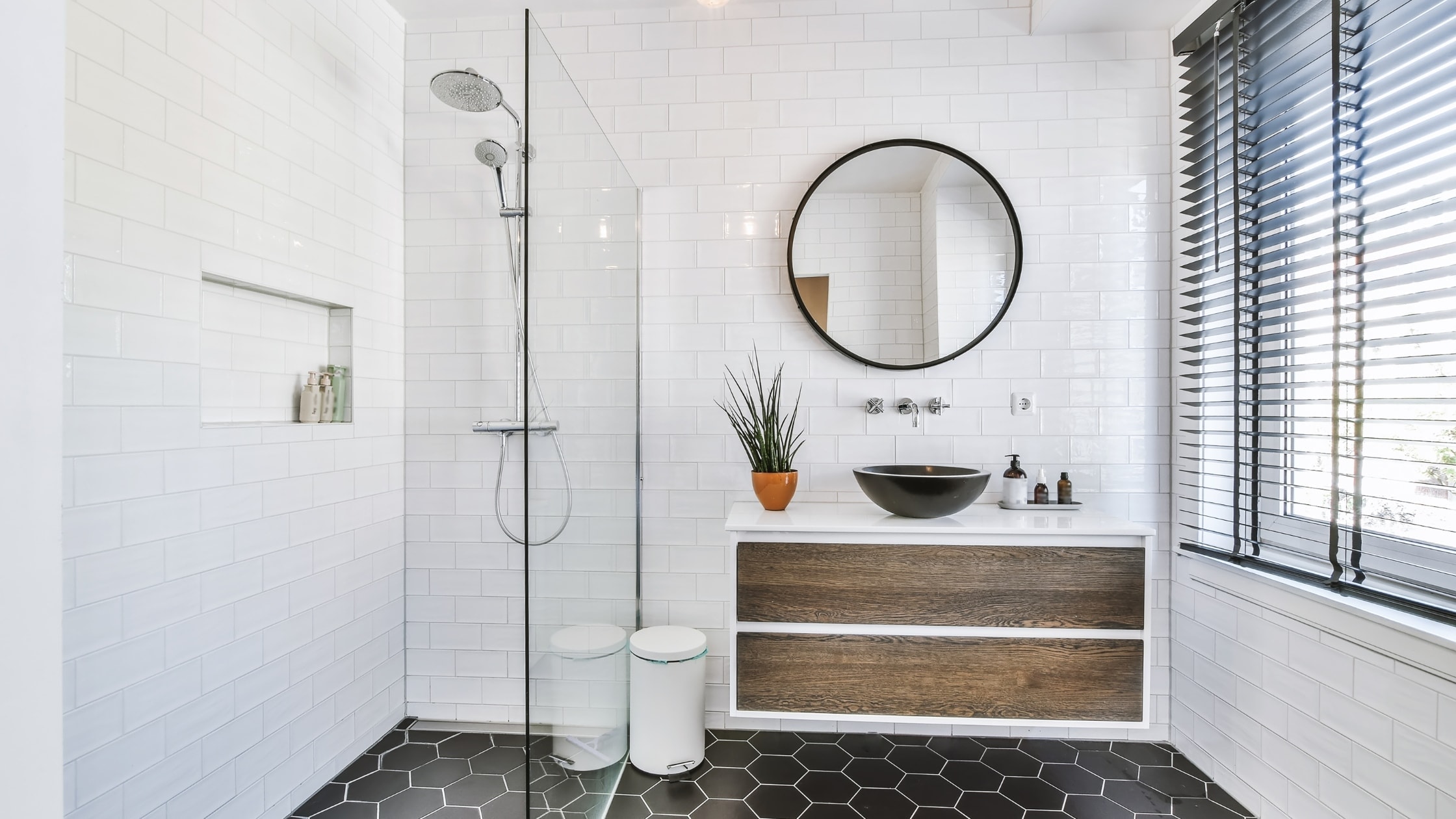
The value of a small bathroom shower conversion goes beyond how the room looks. Removing the tub and replacing it with a shower frees up floor space that makes the bathroom easier to move through, easier to clean, and easier to style. Small bathrooms that once felt like a squeeze can feel genuinely functional after a well-planned conversion.
There are practical maintenance benefits too. Bathtubs collect soap scum, develop grout issues along the tub wall, and create corners where mold growth takes hold. A new shower with sealed tile walls and a properly sloped floor minimizes those problems. According to the Environmental Protection Agency, controlling moisture is the most important step in preventing mold, and a well-installed shower with proper drainage and ventilation does exactly that.
Did you know? Tub surrounds with worn caulk or cracked grout are one of the leading sources of hidden water damage behind bathroom walls. Replacing the existing tub with a new shower and fresh wall systems eliminates that risk entirely.
How Does a Tub to Shower Conversion Work in a Small Space?
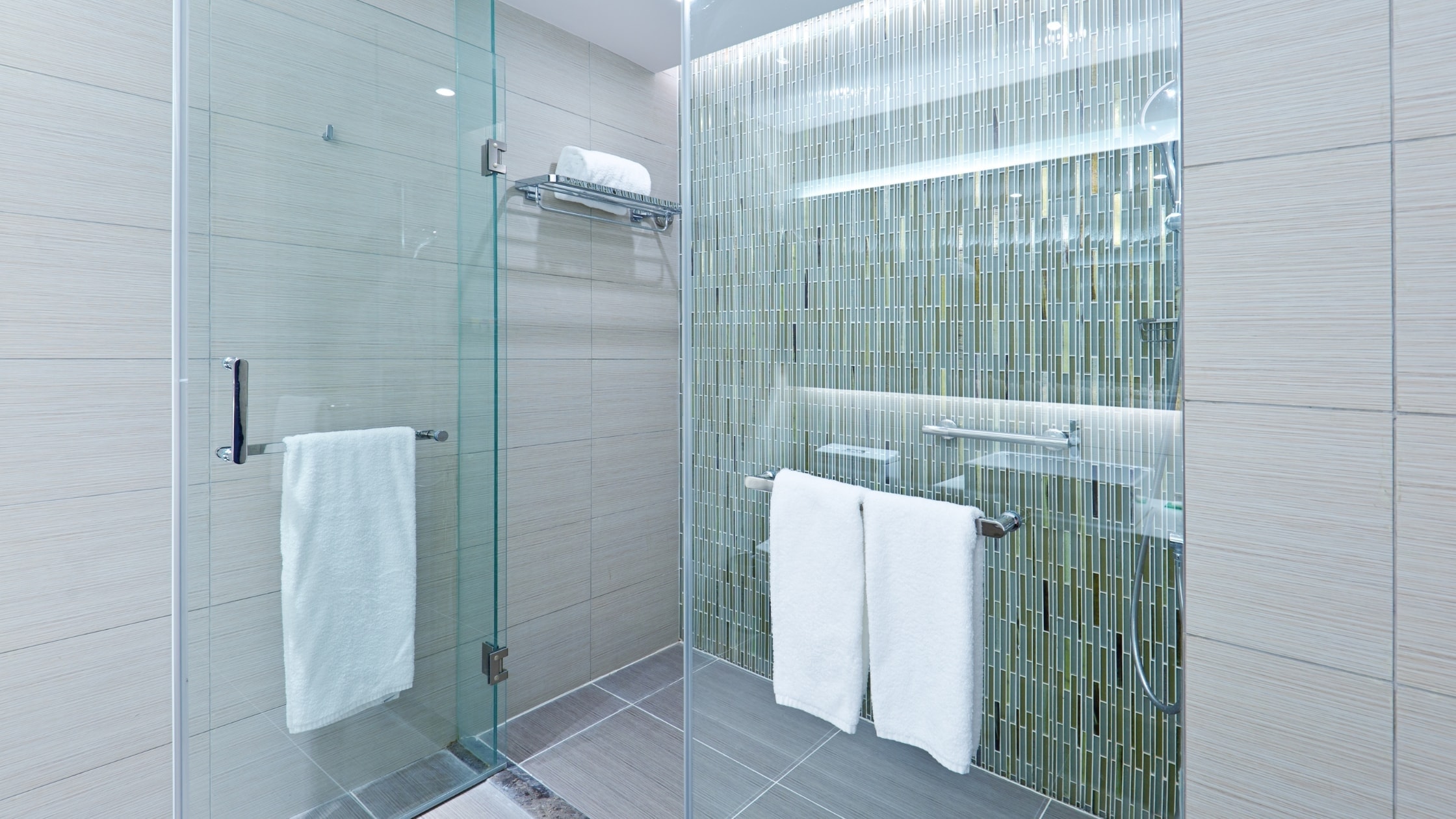
A tub to shower conversion in a small bathroom follows the same core process as any bathroom remodeling project, but with closer attention to space planning. The existing tub gets removed, plumbing gets adjusted to accommodate the new shower drain and fixtures, and the walls and floor get prepared for tile or wall panels. From there, the new shower takes shape around the footprint the tub left behind.
Working within the existing tub footprint keeps plumbing costs reasonable because the drain location stays close to its original position. In most cases, this approach limits labor costs and avoids the need to open up walls for major plumbing reroutes. For a thorough breakdown of what each phase involves, the tub-to-shower conversion process guide covers the full timeline from planning to completion.
What Layout Changes Make the Biggest Difference?
Layout decisions shape everything in a small bathroom. A few smart choices create a spacious feel even in the tightest rooms:
- Curbless or low-threshold shower entry eliminates the visual break between the shower floor and the bathroom floor, making the room feel larger
- Frameless glass doors or a fully open walk-in design removes wall mass and lets the eye travel through the space
- Corner placement for the shower preserves the vanity wall and keeps the room functional without crowding
- Recessed corner shelves replace bulky shower caddies, keeping shampoo bottles and toiletries organized without taking up room
- Large format tiles on the floor and walls reduce the number of grout lines, which creates a cleaner, more open look
Which Walk-In Shower Styles Work Best for Small Bathrooms?
Not every walk in shower style works equally well in a small bathroom. The right choice depends on the room’s dimensions, the placement of existing plumbing, and how the bathroom needs to function. Three styles consistently perform well in tighter spaces.
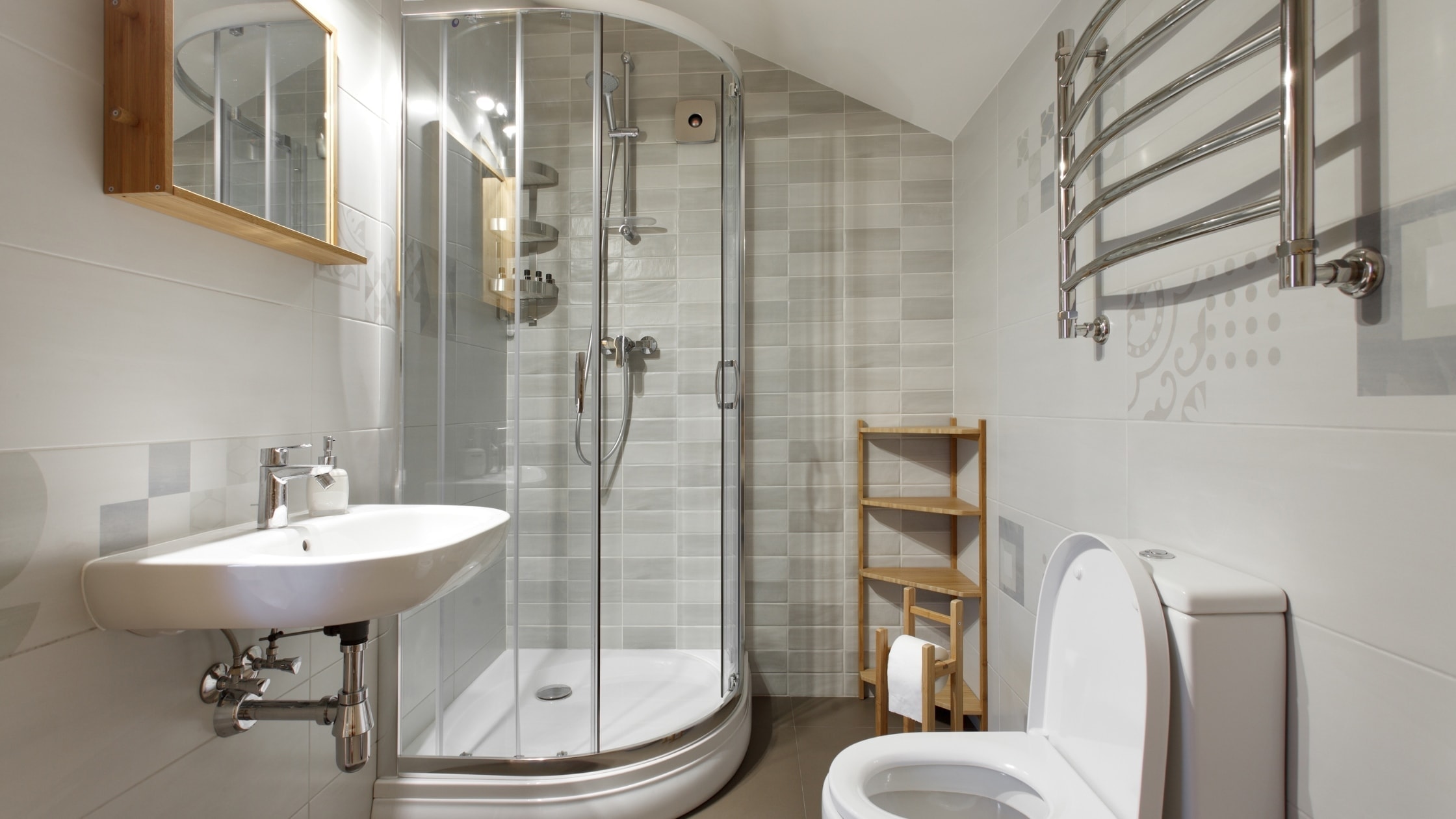
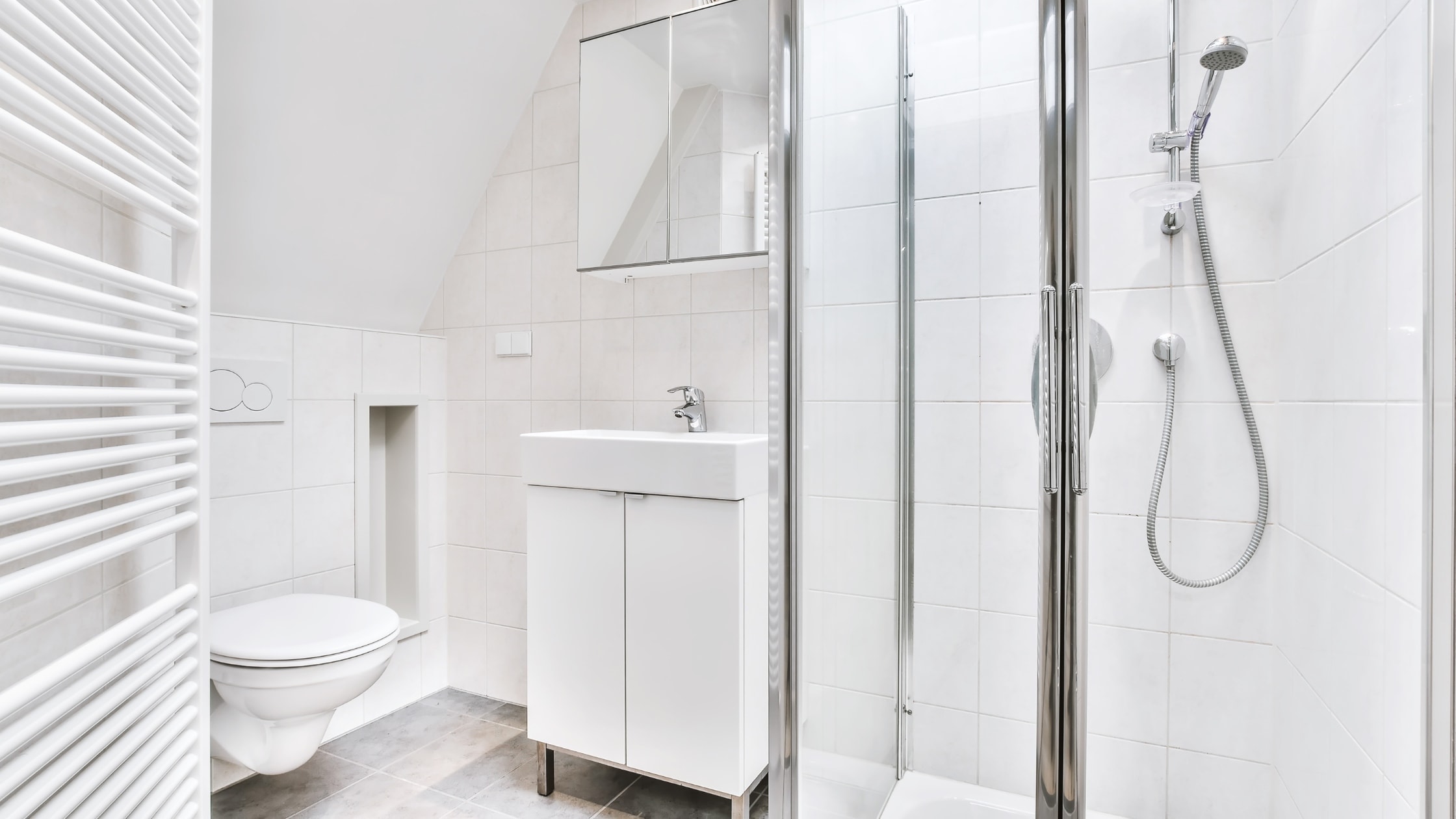
Corner showers make the most of dead space by fitting into the corner of the room and leaving the center floor open. Alcove showers use three existing walls and need only one glass door or panel, which minimizes the footprint while maximizing the interior shower space. Walk-in showers with a partial wall or no enclosure at all work in slightly larger small bathrooms where a wet zone can be contained without a full glass enclosure.
Quick tip: Frameless glass doors reflect light and create the illusion of more space. In a small bathroom, choosing frameless over framed is one of the simplest decisions that has the biggest visual impact.
What Is the Best Shower Remodel Approach for a Tight Budget?
A shower remodel in a small bathroom does not require luxury materials to look great. The best approach balances cost with durability and visual appeal. Acrylic and solid surface wall panels cost less than natural stone tile but install faster and resist mold growth better than traditional grout-heavy systems. For homeowners who want a clean, modern look without a high price point, these materials deliver strong results.
That said, tile remains one of the most versatile and durable options. Porcelain tile works well in small bathrooms because it handles moisture, cleans easily, and comes in a wide range of styles that suit any aesthetic. Pairing porcelain tile walls with a simple shower niche and frameless glass doors creates a polished result without requiring premium materials throughout.
For a full comparison of conversion options and what each involves, the complete tub-to-shower conversion guide walks through everything from material selection to installation.
Can Natural Stone Work in a Small Bathroom Shower Conversion?
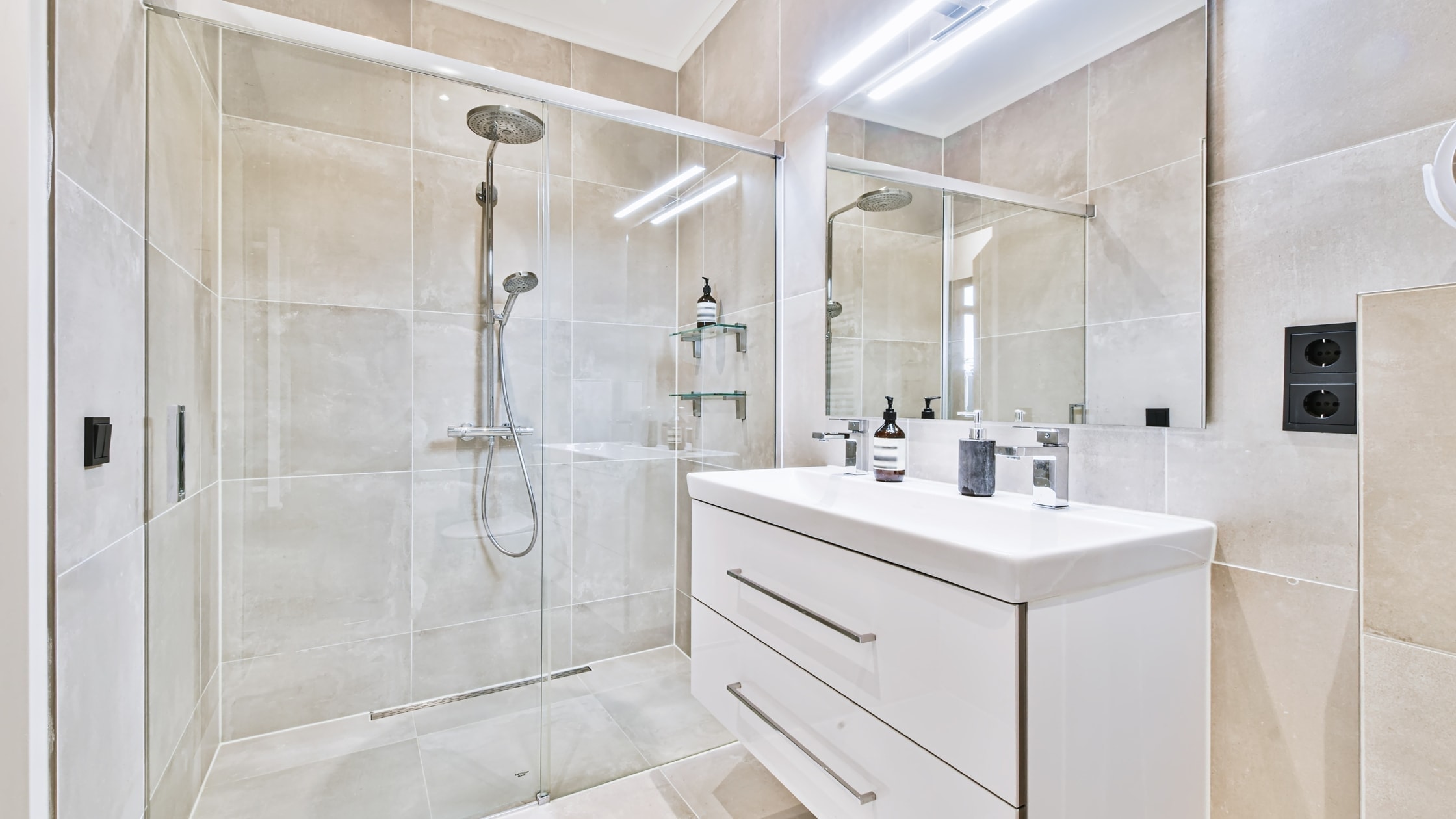
Natural stone is a popular choice for homeowners who want a high-end, spa-like finish in their new shower. Marble, travertine, and slate all bring texture, depth, and a sense of luxury to a bathroom remodel. In small bathrooms, lighter stone tones work especially well because they reflect light and keep the room from feeling heavy or dark.
The trade-off with natural stone is maintenance. Stone requires sealing to prevent water absorption and staining, and the grout lines still need regular cleaning to prevent mold growth. According to the Natural Stone Institute of America, natural stone should be sealed at installation and resealed periodically depending on use and the specific stone type. For homeowners who prefer the look of stone without the upkeep, large-format porcelain tiles that mimic marble deliver a similar aesthetic with less maintenance.
Quick tip: In a small bathroom, running the same tile from the shower walls onto the adjacent bathroom wall creates a cohesive look that makes the whole room feel intentional and larger than it actually is.
How Do You Plan a New Bathroom Layout Around a Shower Conversion?
Planning a new bathroom layout starts with the shower conversion itself. Once the tub is out, the freed-up floor space opens options for repositioning the vanity, adding storage, or improving traffic flow. A few planning steps make the process smoother:
- Measure the existing tub footprint and identify where the drain and supply lines are located
- Decide whether to stay within the existing footprint or expand the shower into adjacent space
- Choose the shower entry style (frameless glass, hinged door, walk-in open) based on traffic flow
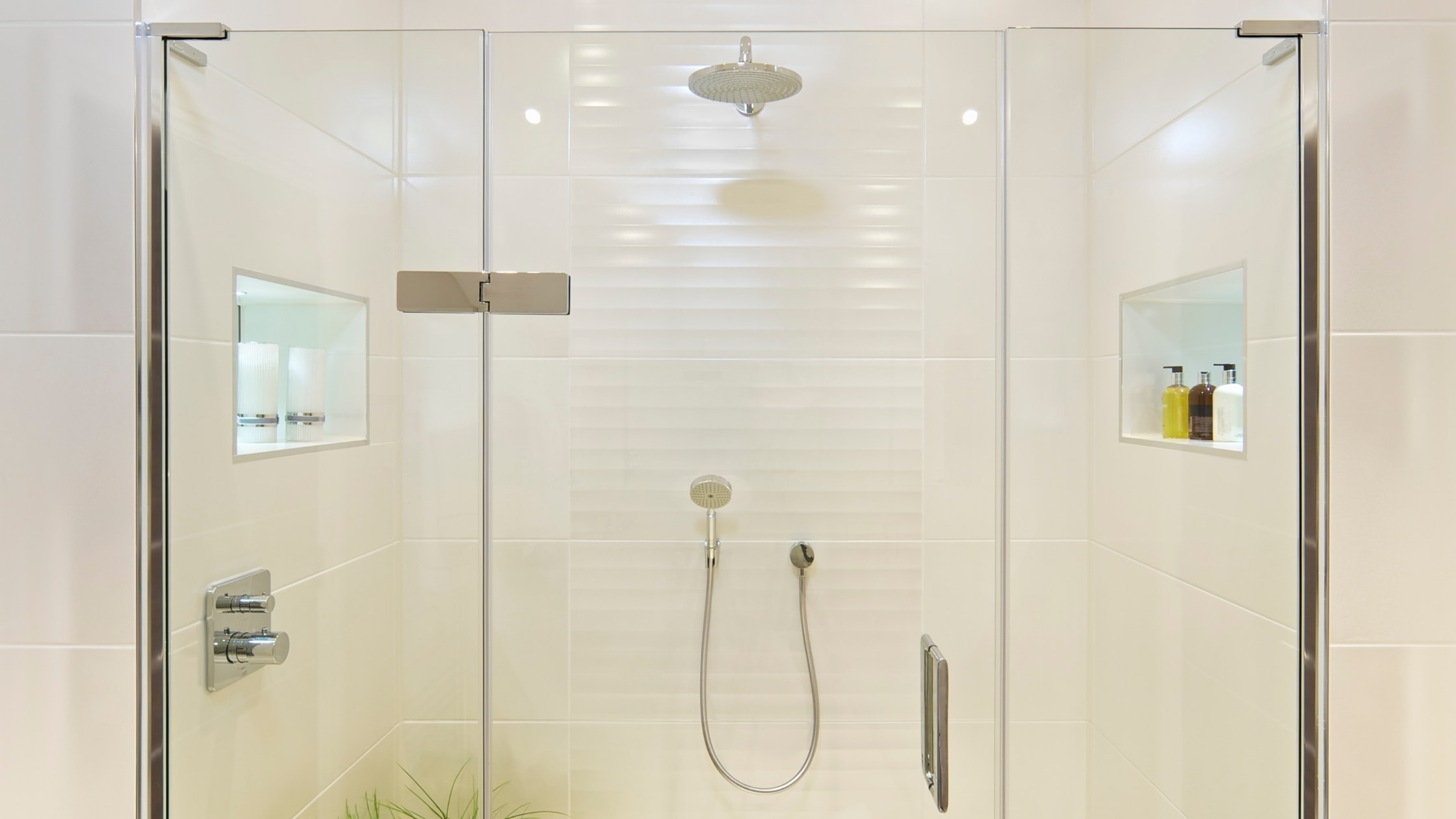
- Plan built-in storage like corner shelves or a recessed niche before tile work begins
- Select wall and floor materials that work together visually and function well in a wet environment
- Confirm grab bars placement if safety or accessibility is a consideration
Homeowners comparing a full conversion against keeping the existing tub can also review the bathtub vs. walk-in shower comparison to work through which option fits their household best before committing to a plan.
What Should You Know Before Your Next Remodel?
Going into a next remodel with realistic expectations makes the process easier for everyone. A few things to keep in mind before the job starts:
Plumbing access matters. If the existing tub drain sits in a concrete slab rather than a wood subfloor, moving it adds time and cost to the project. Most homes in the Pittsburgh area have accessible subfloor plumbing, but it is worth confirming before finalizing the design.
The second bathroom question comes up often. In homes with two bathrooms, converting one to a walk-in shower while keeping at least one tub in the second bathroom preserves flexibility for resale and for households with children. In a one-bathroom home, the decision requires more careful thought.
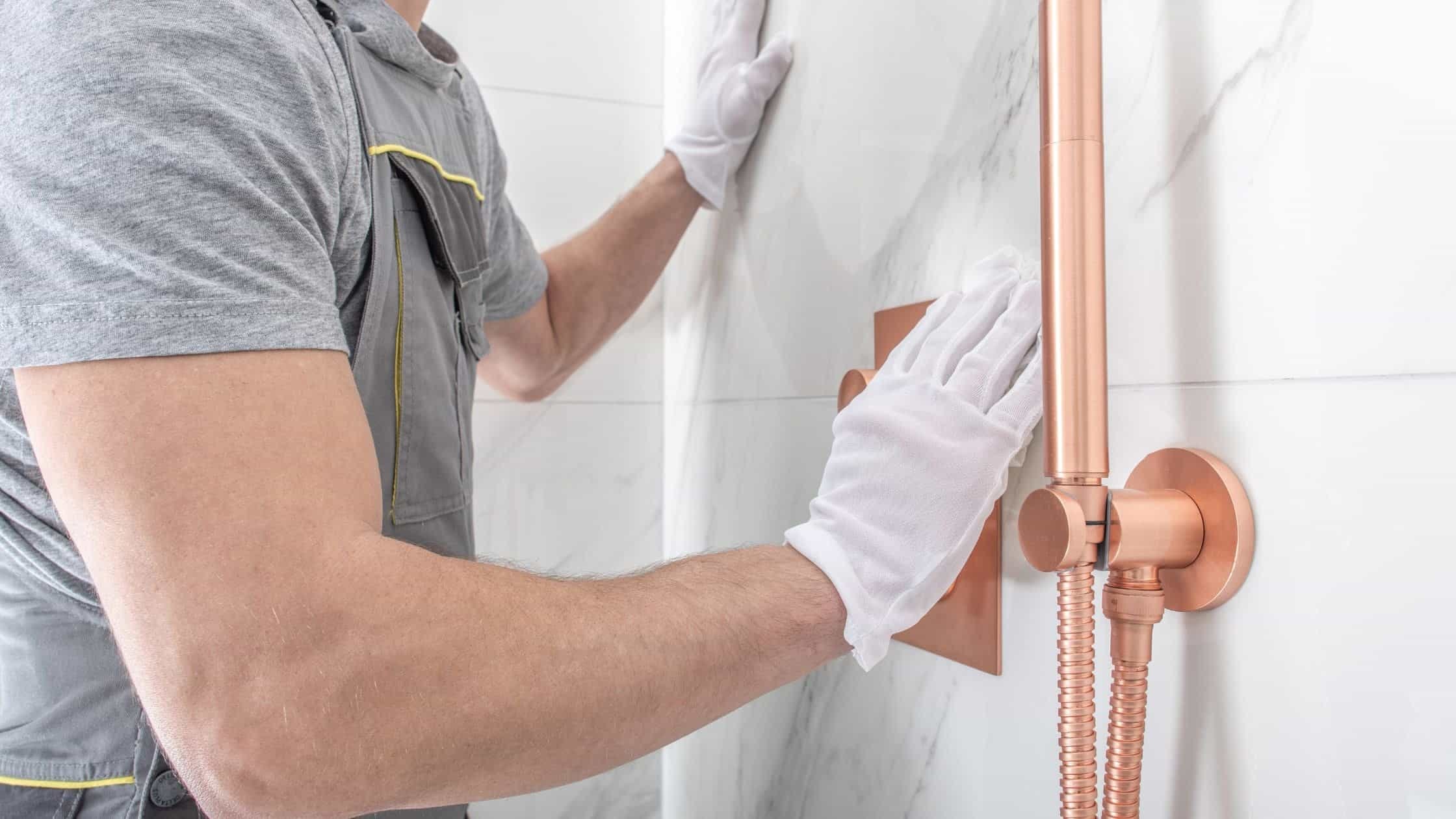
Dust and disruption are real. A shower conversion takes most bathrooms out of service for one to three days. Planning around that reality, especially in a one-bathroom house, keeps the project from creating unnecessary stress.
Frequently Asked Questions About Small Bathroom Shower Conversions
How much space does a shower conversion free up in a small bathroom?
A standard bathtub occupies roughly 13 to 15 square feet of floor space. Converting to a walk-in shower can reduce that footprint to as little as 9 square feet depending on the design, which creates meaningful room in a small bathroom. That recovered space can go toward a larger vanity, better storage, or simply a more open feel.
Can I keep my existing plumbing during a tub to shower conversion?
In most cases, yes. Converting within the existing tub footprint typically allows the shower drain to connect near the original drain location, which limits how much plumbing work is required. Major moves, like relocating the shower to a different wall, do require additional plumbing work and increase labor costs.
What is the most low-maintenance wall option for a new shower?
Large-format porcelain tile and solid surface wall panels both rank among the easiest options to maintain. Fewer grout lines mean fewer places for mold and soap scum to accumulate. Solid surface panels have no grout at all, which makes them the lowest-maintenance wall system available for a shower remodel.
Do I need grab bars in my new shower?
Grab bars are not always required but they add meaningful safety to any shower, regardless of the homeowner’s age or mobility. They are especially valuable in curbless shower designs where there is no curb to brace against when entering or exiting. Planning grab bar placement before tile work begins ensures proper blocking gets installed in the wall.
How long does a small bathroom shower conversion take?
Most small bathroom tub to shower conversions take between one and three days for the physical installation. Tile work may extend the timeline if the grout needs to cure before the shower becomes bathroom ready. Complex jobs involving plumbing reroutes or structural changes take longer, and the contractor should provide a clear timeline before work begins.
Is a shower conversion a good idea if I plan to sell my home?
A shower conversion in a second bathroom or in a home with multiple bathrooms generally appeals to buyers and can improve resale value. In a one-bathroom home, removing the only tub can limit buyer interest from families with small children. Talking through the resale implications with a local real estate professional before starting the project is a smart step.
Ready to Transform Your Small Bathroom?
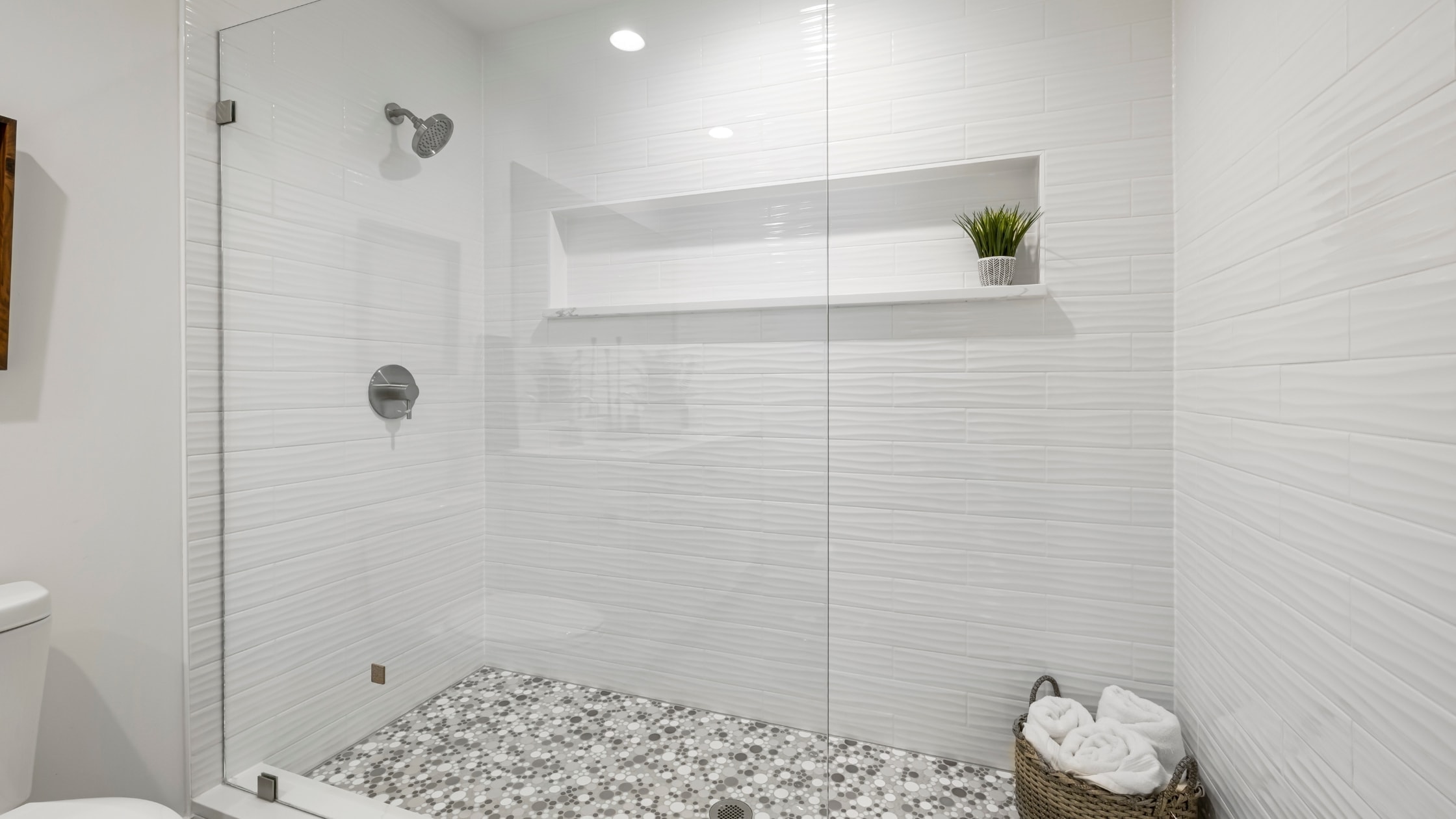
A small bathroom shower conversion is one of the most rewarding bathroom remodeling projects a homeowner can take on. The results are immediate, the daily use improvement is real, and the right design turns a space that once felt limiting into one that feels intentional and polished.
My Bath LLC serves homeowners throughout Butler, PA and the greater Pittsburgh area with tub-to-shower conversions built to last. From initial planning through the final installation, the team brings expertise and care to every project, no matter the size. Contact My Bath LLC today to get started on a bathroom that works better for the life you actually live.