
Tub to shower conversion mistakes can transform an anticipated bathroom upgrade into an expensive disaster requiring complete reinstallation. Common errors include inadequate waterproofing, improper drainage slope, skipping structural assessments, and using cheap materials that fail prematurely. Understanding these pitfalls before starting a conversion project protects homeowners from costly repairs and ensures the new shower functions properly for decades.
Tub-to-shower conversions rank among the most popular bathroom renovations, offering improved accessibility, modern aesthetics, and easier cleaning compared to traditional bathtubs. The process appears straightforward—remove the old tub, install a shower base, add walls, and connect plumbing. This apparent simplicity leads many homeowners to underestimate the complexity involved or attempt DIY installations beyond their skill level.
Professional contractors encounter the aftermath of botched conversions regularly. Water damage behind shower walls, cracked shower pans from improper support, mold growth from inadequate ventilation, and dangerous layouts lacking safety features represent just some of the issues resulting from cutting corners or hiring inexperienced installers. These mistakes often remain hidden until significant damage occurs, turning what seemed like cost savings into expensive emergency repairs.
Pittsburgh-area homeowners benefit from understanding common conversion pitfalls before beginning projects. This knowledge helps evaluate contractor proposals, recognize when plans contain problems, and make informed decisions about materials and methods. Even homeowners hiring professionals should understand what constitutes proper installation versus shortcuts that create future headaches.
Mistake 1: Inadequate Waterproofing Creates Hidden Damage
Why Waterproofing Matters More Than Aesthetics
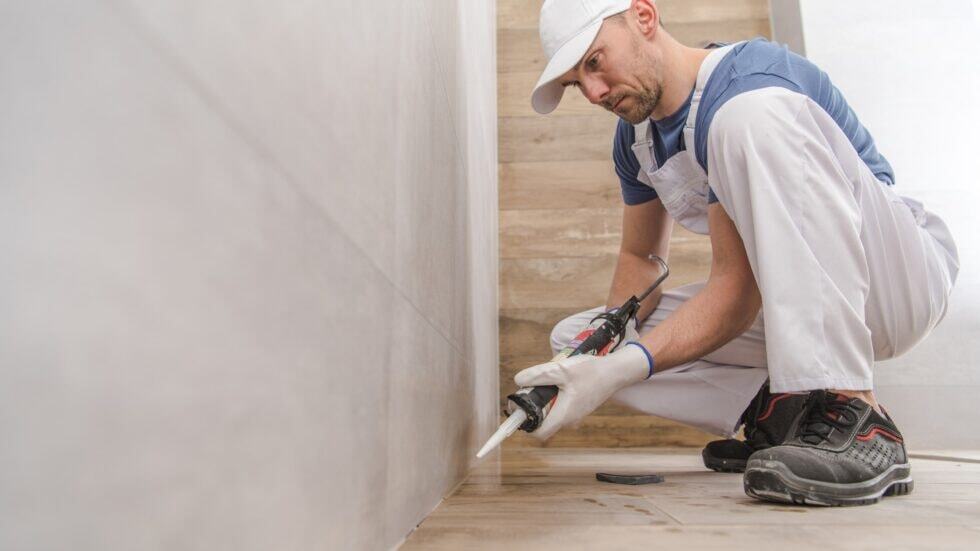
Poor waterproofing represents the most expensive tub to shower conversion mistake homeowners make. Waterproofing creates the invisible barrier between wet shower areas and the structural components of the house. When installers skip proper waterproofing membranes or apply them incorrectly, water migrates through walls and floors, creating a breeding ground for mold and rotting structural lumber.
The Tile Council of North America establishes waterproofing standards for shower installations, requiring continuous waterproof membranes across all wet surfaces. These membranes must extend from the shower floor up walls to at least 6 inches above the highest showerhead position. Corners, seams, and penetrations require special attention where water most easily finds pathways through inadequate barriers.
Did you know? Water damage from failed waterproofing often remains invisible for months or years until flooring below the bathroom becomes spongy, ceilings develop stains, or mold odors become noticeable throughout the house.
Common Waterproofing Failures
Installers create waterproofing failures through several common errors. Relying solely on tile and grout without underlying membranes allows water penetration since grout remains porous despite sealant applications. Using drywall instead of water resistant cement board provides no moisture protection. Failing to properly overlap membrane seams or seal around drain connections creates entry points for water migration.
Some contractors apply waterproofing membranes only to shower floors, assuming tile and grout will protect walls adequately. This approach guarantees eventual water damage as moisture penetrates wall surfaces and accumulates within wall cavities. The resulting mold growth and structural damage typically costs far more to remediate than proper waterproofing would have cost initially.
Mistake 2: Improper Shower Floor Slope Causes Standing Water
Understanding Proper Drainage Requirements
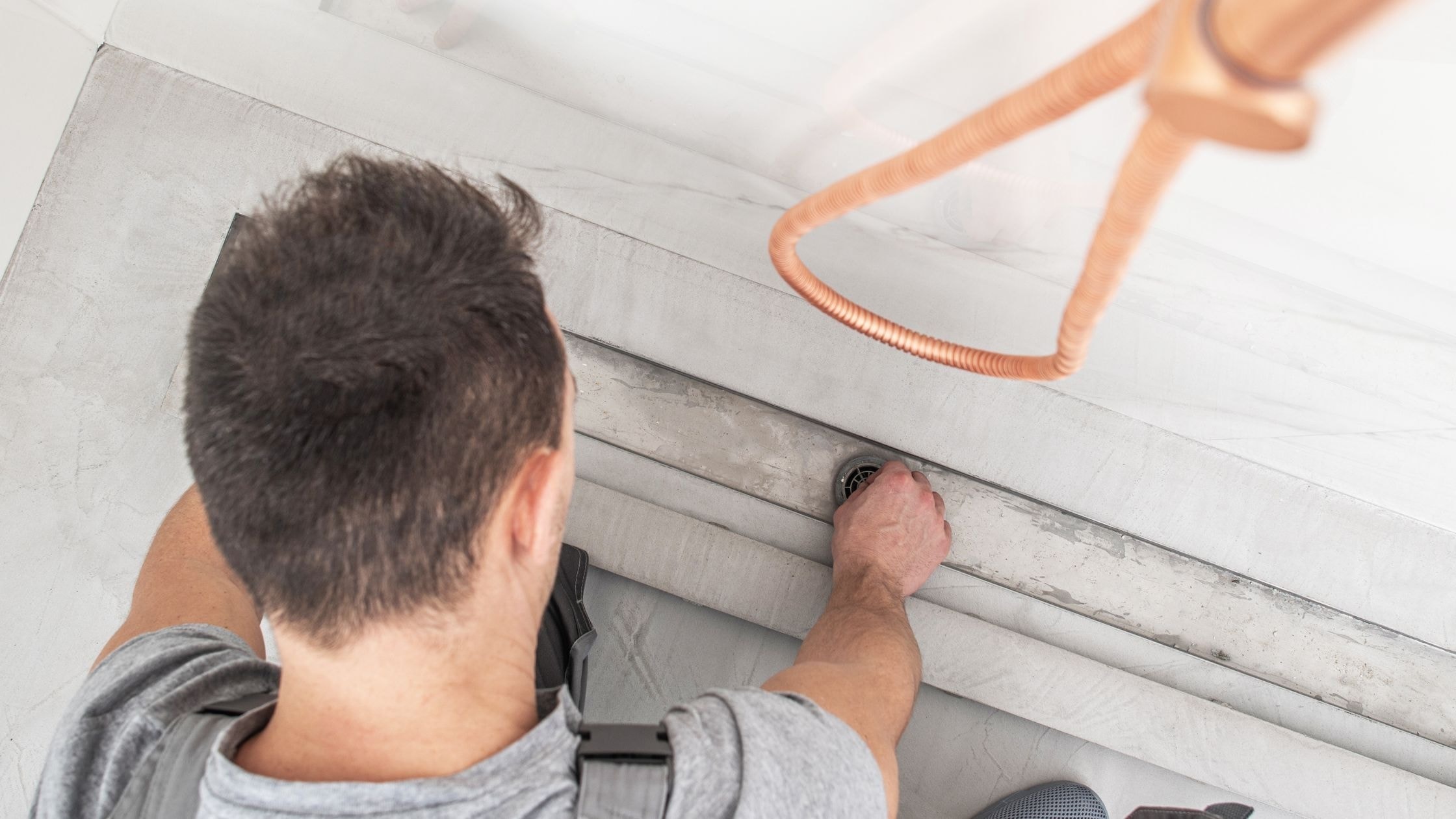
Shower floors must slope consistently toward drains to prevent water pooling. The standard slope requires one-quarter inch of drop per foot of distance from the drain. This gradual grade ensures water flows efficiently without creating tripping hazards or requiring excessive pitch that makes standing uncomfortable.
Many DIY and inexperienced installers create flat shower floors or inconsistent slopes that leave puddles after showering. Standing water creates slippery surfaces, encourages mildew growth, and prevents proper drying between uses. Over time, the constant moisture accelerates wear on grout and sealants, leading to premature failure and water penetration.
Quick tip: Test shower floor slope before finalizing installation by pouring water across the entire surface and observing flow patterns—water should move steadily toward the drain from all areas without pooling.
Shower Pans and Base Selection
Pre-fabricated shower pans offer consistent factory slopes that eliminate the guesswork from custom installations. Quality shower bases include integrated slopes, proper drain positioning, and reinforced construction that prevents flexing under weight. These components cost more than custom-built mud bed floors but provide reliability that justifies the investment.
Custom shower floors built on-site require skilled installation to achieve proper slope throughout. The process involves creating a pre-slope beneath the waterproof membrane, installing the membrane with appropriate drain connections, then building the final slope above the membrane. Each layer must cure properly before the next application. Rushing this time consuming process or lacking experience with proper techniques results in floors that fail to drain correctly.
Mistake 3: Skipping Structural Assessment Leads to Failures
Why Existing Conditions Matter
Removing an existing bathtub exposes the bathroom floor and walls to inspection for the first time in years or decades. Water damage, termite infestation, outdated plumbing, and inadequate floor support often hide beneath old tubs. Installers who skip thorough structural assessment and proceed directly to new shower installation build on compromised foundations that fail under the new configuration.
Floor joists designed to support filled bathtubs may require reinforcement for heavy tile shower floors. Alternatively, lightweight shower systems may allow removal of some reinforcement, reclaiming ceiling height in rooms below. Understanding current structural capacity prevents future sagging, cracking, or collapse.
Addressing Hidden Problems During Conversion
Professional contractors budget time and resources for addressing issues discovered during tub removal. Rotted subfloor requires replacement with properly sealed materials. Damaged wall studs need repair or replacement before waterproofing and tile installation. Outdated plumbing benefits from upgrading to current codes, preventing future leaks within new shower walls.
Homeowners who attempt to avoid common mistakes sometimes create new problems by ignoring structural issues. Covering damaged materials with new finishes simply conceals problems temporarily. The underlying damage continues deteriorating, eventually causing new shower failure that requires complete removal and reinstallation along with extensive structural repairs.
Mistake 4: Using Cheap Materials Cuts Costs Initially but Fails Quickly
The True Cost of Budget Components
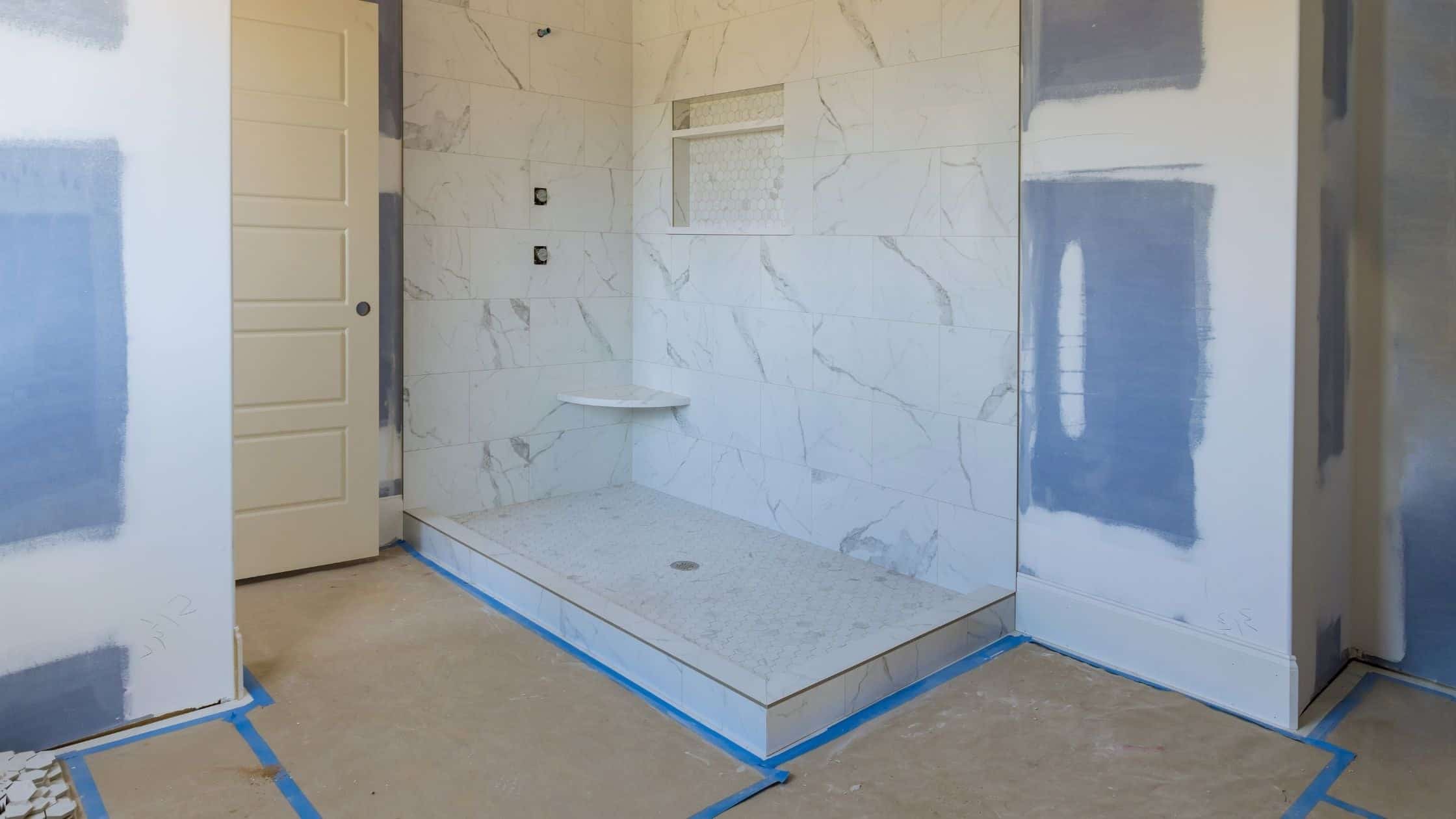
Cheap materials appear identical to high quality alternatives in showrooms and catalogs. The differences emerge during installation and through years of use. Thin acrylic shower walls crack easily during installation and flex noticeably when cleaning. Budget shower fixtures corrode quickly, leak at connections, and fail to maintain consistent water temperature. Low-grade shower pans develop stress cracks that allow water leakage into subfloors.
Quality materials cost more initially but provide decades of reliable performance. Solid surface or tile walls withstand impacts and daily cleaning without damage. Premium fixtures include ceramic disc valves that prevent drips and maintain temperature consistency. Reinforced shower bases support substantial weight without flexing or cracking.
Material Selection Impact on Longevity
The right materials for shower conversions balance durability, maintenance requirements, and aesthetic appeal. Porcelain tile provides excellent water resistance and longevity but requires professional installation. Acrylic wall systems install quickly and resist mold growth but may discolor or crack over time. Natural stone creates luxury appearance but demands regular sealing and careful maintenance.
Shower components must work together as an integrated system rather than as individual parts selected solely by price. The shower base must support chosen wall materials. Drain assemblies must accommodate floor thickness. Plumbing fixtures should match the overall aesthetic appeal while providing appropriate water flow and pressure. Mixing incompatible components creates installation challenges and performance problems.
Mistake 5: Ignoring Plumbing Adjustments Creates Future Problems
When Existing Plumbing Requires Updates
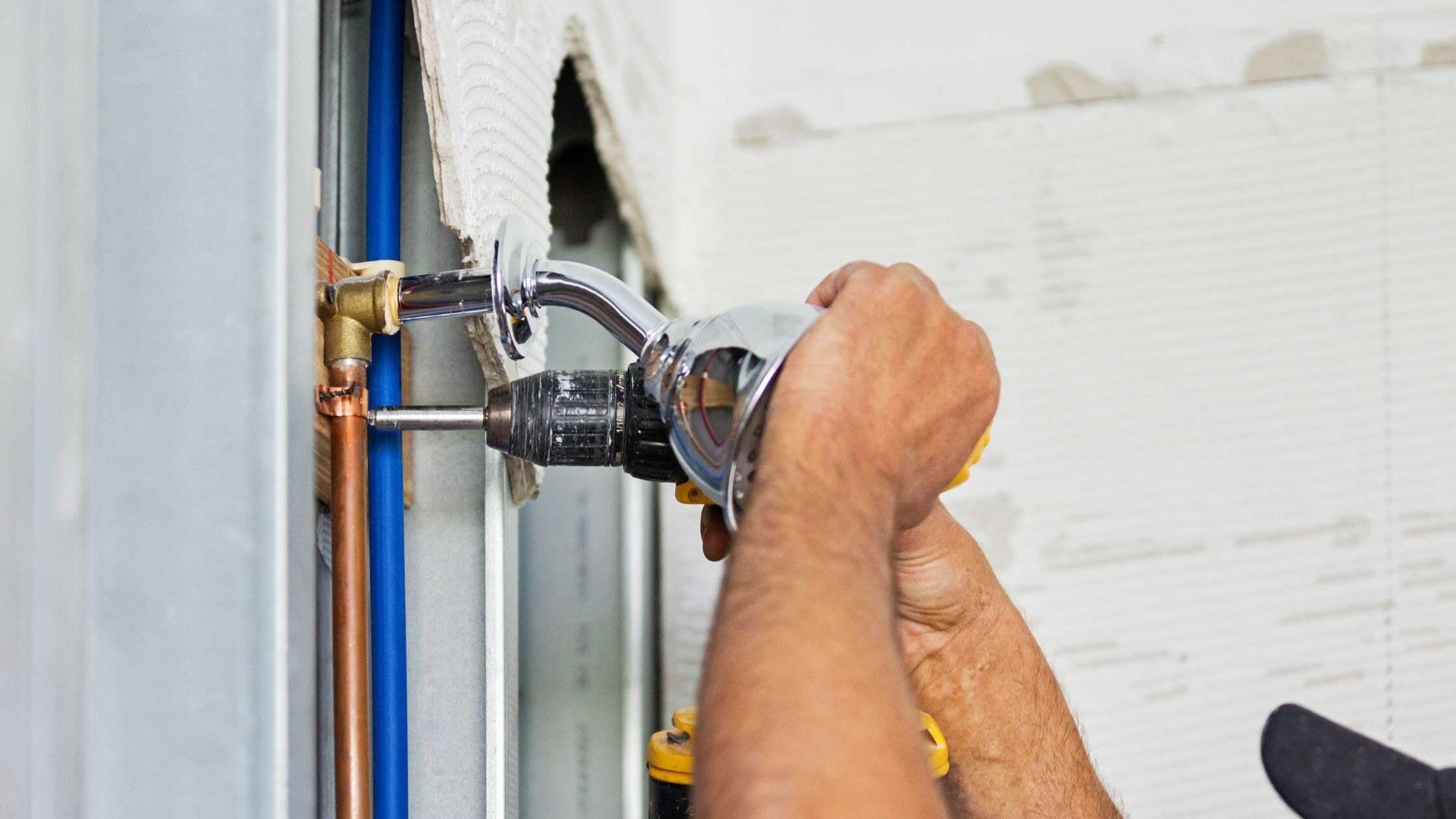
Converting from bathtub to shower often requires plumbing adjustments beyond simply repositioning the showerhead. The current plumbing configuration may include bathtub spout connections, outdated valve assemblies, or drain positions incompatible with new shower systems. Attempting to reuse old plumbing rather than updating appropriately creates leaks, temperature control problems, and code violations.
Modern shower valves include pressure-balancing or thermostatic features that prevent dangerous temperature fluctuations. These safety features prove especially important in homes with limited mobility users or elderly residents. Older single-handle or two-handle valves lack these protections, creating potential scalding hazards when toilets flush or washing machines start.
Did you know? Building codes in many jurisdictions now require pressure-balancing or thermostatic shower valves in all new installations and major renovations to prevent scalding injuries.
Proper Valve and Drain Positioning
Shower valve height and position affect usability and safety. Standard mounting places valves 38-48 inches above the shower floor, allowing easy reach from both standing and seated positions. Too high creates difficulty for shorter users or anyone with mobility limitations. Too low requires excessive bending that proves uncomfortable and unsafe on wet surfaces.
Drain placement impacts shower floor slope and water flow efficiency. Center drains work well in square or rectangular showers, allowing consistent slope from all directions. Linear drains along one edge accommodate larger tile formats and create contemporary aesthetics while simplifying slope construction. The plumbing system must accommodate the chosen drain type with appropriate connections and adequate slope in drain lines.
Mistake 6: Poor Ventilation Encourages Mold and Mildew Growth
Why Exhaust Fans Matter
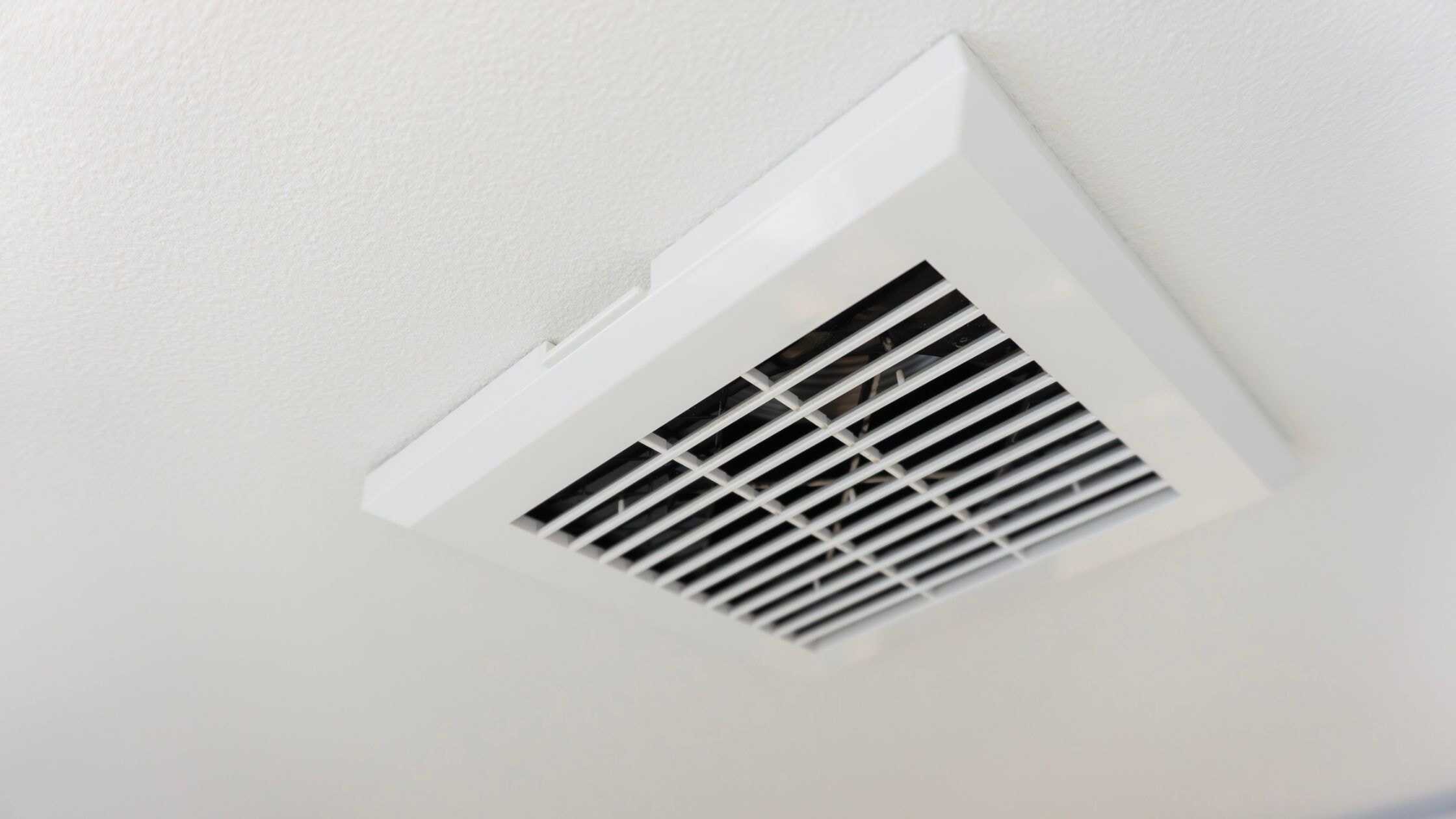
Proper ventilation removes moisture-laden air before condensation occurs on cool surfaces. Without adequate exhaust, moisture accumulates on walls, ceilings, and in hidden spaces, creating ideal conditions for mold and mildew growth. The resulting damage affects air quality, creates health concerns, and damages finishes that require expensive remediation.
Exhaust fans require proper sizing based on bathroom square footage. The Home Ventilation Institute recommends minimum CFM ratings calculated by bathroom size—small bathrooms under 50 square feet need at least 50 CFM, while larger bathroom spaces require higher capacity. Fans must vent directly outdoors rather than into attics or other enclosed spaces where moisture causes structural damage.
Installation and Usage Considerations
Proper exhaust fan installation positions the unit to capture moisture effectively without creating drafts that make showering uncomfortable. Mounting fans directly over the shower area removes moisture at the source. Timer switches or humidity-sensing controls ensure fans operate long enough to remove moisture completely—typically 20-30 minutes after showering ends.
Many homeowners install undersized fans or position them poorly during conversion projects. The resulting inadequate ventilation leads to persistent humidity that damages finishes and creates ongoing mold problems. Correcting ventilation mistakes often requires opening finished ceilings to relocate ductwork or replace undersized fans with properly rated units.
Mistake 7: Neglecting Safety Features and Accessibility
Essential Safety Elements
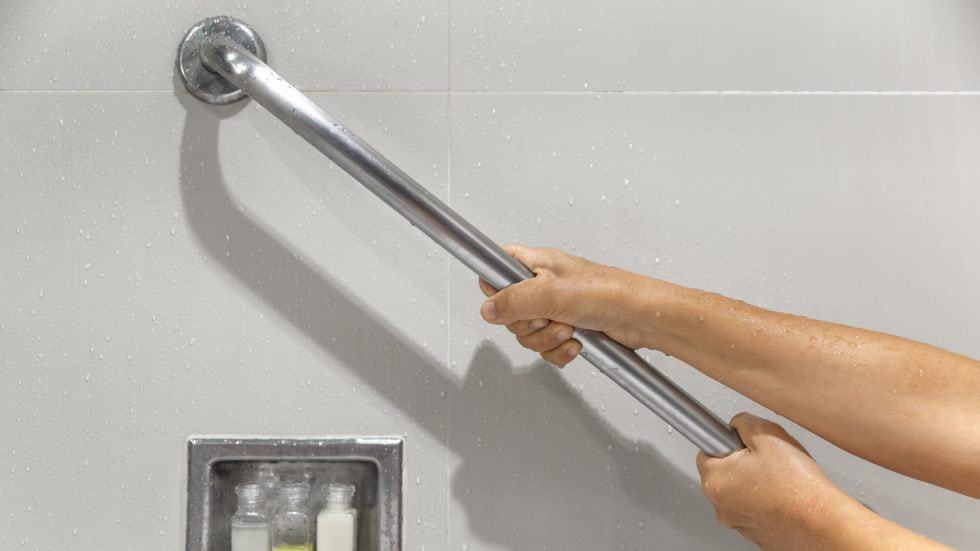
Converting tubs to showers creates opportunities to incorporate safety features that prevent falls and support aging in place. Grab bars installed during construction integrate structurally with proper blocking behind walls. Built-in seating provides stability for users with balance issues or limited stamina. Non-slip flooring surfaces prevent dangerous falls on wet surfaces.
Homeowners focused solely on aesthetics sometimes overlook practical safety considerations. Walk-in shower entries without adequate grab bar placement leave users unsupported during the vulnerable transition from dry to wet surfaces. Smooth tile floors become hazardous ice rinks when wet. Lack of seating forces users to stand throughout bathing, creating fatigue and fall risk.
Planning for Future Needs
Shower conversions should anticipate changing mobility needs rather than addressing only current abilities. Installing blocking for future grab bar placement costs minimally during construction but allows easy addition later without wall damage. Curbless entries accommodate wheelchairs and walkers if mobility declines. Adequate space for shower chairs or transfer benches ensures the bathroom remains functional through all life stages.
According to the CDC, bathroom falls represent a leading cause of home injuries across all age groups. Incorporating safety features during conversion projects prevents accidents while maintaining the aesthetic appeal and functionality that motivated the bath remodel.
What Makes a Shower Conversion Project Successful?
Successful conversions balance immediate goals with long-term performance. The new bathroom should function reliably for decades without requiring major repairs. Water remains contained within the shower area. Surfaces clean easily and resist mold growth. The space accommodates current users comfortably while adapting to future needs.
High quality materials installed by experienced professionals provide this longevity. Initial cost differences between premium and budget approaches pale compared to the expense of correcting failed installations. Homeowners who view conversions as long-term investments rather than short-term expenses make better decisions about materials and contractors.
The bathroom remodel process should proceed methodically without rushing through critical steps. Waterproofing requires proper drying time between layers. Structural repairs must be completed before covering with new finishes. Plumbing adjustments need pressure testing before enclosing behind walls. These steps consume time but ensure reliable performance.
Frequently Asked Questions About Tub to Shower Conversion Mistakes
What’s the most common tub-to-shower conversion mistake?
Inadequate waterproofing represents the most common and expensive conversion mistake. Many installers apply waterproofing incorrectly or skip it entirely, relying on tile and grout alone. This approach guarantees water damage within walls and floors that remains invisible until costly repairs become necessary. Proper waterproofing requires continuous membranes extending from floors up walls with careful attention to seams, corners, and penetrations.
How much does it cost to fix a poorly done shower conversion?
Fixing failed conversions typically costs more than proper initial installation because correction requires removing all new materials, repairing water damage, and completely reinstalling the shower system. Extensive water damage may require structural repairs to floor joists, wall studs, and subfloors before shower reinstallation begins. Many homeowners discover that attempting to cut costs through cheap materials or inexperienced installers ultimately doubles or triples total project expenses.
Can I use my existing shower drain for the conversion?
Existing drains can be reused if they position correctly for the new shower base, remain in good condition without corrosion or leaks, and comply with current plumbing codes. However, many older drains fail one or more of these criteria and require replacement. The shower system and new shower base must accommodate existing drain placement, which may limit design options. Professional assessment determines whether drain reuse makes sense or whether replacement provides better long-term performance.
How long should a properly installed tub-to-shower conversion last?
Quality shower conversions using premium materials and proper installation techniques should function reliably for 20-30 years or longer before requiring major updates. Individual components may need periodic replacement—shower fixtures typically last 15-20 years, while tile and waterproofing systems often exceed 30 years. Budget materials and improper installation dramatically reduce lifespan, with failures occurring within 3-5 years or even sooner.
Do I need permits for a tub-to-shower conversion?
Most jurisdictions require building permits for tub-to-shower conversions since the work involves plumbing modifications, structural changes, and waterproofing systems that affect building safety and performance. Permit requirements vary by location but typically include plan review, mid-construction inspections, and final approval. Skipping required permits creates liability issues, complicates future home sales, and eliminates inspection oversight that catches problems before they become expensive failures.
What should I look for when hiring a contractor for a tub-to-shower conversion?
Experienced tub-to-shower conversion contractors should carry proper licensing and insurance, provide references from recent similar projects, explain their waterproofing methods in detail, and offer realistic timelines that allow proper completion without rushing. Red flags include significantly lower bids than competitors, reluctance to obtain permits, vague proposals lacking material specifications, and pressure to start immediately without proper planning. Quality contractors welcome questions and provide detailed explanations of their process.
How can I tell if my tub-to-shower conversion was done correctly?
Properly completed tub-to-shower conversions show no signs of water leakage, maintain consistent shower floor slopes without puddling, include visible evidence of waterproofing materials, and incorporate safety features like grab bars with proper backing. Tile work appears level and uniform without cracked grout. Fixtures operate smoothly without drips or temperature fluctuations. The bathroom feels dry within an hour of showering, indicating adequate ventilation. Any musty odors, water stains, or spongy floors suggest installation problems requiring professional assessment.
Protecting Your New Bathroom Investment Through Proper Planning
Avoiding tub to shower conversion project mistakes requires understanding what proper installation entails and working with experienced professionals who implement best practices consistently. The bathroom renovation represents a significant investment that should deliver decades of reliable performance and enjoyment. Cutting corners or rushing through critical steps transforms anticipated improvements into expensive problems.
Butler and Pittsburgh-area homeowners benefit from thorough research before beginning conversion projects. Understanding common mistakes helps evaluate contractor proposals, recognize when plans contain problems, and make informed decisions about materials and methods. Even small details affect long-term performance and satisfaction.
The difference between successful conversions and costly failures often comes down to waterproofing quality, proper material selection, and experienced installation. These factors prove far more important than initial cost differences between contractors. Homeowners who prioritize quality and expertise over low bids protect themselves from the expensive mistakes that plague rushed or inexperienced installations. The result creates beautiful, functional bathrooms that enhance home value while providing safe, comfortable bathing spaces for decades.