
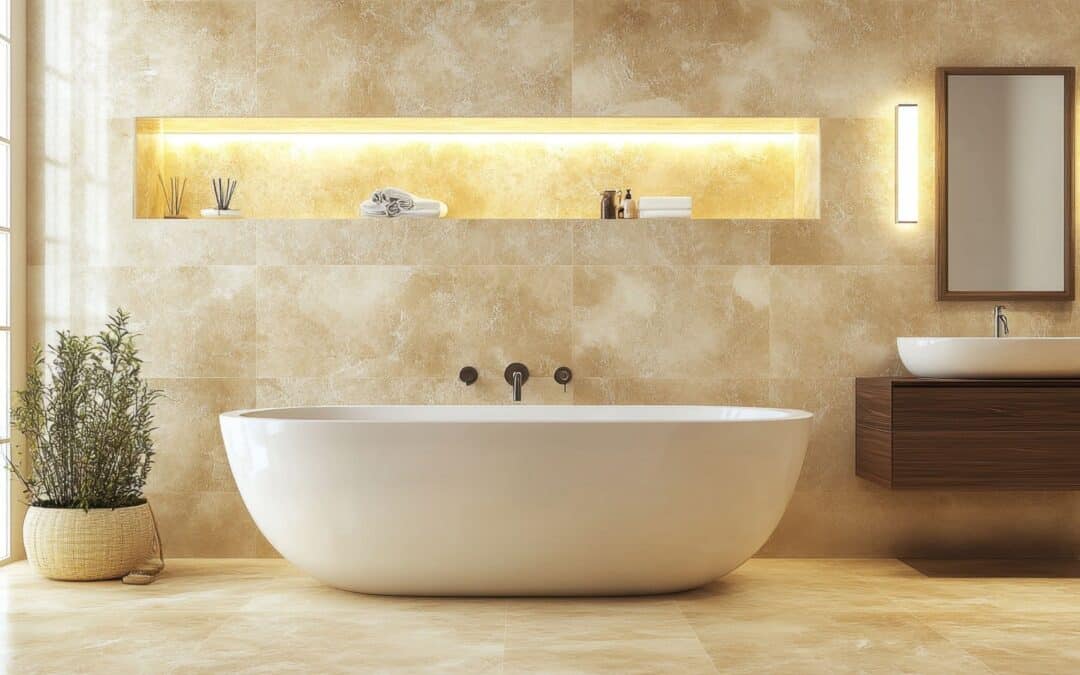
Choosing between a bathtub vs walk in shower is one of the most important decisions in any bathroom renovation. Each option comes with its own set of advantages, and the right choice depends on your lifestyle, household needs, and long-term goals for your home. Understanding the pros and cons of both helps homeowners in Butler, PA and the greater Pittsburgh area make a confident, well-informed decision.
Both options serve the same core purpose, but the way people use their bathrooms has shifted. Walk-in showers have grown in popularity as homeowners prioritize accessibility, low maintenance, and modern designs. At the same time, many families still value the flexibility of a tub shower combo or a separate tub for bathing small children or enjoying a relaxing soak after a tough workout.
The good news is that you do not have to choose blindly. A careful look at your square footage, daily routine, household size, and target resale market gives you a clear picture of which direction makes the most sense. This guide covers everything you need to know to weigh your options and land on the best solution for your home.
Bathtub vs. Walk-In Shower: What Are the Core Differences?
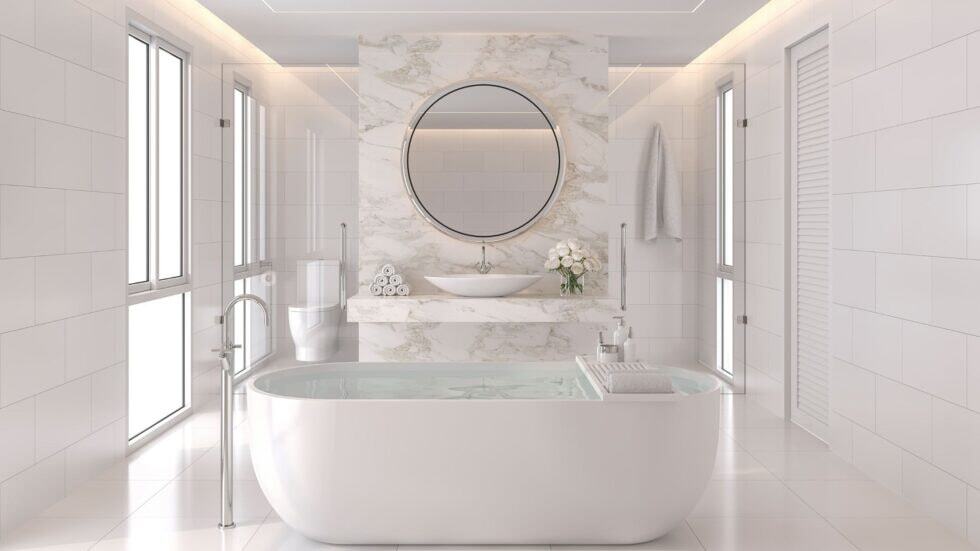
A standard bathtub offers an enclosed basin for soaking, while a walk in shower provides a fully enclosed standing space for rinsing off. The standard bathtub has long been the default in American homes, but curbless showers and walk-in designs have become increasingly common as bathroom remodeling trends evolved.
The key differences come down to function, space requirements, and how each fits into your daily routine. Bathtubs require more water usage per session, while the average shower consumes significantly less water. According to the U.S. Environmental Protection Agency (EPA), a standard shower uses about 2 gallons per minute, while a full bath can use up to 70 gallons. That gap has a real impact on energy efficiency and utility costs over time.
Walk-in showers, including rain showers and curbless showers, lend themselves to a spa like experience without requiring a large footprint. Bathtubs, particularly freestanding tubs and whirlpool tubs, anchor a bathroom with a more traditional or luxurious feel.
Did you know? Most homeowners who convert their tub to a walk-in shower report that their daily routine feels faster and easier, especially on busy mornings when a quick rinse is all that is needed.
Pros and Cons: Breaking Down Each Option
What Are the Advantages of a Walk-In Shower?
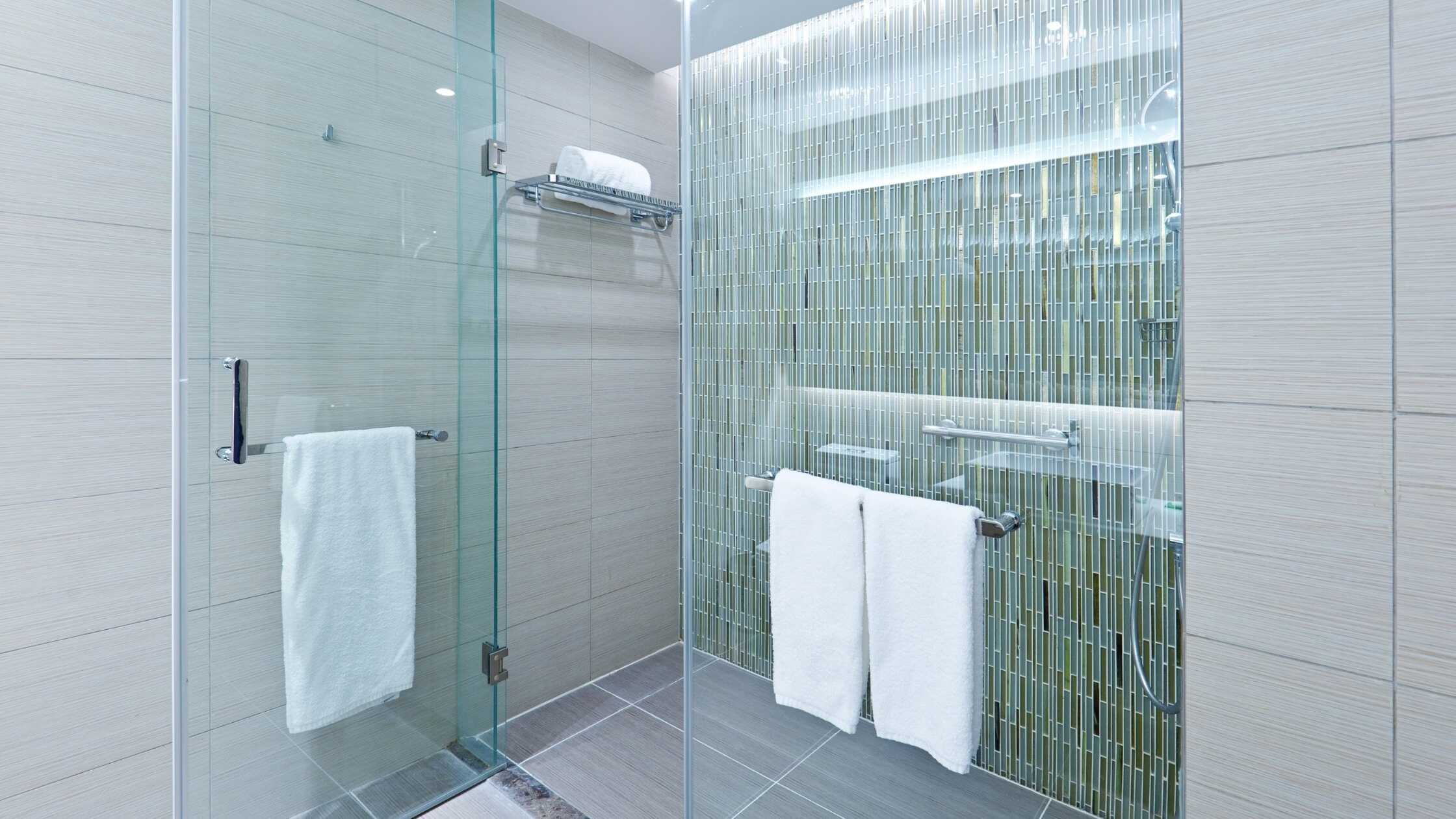
Walk-in showers work well for a wide range of homeowners, from busy professionals to older adults who want to enhance safety. The biggest advantages include:
- Easier to clean, with fewer grout lines and soap scum buildup in modern designs using large format tiles
- More accessible for those with mobility limitations, particularly those who benefit from grab bars and built in seating
- Better for smaller bathrooms and smaller spaces where a full tub would dominate the floor plan
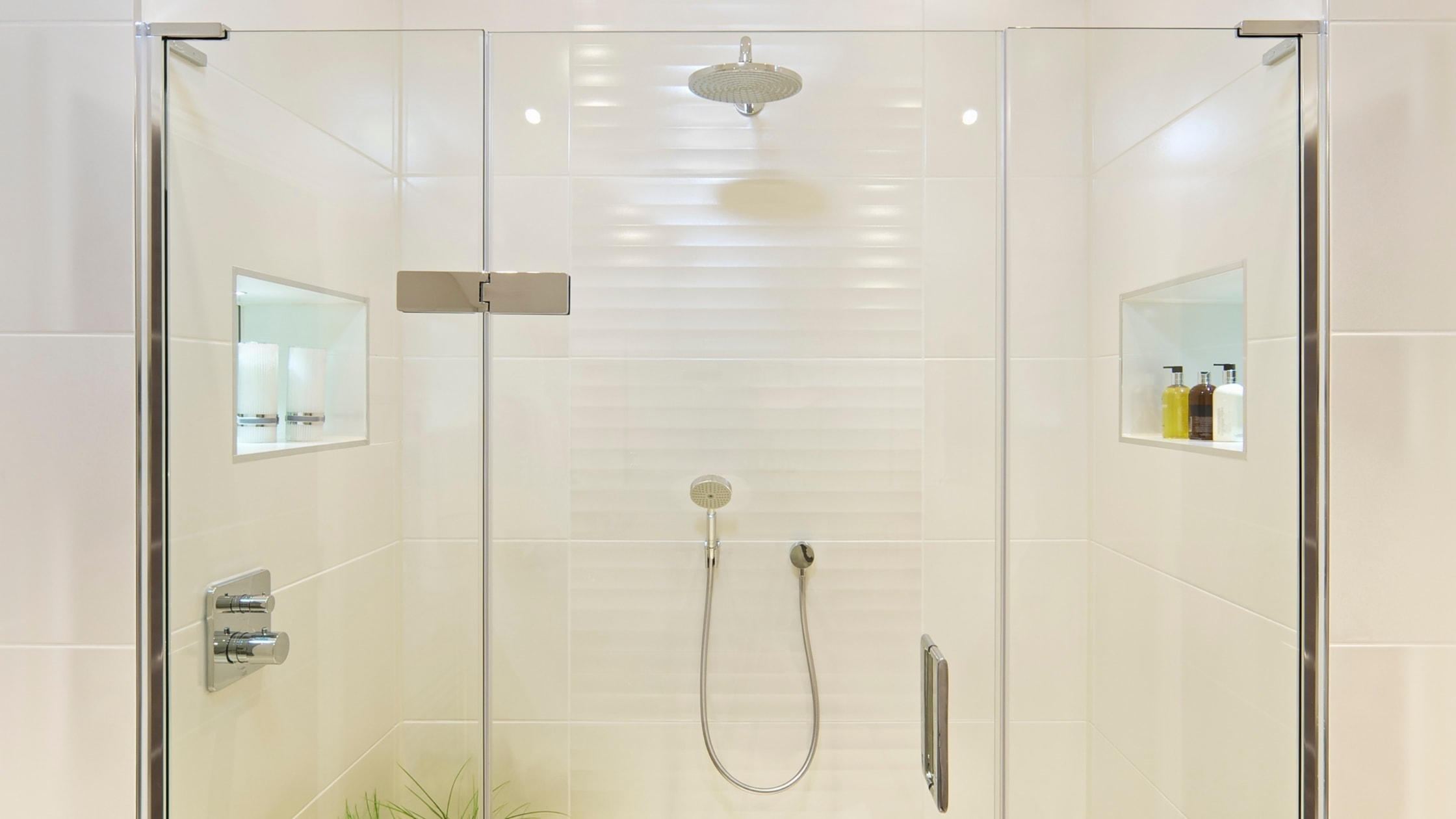
- More storage potential with built-in niches and shelving
- Non slip tiles and curbless showers reduce fall risk, which makes them a strong choice for accessibility showers
- Energy efficiency gains from lower water usage compared to filling a standard sized tub
What Are the Drawbacks of Choosing a Walk-In Shower?
No option is perfect. Walk-in showers can present challenges for families with young children, since bathing children in a standing shower is not always practical. Homes with only one bathroom may lose appeal to buyers who want at least one bathtub for soaking or bathing small children. The installation process for wet rooms and glass doors also adds to upfront project complexity.
What Are the Advantages of Keeping a Bathtub?
Bathtubs remain a popular choice for good reasons. They offer a relaxing soak option that no shower can fully replicate, and they remain essential for bathing children in many households. Whirlpool tubs and freestanding models add a high-end look to larger bathrooms, and freestanding tubs in particular have become a centerpiece of modern bathroom design. Real estate professionals note that homes with at least one tub tend to appeal to a broader buyer pool.
What Are the Drawbacks of Keeping a Bathtub?
Bathtubs require more water per use, take up more square footage, and demand regular cleaning of the tub wall and surrounding surfaces. Soap scum and mildew accumulate faster in tubs than in open walk-in shower designs. Older or less mobile homeowners may find it difficult to step over the tub wall safely, making a walk-in design a smarter long-term investment.
How Does Your Bathroom Layout Affect the Decision?
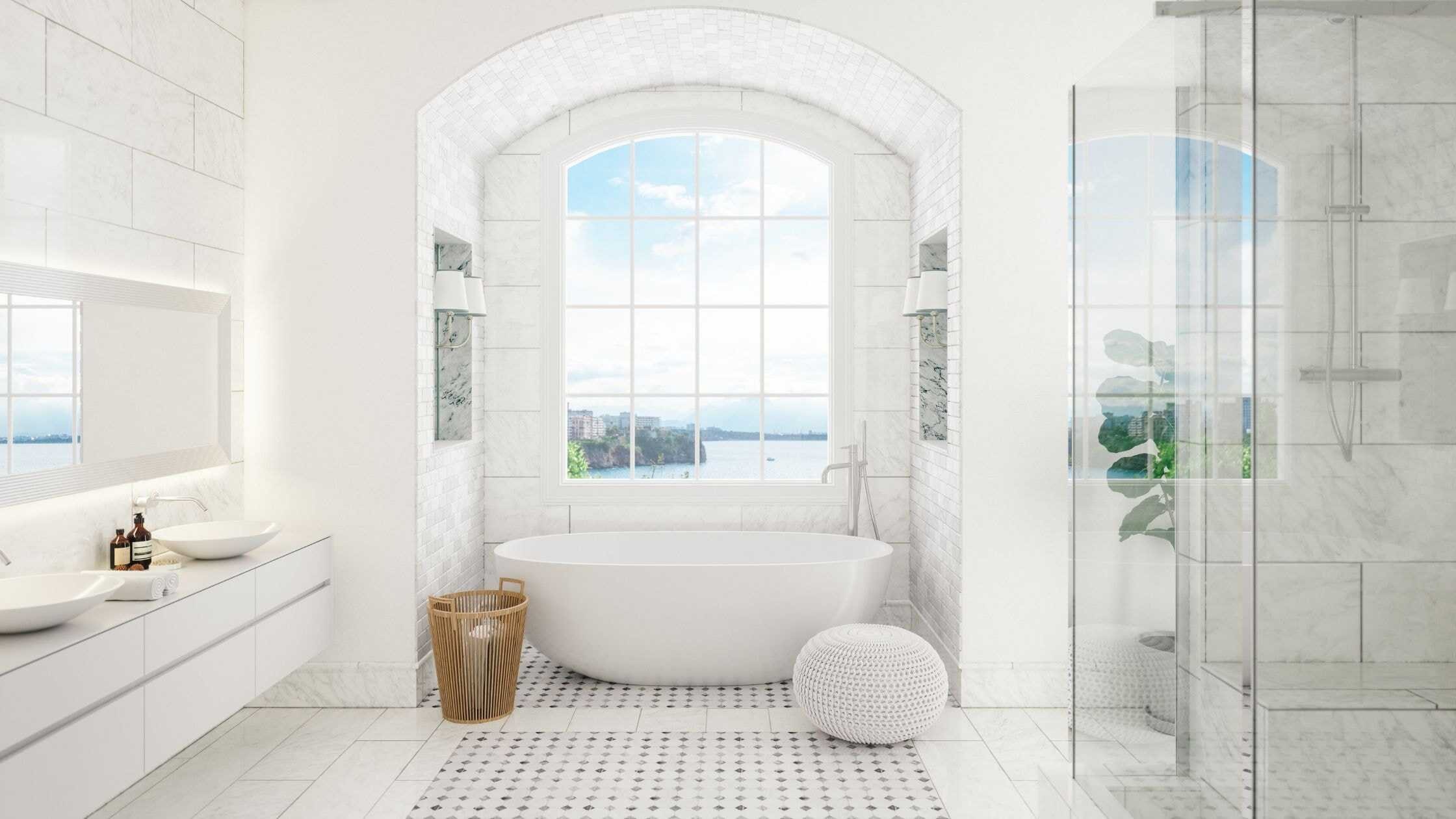
Bathroom layout plays a significant role in what is even possible. Smaller bathrooms often cannot accommodate both a shower and a full bathtub without feeling cramped. In those cases, a tub-to-shower conversion can completely transform the room, making it feel open and functional. If you have been researching options for smaller bathrooms, the guide on small bathroom shower conversions that maximize space and style walks through design strategies that make the most of limited square footage.
Larger bathrooms can often accommodate a separate tub alongside a walk-in shower, giving homeowners both a shower combination option and the flexibility of a good soak when the mood calls for it. In urban areas where square footage is at a premium, the walk-in shower almost always wins out as the smarter use of space.
A few key considerations for layout planning include ceiling height, plumbing location, natural light, and whether the bathroom floor will need to be reconfigured. Moving drains and pipes adds to the installation process, so working with an experienced remodeling team helps avoid unexpected costs.
Quick tip: If your bathroom floor already has a drain positioned toward the center or along a wall, a curbless shower conversion may require less plumbing work than you expect, which can simplify the entire installation process.
Which Option Works Best for Smaller Bathrooms?
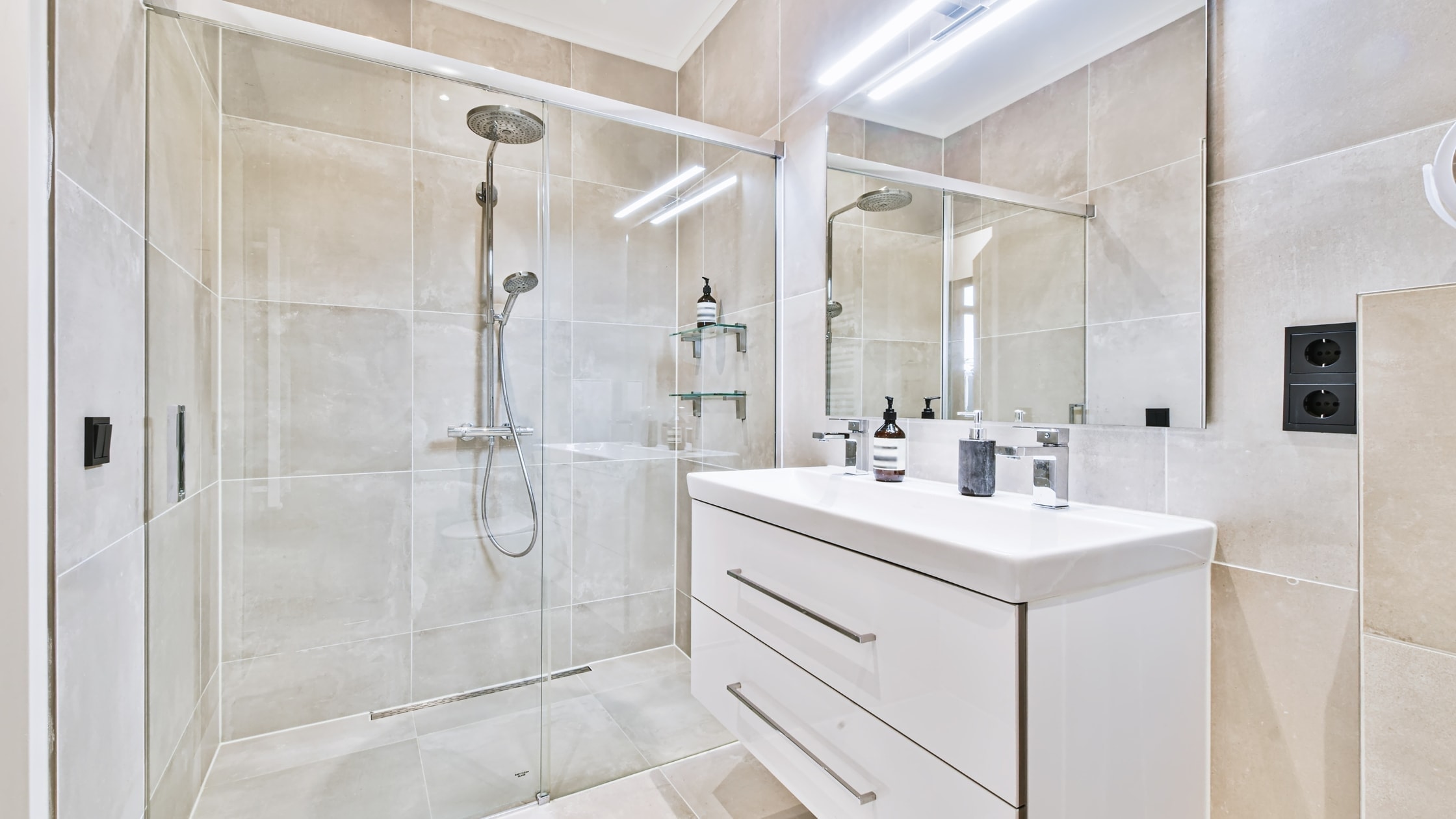
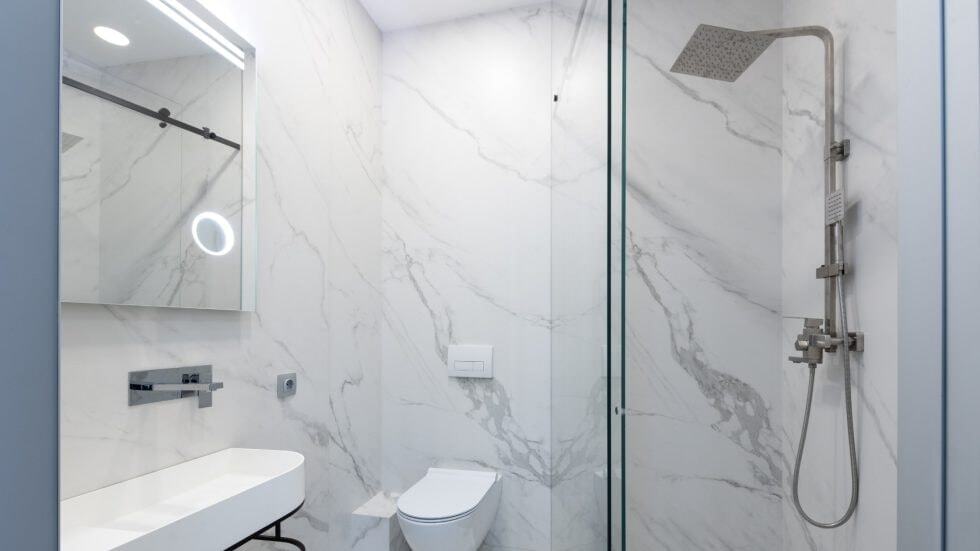
For homeowners dealing with limited square footage, a walk-in shower almost always delivers more usable space and a cleaner aesthetic than a cramped tub shower combo. Removing a standard bathtub and replacing it with a well-designed walk-in shower can make even a small bathroom feel significantly larger.
Curbless showers are particularly effective in smaller spaces because they eliminate the visual barrier of a step or threshold. Paired with large format tiles and frameless glass doors, this design approach creates a seamless look that makes the bathroom floor feel continuous and open.
The tub shower combo remains a workable middle ground for bathrooms that need to serve multiple purposes without sacrificing one function entirely. It preserves bath time flexibility while maintaining a shower within the same footprint.
What Are Curbless Showers and Are They Right for You?
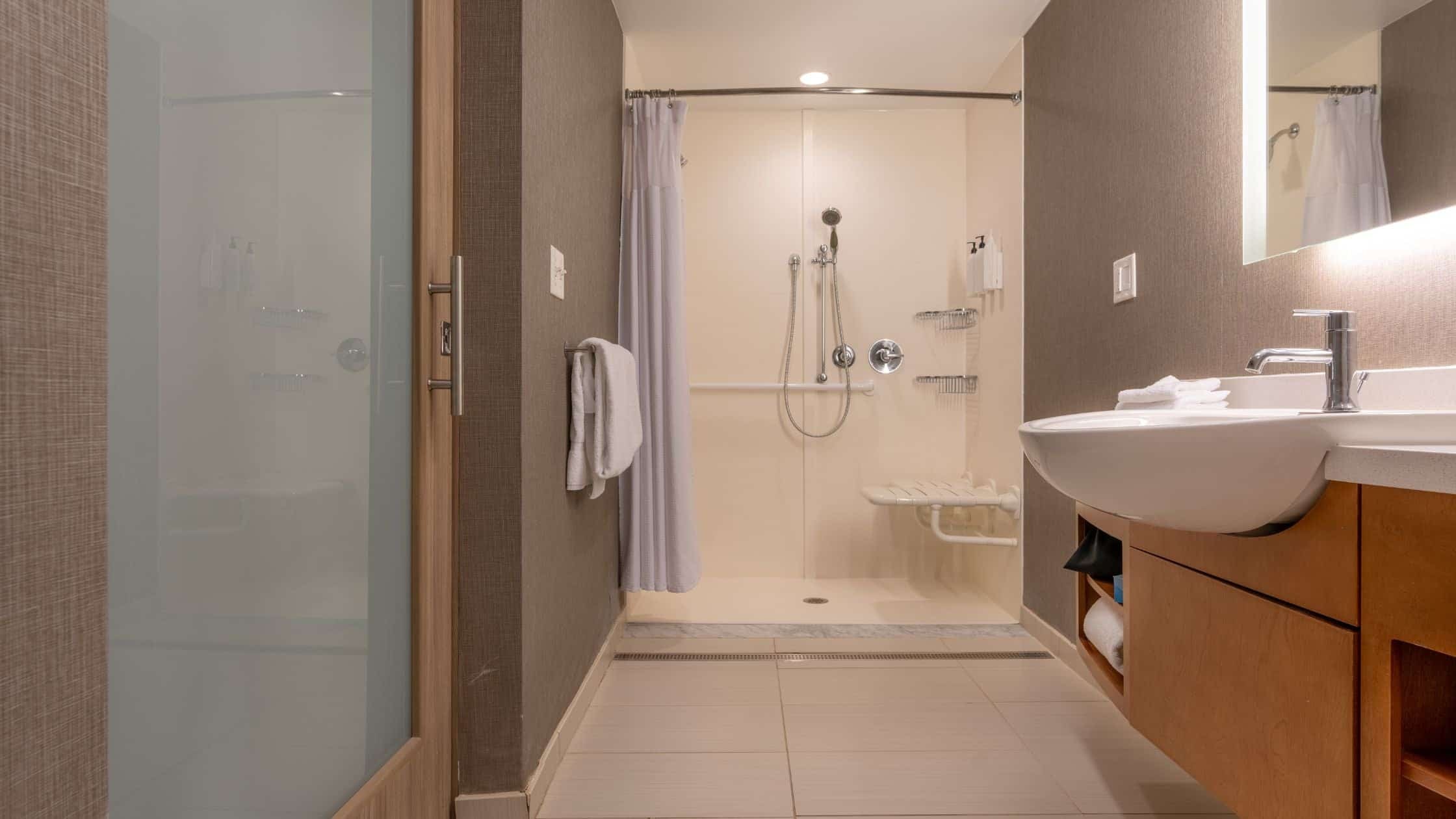
Curbless showers, also called zero-threshold or barrier-free showers, feature a bathroom floor that flows directly into the shower space without a raised edge. They work well for accessibility, aging in place, and households with younger residents or children who may struggle stepping over a curb.
Grab bars, built in seating, and non slip tiles make curbless showers the safest shower option for many homeowners, particularly those planning to stay in their home long-term. If accessibility is a primary concern, the team at My Bath LLC specializes in accessible shower conversions for aging in place and mobility needs that combine safety with refined design.
Wet rooms represent a more intensive version of this concept, where the entire bathroom floor and walls are waterproofed to allow both shower and non-shower use in an open plan layout. They require more planning and investment upfront but deliver a high-end, spa-like result for larger bathrooms.
Quick tip: Grab bars in a curbless shower do not have to look institutional. Modern designs integrate them seamlessly into tile layouts or pair them with decorative finishes that enhance the overall look of the space.
Bath or Shower: How to Decide Based on Your Household
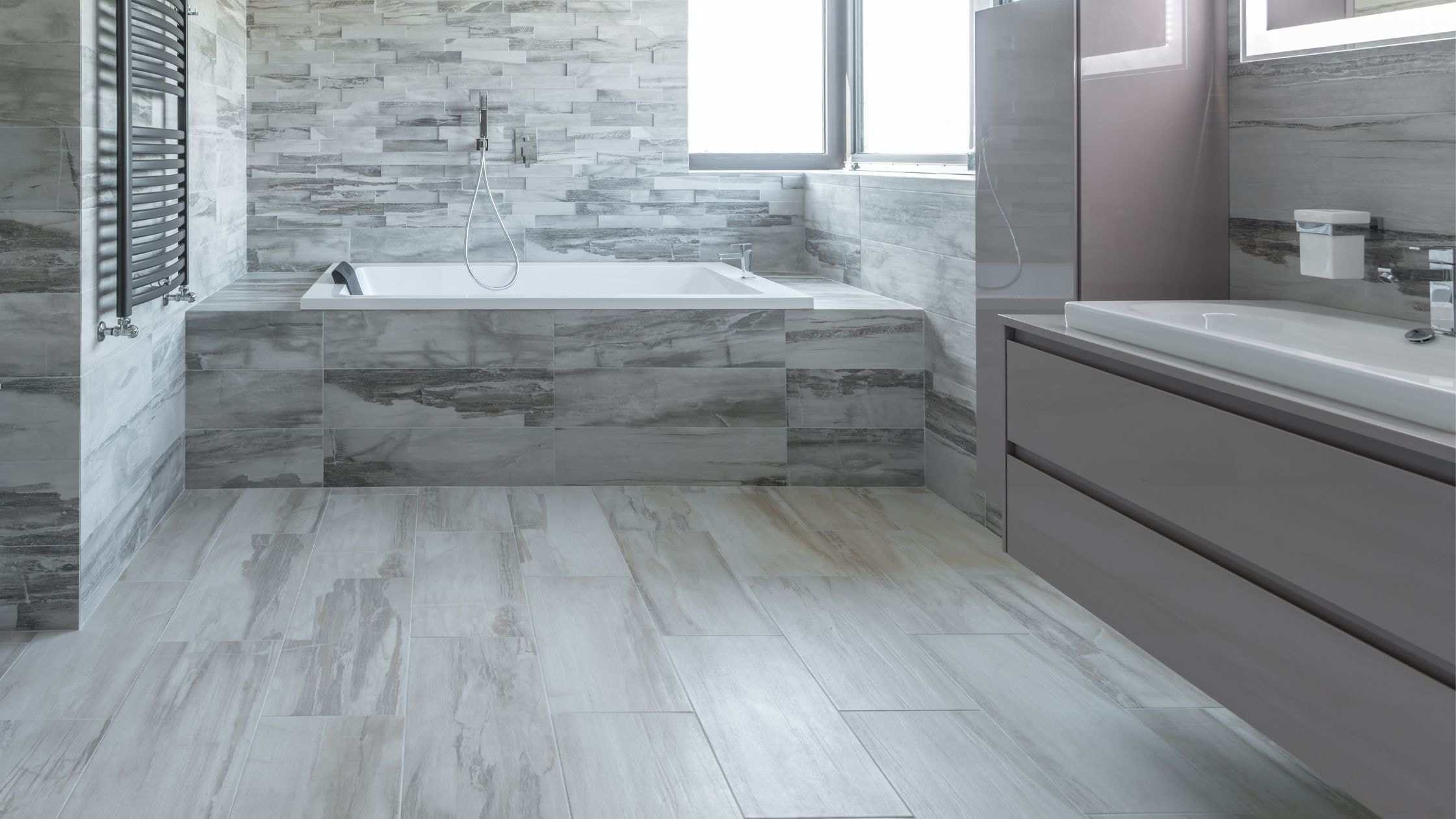
The bath or shower decision ultimately comes down to the people living in the home. Households with small children often benefit from keeping at least one bathtub accessible, since bathing children in a standard shower can be difficult during the early years. Young kids also tend to enjoy bath time as part of their routine, and parents find it easier to manage in a tub setting.
For households without young children, or where the children are old enough for showers, a walk-in conversion makes sense. Adults who want to relieve sore muscles after a tough workout can still get that benefit from a well-designed walk-in with a bench seat or a handheld showerhead, even without a full soaking tub.
Personal preferences matter too. Some homeowners simply prefer a good soak as their primary way to unwind, and for them, keeping or upgrading the bathtub is the right call. Others find that a walk-in shower with rain showers or steam capability delivers a spa like experience that replaces the need for a tub entirely.
For a deeper look at the full conversion process, the ultimate guide to tub-to-shower conversions covers everything from planning to final installation, including the decisions homeowners face at every stage.
How Does This Decision Affect Your Home’s Resale Appeal?
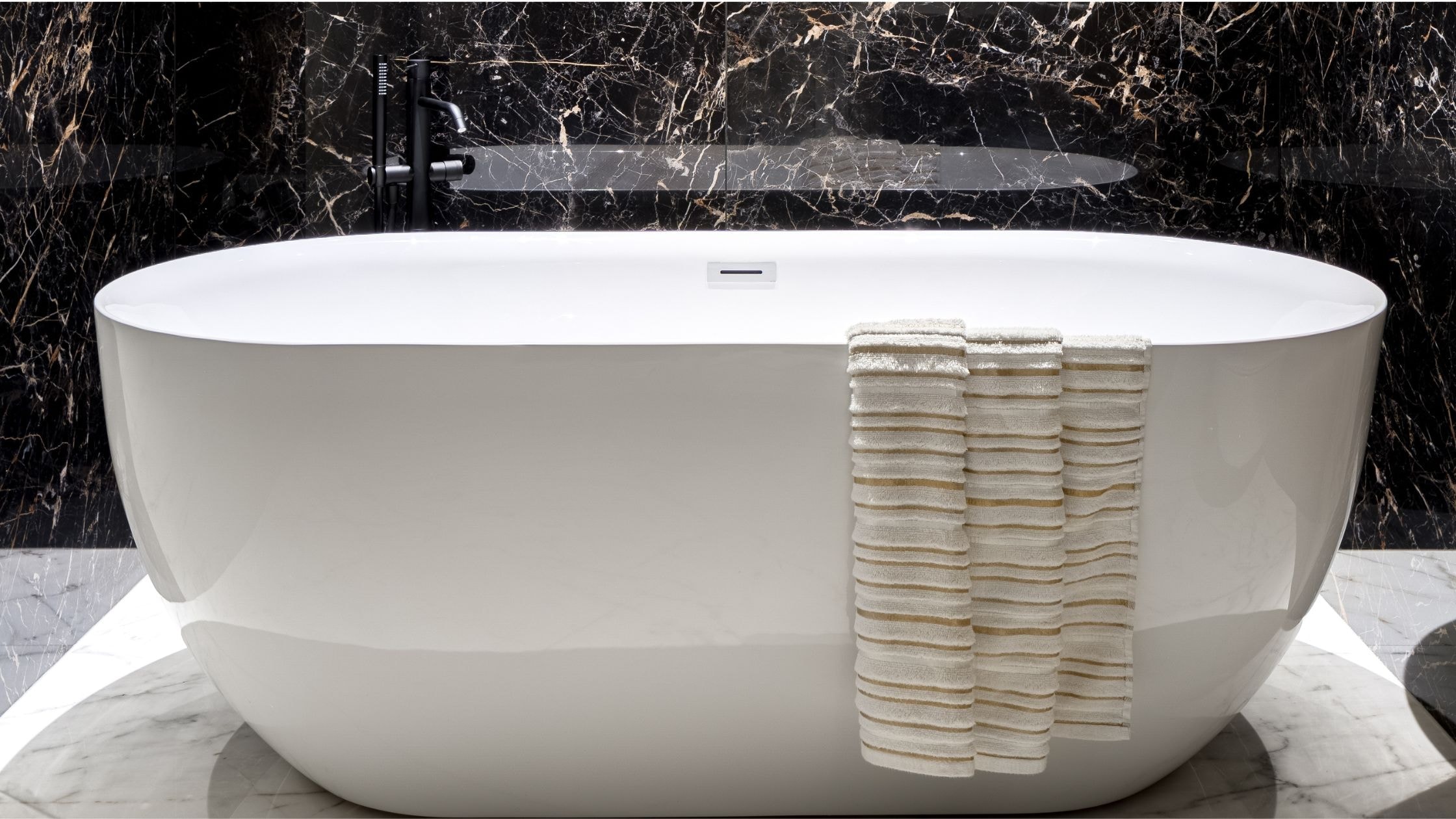
The impact on the home’s resale appeal varies based on local market conditions, the number of bathrooms in the home, and what competing properties offer. In a home with multiple bathrooms, converting one to a walk-in shower while keeping a tub in another bathroom is often the ideal compromise.
In a one bathroom home, removing the only tub can limit your target resale market, since families with young kids and certain buyers will specifically search for at least one tub. If resale is a near-term priority, talking with a local real estate professional before committing to a full conversion is a smart step.
Many homeowners find that a high-quality conversion with premium materials, glass doors, and modern tile work increases perceived value even when the tub is removed. Execution matters as much as the choice itself.
What Are the Key Considerations Before Starting a Bathroom Renovation?
Before any renovation begins, a few key considerations should shape the plan:
- Household composition: Do you have young children, older adults, or residents with mobility needs?
- Number of bathrooms: Does the home have other bathrooms where a tub will remain accessible?
- Square footage: Does the current layout realistically accommodate both options?
- Daily routine: Do household members primarily shower or soak?
- Resale timeline: Is a sale anticipated within the next few years, and what does your local market prefer?
- Budget: What is the realistic scope of the bathroom renovation relative to expected return?
Answering these questions before calling a contractor keeps the project focused and prevents mid-renovation regret.
Frequently Asked Questions About Bathtub vs. Walk-In Shower
Does removing a bathtub hurt the resale value of my home?
It depends on the home and the local market. In a home with only one bathroom, removing the only tub can reduce appeal to buyers with young children or those who want the option for a relaxing soak. In multi-bathroom homes, removing a tub from one bathroom while keeping it in another rarely has a negative impact, and a well-designed walk-in shower may actually attract more buyers.
How much water does a walk-in shower save compared to a bathtub?
A standard bath uses significantly more water than the average shower. The EPA estimates a full bath requires up to 70 gallons, while a shower uses around 2 gallons per minute. For most households, switching to a walk-in shower from a bathtub represents meaningful long-term savings in both water usage and energy efficiency costs.
What is the best option for a bathroom with limited square footage?
A walk-in shower is almost always the better choice for smaller bathrooms. Removing the bathtub frees up floor space, improves flow, and allows for features like built in seating, more storage, or larger tiles. Curbless showers with glass doors are particularly effective at making smaller spaces feel open.
Are walk-in showers safer than bathtubs for older adults?
Walk-in showers with curbless designs, grab bars, non slip tiles, and built in seating are among the safest bathing options for older adults or anyone with limited mobility. Stepping over a tub wall presents a fall risk that curbless showers eliminate entirely. Accessibility showers designed for aging in place combine safety and functionality without sacrificing aesthetics.
Can a tub shower combo satisfy both needs?
A tub shower combo works well in smaller bathrooms where preserving both bath and shower access is a priority. It is a practical middle ground for families with both a shower and tub needs. The limitation is that it does not deliver the full walk-in shower experience or the spacious feel of a separate tub in a larger bathroom.
What type of shower is easiest to maintain?
Walk-in showers with large format tiles and minimal grout lines require less regular cleaning than a standard bathtub with a tub wall. Glass doors need consistent wiping to prevent soap scum buildup, but frameless or semi-frameless designs have fewer crevices where mold and residue collect. Curbless designs also make the bathroom floor easier to clean overall.
How long does a tub-to-shower conversion take?
Most tub-to-shower conversions take between one and three days depending on the scope of work, the condition of existing plumbing, and the complexity of the new design. More extensive projects involving new plumbing, wet room construction, or full tile work may take longer. A clear project plan from the contractor upfront helps set accurate expectations.
Making the Right Choice for Your Home and Lifestyle
The decision between a bathtub and a walk-in shower is deeply personal, shaped by the people who live in the home, the space available, and the goals homeowners carry into the project. Neither option is universally superior. The best solution is the one that fits your daily routine, serves the needs of everyone in the household, and aligns with your plans for the home’s resale potential.
My Bath LLC works with homeowners throughout Butler, PA and the greater Pittsburgh area to design and install bathroom spaces that feel right from day one. Whether the goal is a sleek curbless shower for aging in place, a freestanding tub as a showpiece in a larger bathroom, or a complete conversion that opens up a smaller space, the team brings experience and attention to detail to every project.
Ready to start planning? Contact My Bath LLC today for a consultation and take the first step toward a bathroom that works as hard as you do.