
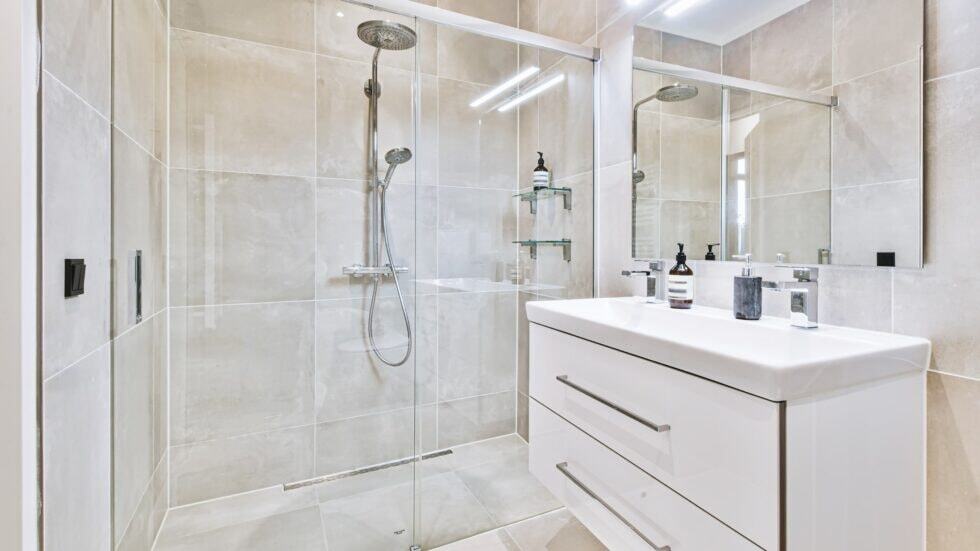
A tub to shower conversion replaces your existing bathtub with a walk in shower, creating a more accessible, modern bathroom space that better suits today’s lifestyle needs. This popular bathroom remodel offers improved safety, easier maintenance, and a clean, contemporary aesthetic that can increase your home’s value while making your daily routine more convenient.
Homeowners across Butler and the greater Pittsburgh area are discovering that converting an old tub into a functional shower space addresses multiple concerns at once. Whether you’re dealing with mobility challenges, struggling with bathroom accessibility, or simply want to modernize an outdated bath, this upgrade delivers practical solutions without the hassle of a full bathroom remodel. The transformation can often be completed in as little as one day, making it an excellent way to refresh your space without extended construction timelines.
Understanding the process, options, and considerations involved in a shower conversion helps you make informed decisions that align with your needs and budget. From waterproofing requirements to design choices, accessibility features to space-maximizing strategies, each aspect plays a role in creating a shower that functions beautifully for years.
This guide covers everything you need to know about tub to shower conversions, including the installation process, common mistakes to avoid, design options for different needs, and essential safety considerations. Whether you’re planning a conversion to improve accessibility, maximize a small bathroom, or simply upgrade to a more modern look, you’ll discover the details that make the difference between a standard remodel and an exceptional transformation.
What to Expect During the Tub to Shower Conversion Process
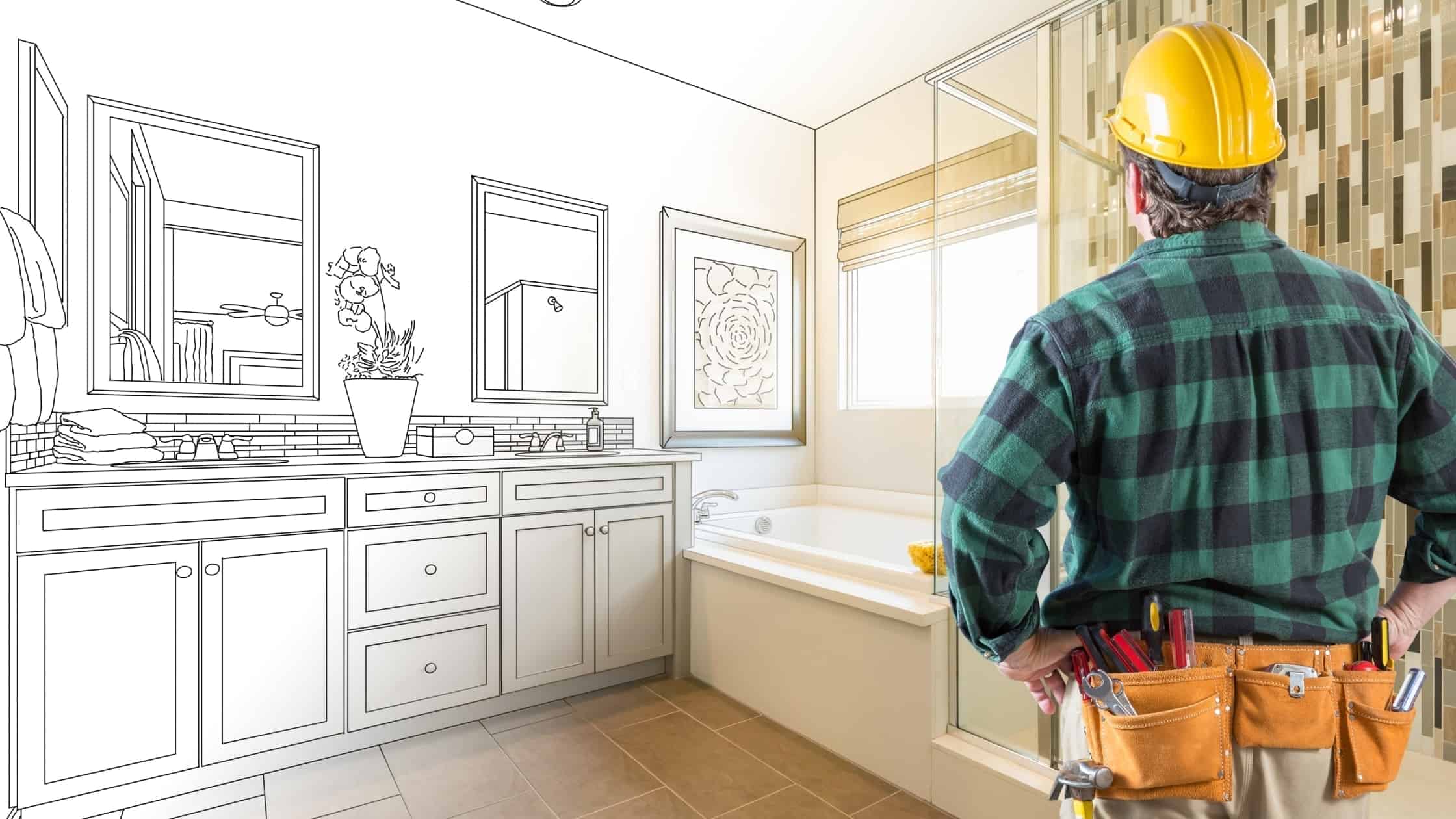
The tub to shower conversion process involves several critical steps that determine the quality and longevity of your new shower. From initial assessment and measurement to final installation, understanding each phase helps homeowners set realistic expectations and prepare for the remodel. Professional contractors begin by carefully removing your existing bathtub, then address the underlying structure, plumbing, and waterproofing before installing your new shower unit.
The timeline, materials used, and installation techniques directly impact both the immediate results and long-term performance of your conversion. The installation timeline for most conversions typically spans just a few days, with some projects completed in one day when using pre-fabricated shower conversion kits. This efficiency minimizes disruption to your household and allows you to begin enjoying your new bathroom immediately. Quality workmanship during the waterproofing phase prevents future water damage and mold growth, while proper measurement ensures a precise fit that maximizes your shower space.
Selecting an appropriate conversion kit significantly impacts the final result of your bathroom transformation. These engineered systems include the essential components needed to convert your bathtub space into a functional shower, from the pan and walls to trim and fixtures. Quality kits offer durability, attractive finish options, and relatively straightforward installation, making them a popular choice for homeowners seeking an affordable upgrade that doesn’t sacrifice elegance.
Key factors to consider when evaluating conversion kits:
- Material composition – Acrylic, PVC, or other materials each offer different benefits for maintenance, durability, and aesthetics
- Size and configuration – Ensure accurate measure to purchase a unit that fits your existing space
- Style options – Choose colors, textures, and patterns that complement your bathroom design
- Accessory compatibility – Verify the kit accommodates your preferred fixtures, shelving, and accessories
- Warranty coverage – Quality manufacturers stand behind their products with comprehensive protection
- Installation requirements – Understand what’s included and what additional materials or professional services you’ll need
Pre-fabricated conversion kits save time and money compared to custom tile installations while delivering a cohesive, professional appearance. The best kits combine practical engineering with modern design, offering the contemporary look homeowners want with the low-maintenance performance they need. Professional contractors can transform your old bathroom into a modern, functional space quickly when working with quality materials and proven installation techniques.
Learn more about The Tub-to-Shower Conversion Process: What to Expect From Start to Finish to understand timelines, materials, and what happens at each stage of your bathroom transformation.
How to Avoid Common Tub to Shower Conversion Mistakes
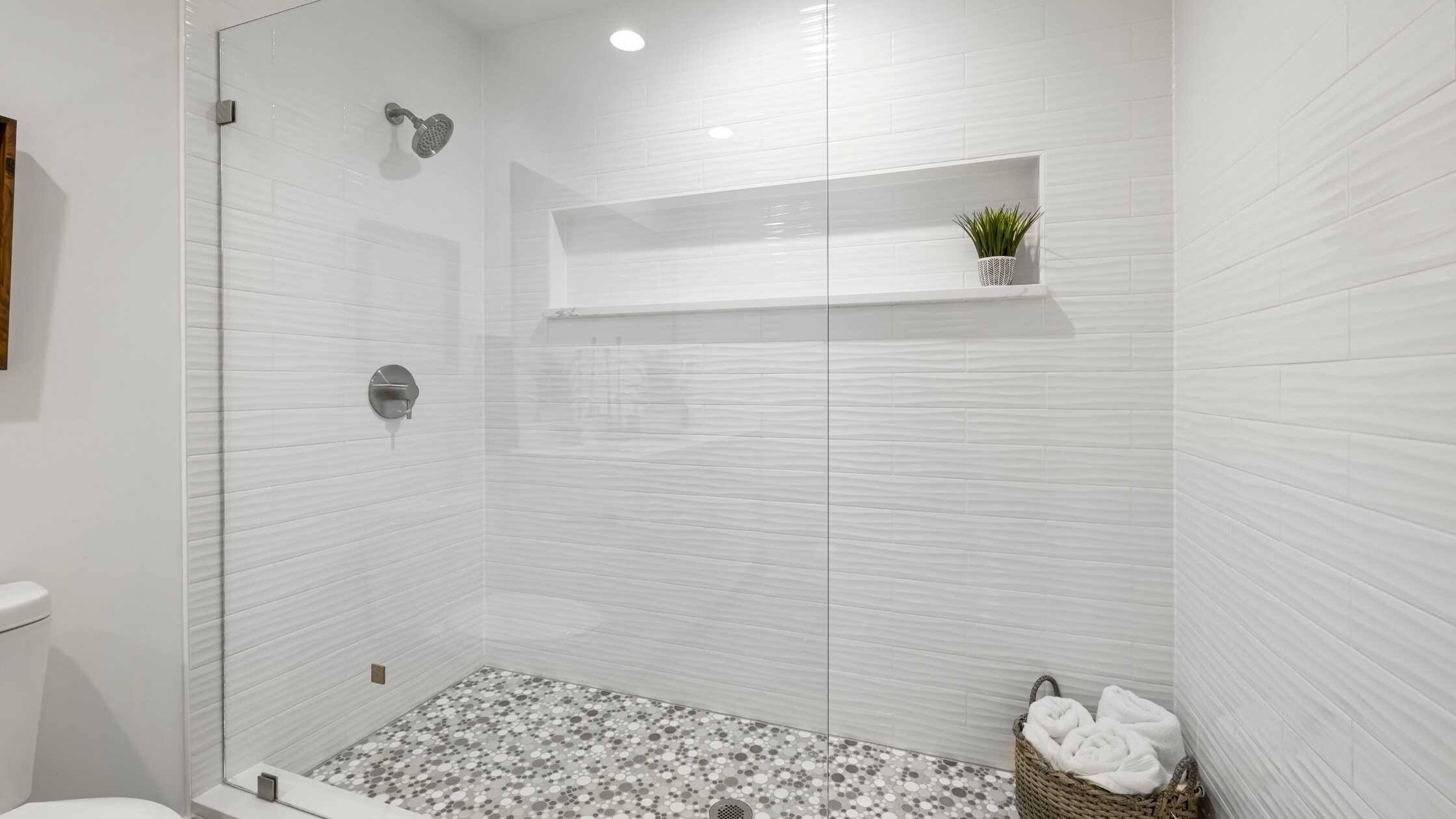
Even well-intentioned homeowners can encounter trouble during a bathroom conversion if they overlook critical considerations. From choosing an inadequate shower conversion kit to skimping on waterproofing, these mistakes can cost significantly more to fix after installation than they would have to prevent initially. Understanding the most frequent conversion errors helps you avoid unnecessary expenses and ensures your new bathroom meets both your immediate needs and long-term expectations.
A curbed shower conversion offers an accessible middle ground between full custom installations and basic conversion kits. The curb provides a defined shower space that contains water effectively while still offering easier access than a traditional bathtub. This approach often costs less than zero-threshold installations because it requires less extensive floor modification and waterproofing, making it an affordable option for budget-conscious homeowners. However, choosing between curbed and curbless designs requires careful consideration of your household’s accessibility needs, budget, and long-term plans.
Cost considerations for shower conversions include:
- Base shower unit or custom pan construction
- Wall surrounds or tile installation
- Plumbing modifications and fixture installation
- Waterproofing materials and labor
- Trim, accessories, and finishing details
The price varies based on material choices, size, customization, and labor rates in your area, but thoughtful planning and quality materials represent excellent value for the transformation they deliver. Poor planning around drainage, ventilation, and structural support creates problems that may not become apparent until after the job is complete. Selecting inappropriate materials for your specific bathroom conditions or failing to account for proper slope and water flow can lead to standing water, mold growth, and premature deterioration. Budget-conscious decisions that sacrifice quality often result in spending more money on repairs than you would have invested in doing it right the first time.
Discover 7 Costly Tub-to-Shower Conversion Mistakes (and How to Avoid Them) to protect your investment and ensure a successful conversion that delivers lasting value.
Accessible Shower Conversions for Aging in Place
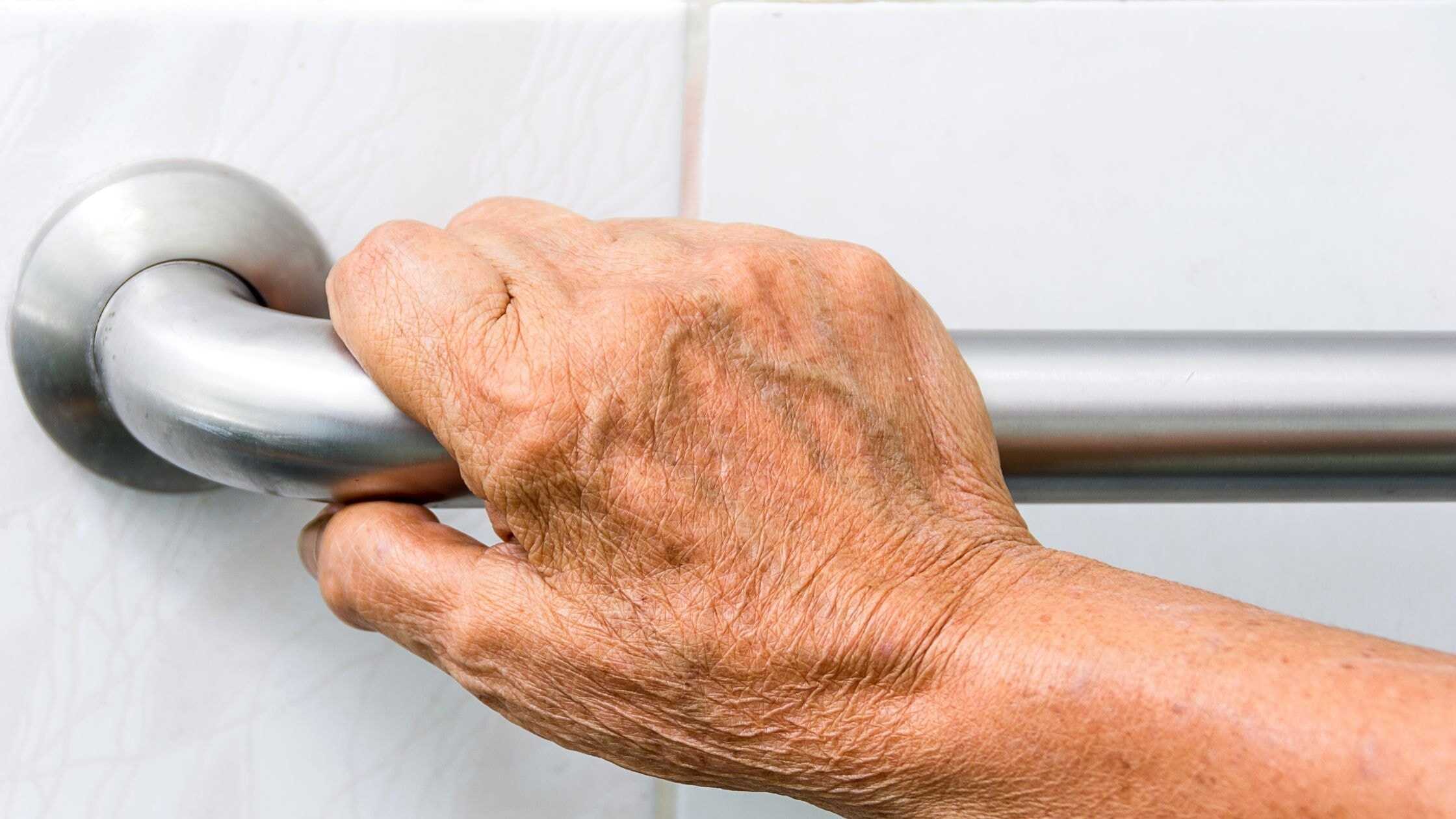
For many homeowners, a tub to shower conversion centers on improving accessibility and safety for aging in place or addressing mobility needs. A thoughtfully designed accessible shower eliminates barriers that make traditional bathtubs dangerous or impossible to use, providing independence and dignity for those with physical limitations. These conversions incorporate features like zero-threshold entry, reinforced grab bar installation points, built-in seating, and non-slip flooring that create a safer bathroom environment.
The design considerations for accessible conversions extend beyond basic safety features to include appropriate dimensions for wheelchair access, strategically placed controls within easy reach, and adequate space for caregivers when needed. Professional installation ensures structural support for safety features meets building codes and can support the weight and stress of daily use. Converting your bathtub to an accessible walk in shower allows you to remain in your home comfortably as your needs change over time.
Read about Accessible Shower Conversions for Aging in Place and Mobility Needs to explore design options and features that enhance bathroom safety and accessibility.
Bathtub vs. Walk-In Shower: Which Is Right for Your Home?
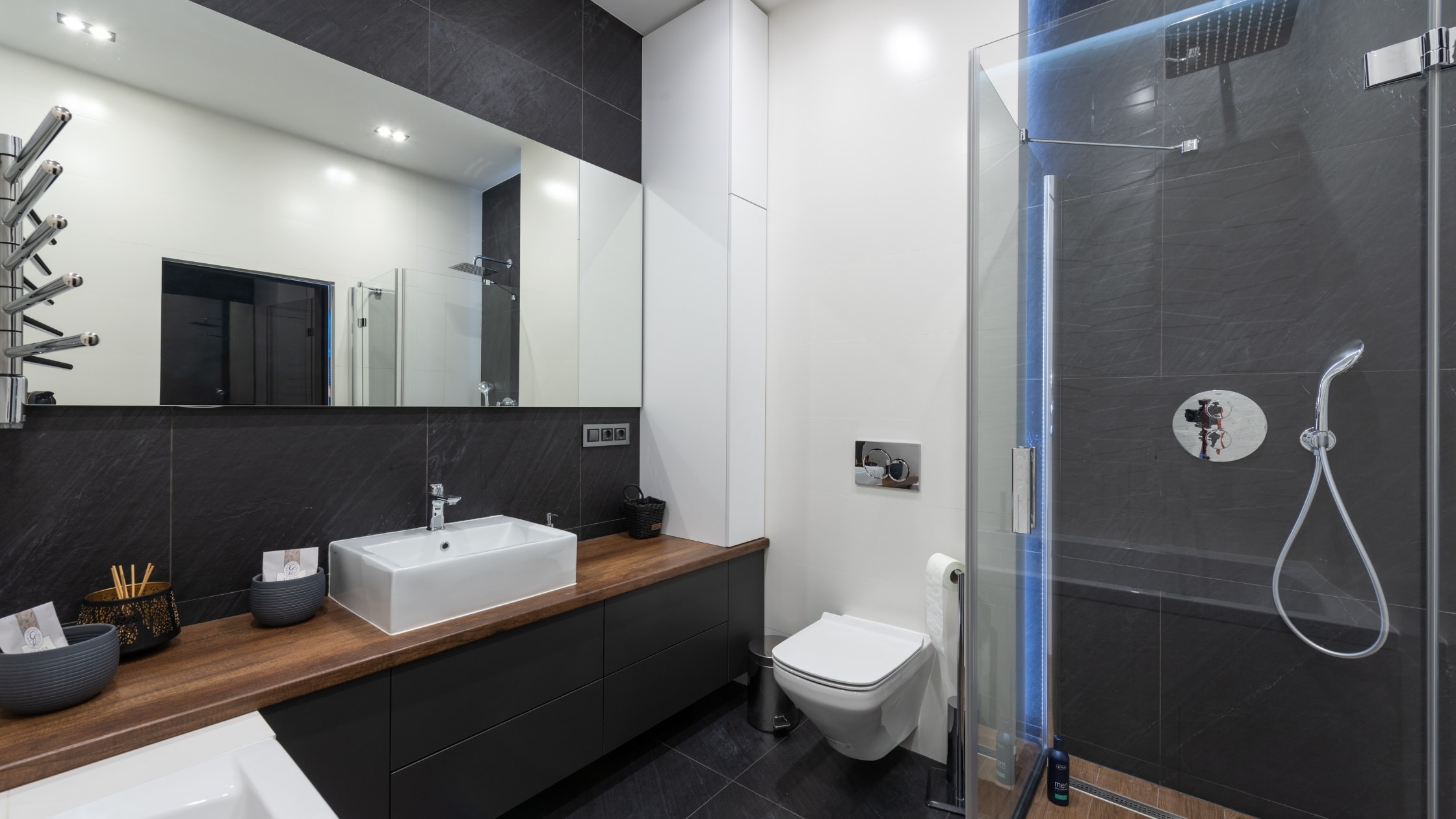
Deciding whether to convert your tub or maintain bathtub access depends on your household composition, lifestyle, and long-term plans. While walk in showers offer convenience and modern style, some homes benefit from retaining at least one bathtub, particularly when young children are present or for resale considerations. Understanding how each option affects your daily life, home value, and future flexibility helps you make a decision that suits your specific situation.
The choice between a bathtub and shower also involves practical factors like available space, plumbing configuration, and budget constraints. A shower conversion typically costs less than installing a new bathtub and creates a more spacious feel in smaller bathrooms. However, removing your only bathtub may impact buyer appeal if you plan to sell your house within a few years. Weighing these considerations against your immediate needs and preferences guides you toward the right solution for your bathroom.
Compare your options in Bathtub vs. Walk-In Shower: Which Is Right for Your Home? to evaluate which choice best serves your household and home.
How Do Small Bathroom Shower Conversions Maximize Space?
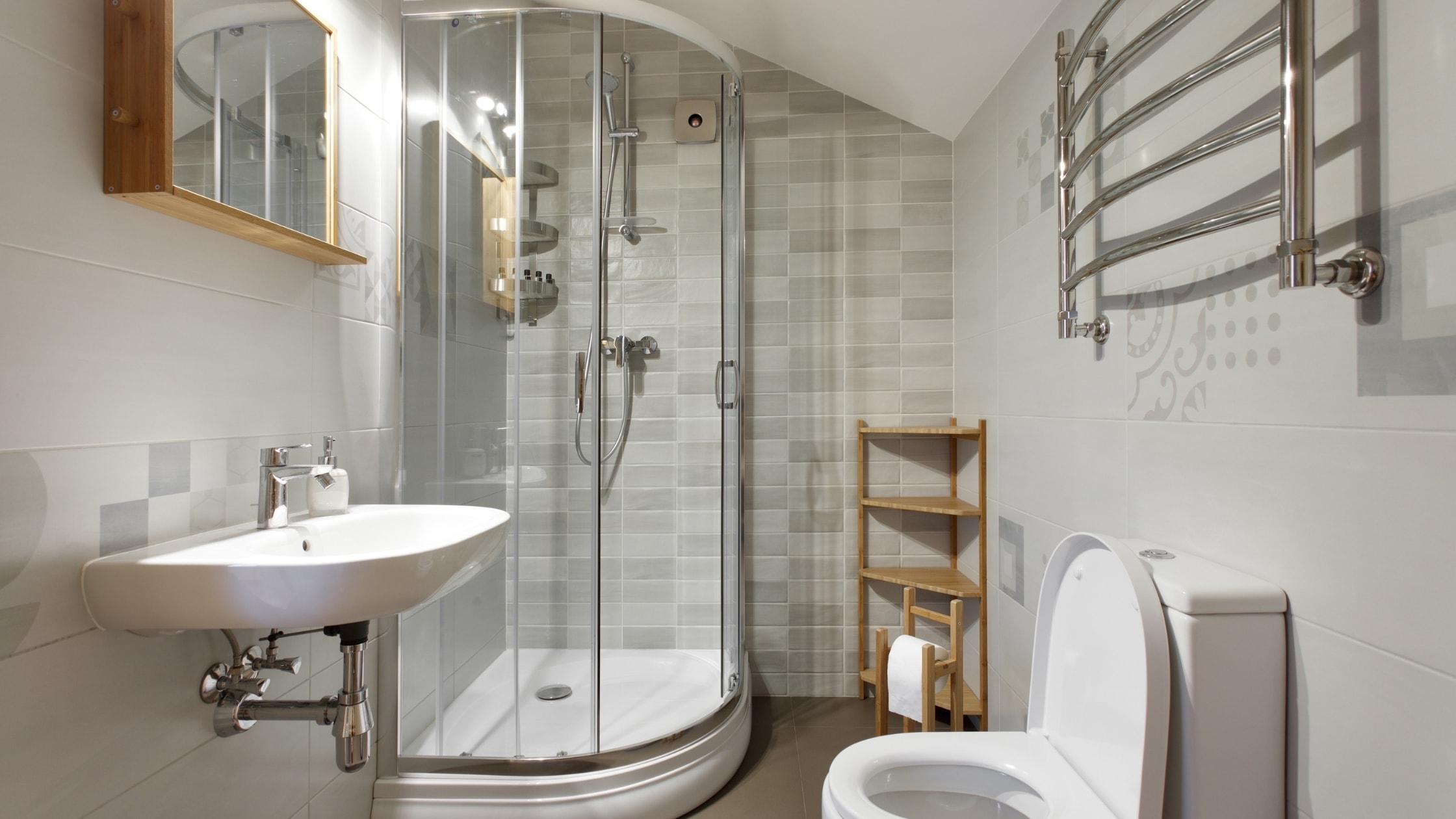
Small bathrooms present unique challenges and opportunities during a tub to shower conversion. Strategic design choices can transform a cramped, outdated bath into a surprisingly spacious and functional room that feels larger than its square footage suggests. Replacing a bulky bathtub with a streamlined shower unit immediately opens up the space, while thoughtful selection of fixtures, storage solutions, and visual elements enhances the perception of openness.
Corner installations, frameless glass doors, and wall-mounted accessories help maintain clean sight lines that make small bathrooms feel less cluttered. Light colors, strategic lighting, and reflective surfaces create an airy atmosphere, while built-in niches and recessed storage provide practical organization without encroaching on shower space. Professional designers understand how to maximize every inch of a compact bathroom, turning limitations into elegant solutions that deliver both style and functionality.
Explore Small Bathroom Shower Conversions That Maximize Space and Style for design strategies that make small bathrooms feel larger and more luxurious.
Why Waterproofing Is Critical to Your Shower Conversion Success
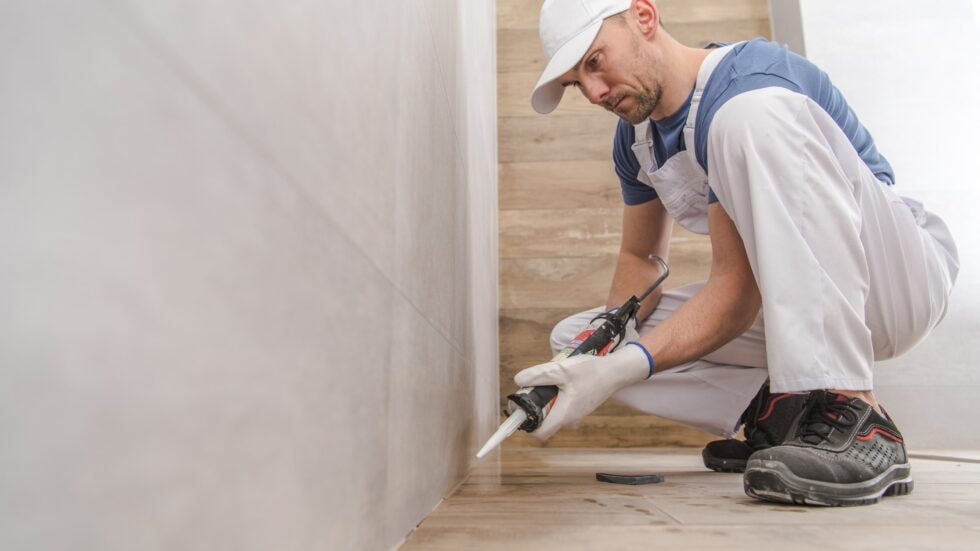
Waterproofing forms the foundation of a durable, trouble-free shower conversion. This crucial step protects your home’s structure from water damage that can lead to rot, mold growth, and costly repairs down the line. Despite being hidden behind your shower walls and floor, proper waterproofing determines whether your conversion lasts decades or requires extensive remediation within a few years.
The waterproofing process involves multiple layers of protection, from moisture barriers behind wall surfaces to properly sealed corners and penetrations. Quality materials and meticulous installation techniques create a watertight envelope that prevents water from reaching the structural components of your home. Cutting corners on waterproofing to save time or money during installation risks far greater expenses when water damage eventually appears. According to the National Association of Home Builders, water intrusion represents one of the most common and expensive problems in bathroom remodels, making comprehensive waterproofing essential to any conversion project.
Understand Why Waterproofing Is the Most Important Part of a Shower Remodel to protect your investment and ensure lasting performance.
What Shower Safety Features Should You Include?
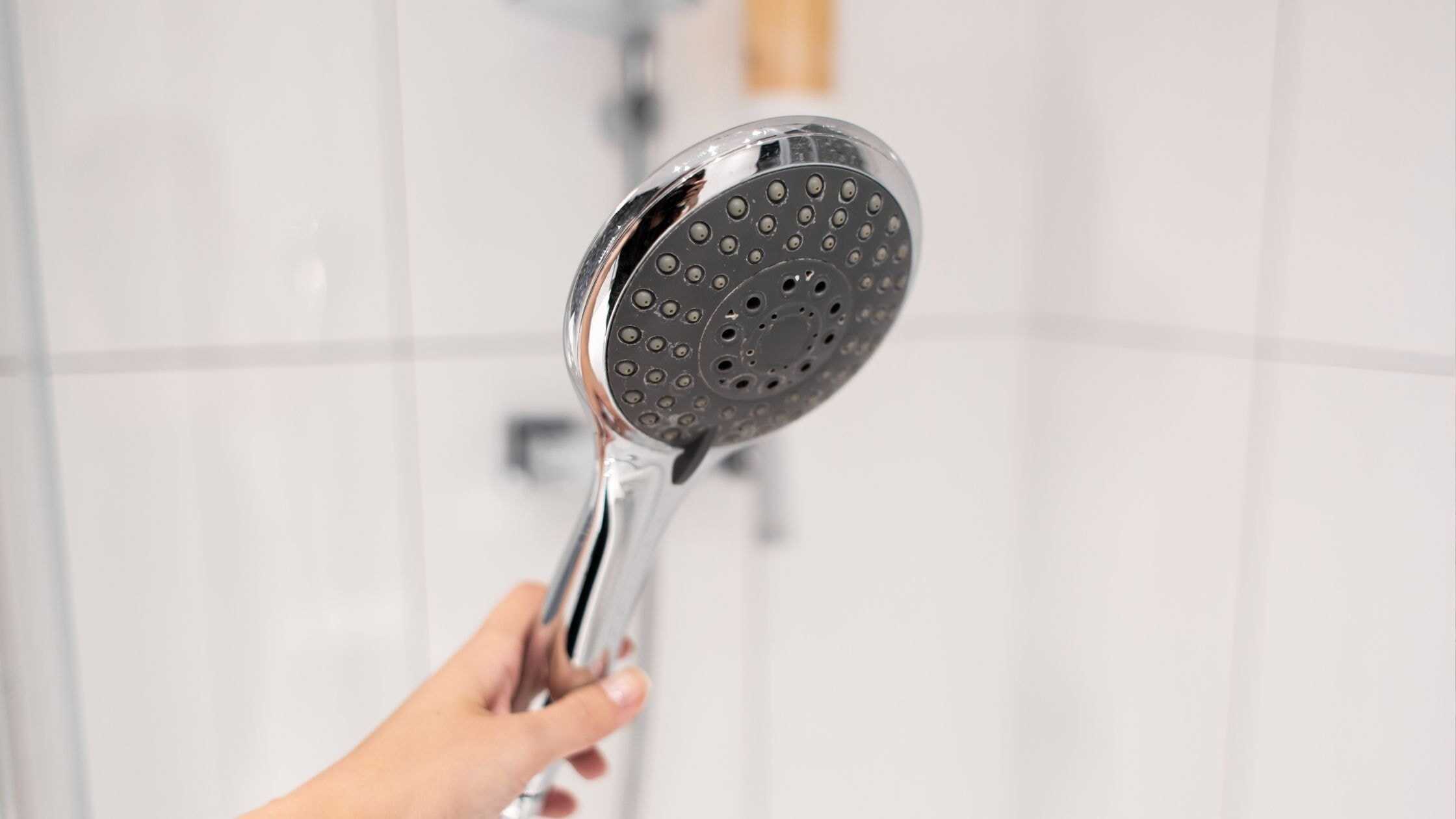
Safety features transform your new shower from a beautiful upgrade into a secure, user-friendly space that accommodates your household’s needs. Beyond aesthetics and functionality, incorporating appropriate safety elements prevents accidents and injuries while supporting independent living for all ages and abilities. Strategic placement of grab bars, non-slip surfaces, and accessible controls creates a bath that serves you well today and adapts to changing needs over time.
Key safety considerations include:
- Slip-resistant flooring that maintains traction even when wet
- Grab bars installed with proper backing and rated for weight-bearing use
- Thermostatic mixing valves that prevent scalding
- Barrier-free or low-threshold entry that reduces tripping hazards
- Adequate lighting including task lighting at key areas
- Handheld showerheads for easier cleaning and accessibility
Professional installation ensures safety features are properly anchored and positioned for maximum effectiveness. Reinforcement added during the conversion provides secure mounting points that can support the full weight of someone using grab bars for stability. These details create peace of mind knowing your shower supports safe bathing for everyone in your household.
Review Essential Shower Safety Features for a Safer Bathroom to learn which features matter most for your situation.
Frequently Asked Questions About Tub to Shower Conversions
How long does a tub to shower conversion take to complete?
Most tub to shower conversions using pre-fabricated components can be completed in 1-3 days, depending on the complexity of your project and any necessary plumbing or structural modifications. Custom tile installations typically require 5-7 days to allow for proper curing and waterproofing. Your contractor can provide a detailed timeline based on your specific situation and material choices.
Will removing my bathtub decrease my home’s resale value?
The impact on home value depends on your local market and whether you’re removing your only bathtub. In areas with predominantly adult homeowners or where shower conversions are common, the upgrade often increases value by modernizing the bath. Homes with young families typically benefit from maintaining at least one bathtub. Consult with local real estate professionals to understand buyer preferences in your specific market.
Can a shower conversion be done without major plumbing changes?
Many tub to shower conversions utilize existing plumbing connections with minimal modifications, particularly when the shower drain can be positioned where the tub drain was located. However, some installations require adjusting pipe positions or upgrading fixtures. A professional assessment determines what plumbing work your specific conversion requires.
What’s the difference between a shower pan and a curbed shower base?
A shower pan refers to the waterproof floor component of your shower, while a curbed shower includes a raised threshold that helps contain water within the shower space. The curb creates a defined boundary and can be built with various heights to suit accessibility needs while still providing effective water retention.
How do I know if my bath structure can support a shower conversion?
Professional contractors assess your existing floor structure, wall framing, and plumbing during the initial consultation. Most baths that previously held a bathtub have adequate structural support for a shower conversion. However, older homes may require reinforcement, and any water damage discovered during tub removal should be addressed before proceeding with installation.
Are DIY shower conversion kits as good as professional installation?
While conversion kits are designed for easier installation, professional installation ensures proper waterproofing, structural support, and code compliance that protect your investment long-term. Experienced contractors identify and address potential issues before they become problems, and warranty coverage often requires professional installation. The cost difference between DIY and professional installation is typically a fraction of what you’d spend correcting mistakes later.
What maintenance does a converted shower require?
Modern shower surrounds made from acrylic or PVC require minimal maintenance – regular cleaning with non-abrasive cleaners keeps them looking new. Ensure proper ventilation to prevent mold and mildew growth, and periodically check caulk and grout lines for any deterioration that could allow water intrusion. Quality materials and proper installation significantly reduce maintenance requirements compared to traditional tile showers.
Transform Your Pittsburgh Bathroom with Professional Shower Conversion Services
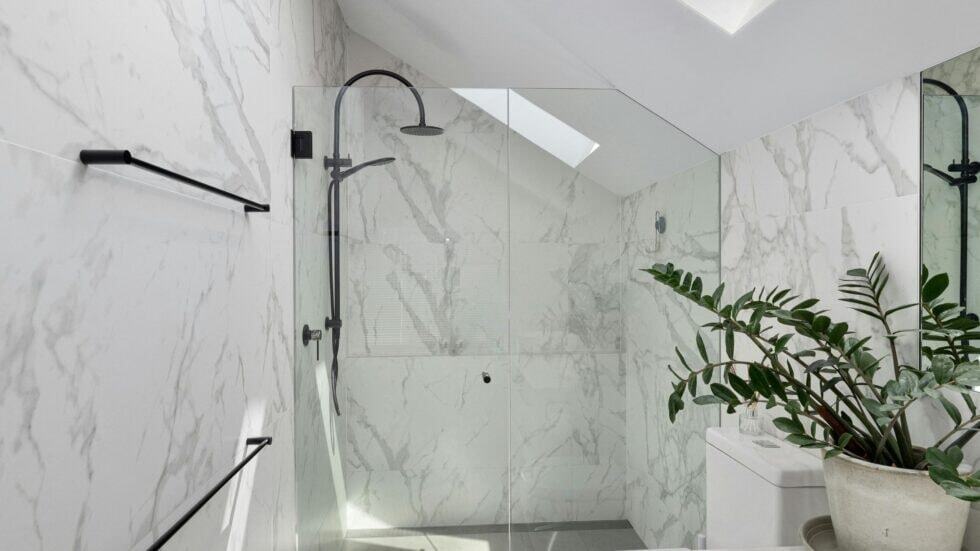
Converting your bathtub to a walk in shower represents one of the most impactful upgrades you can make to your bathroom. This transformation delivers improved accessibility, modern elegance, and practical functionality that enhances your daily life while adding value to your home. From careful planning and material selection to expert installation and waterproofing, each element contributes to creating a shower that exceeds your expectations and serves your household for years to come.
My Bath LLC specializes in helping Pittsburgh-area homeowners finally achieve the bathroom of their dreams through professional tub to shower conversions. Whether you need an accessible shower for aging in place, want to maximize space in a small bath, or simply desire a contemporary upgrade, experienced professionals can customize a solution that fits your lifestyle and budget.
Ready to discover how a shower conversion can transform your bathroom? Contact My Bath LLC to schedule your consultation and take the first step toward a safer, more beautiful, and more functional bathroom space.