
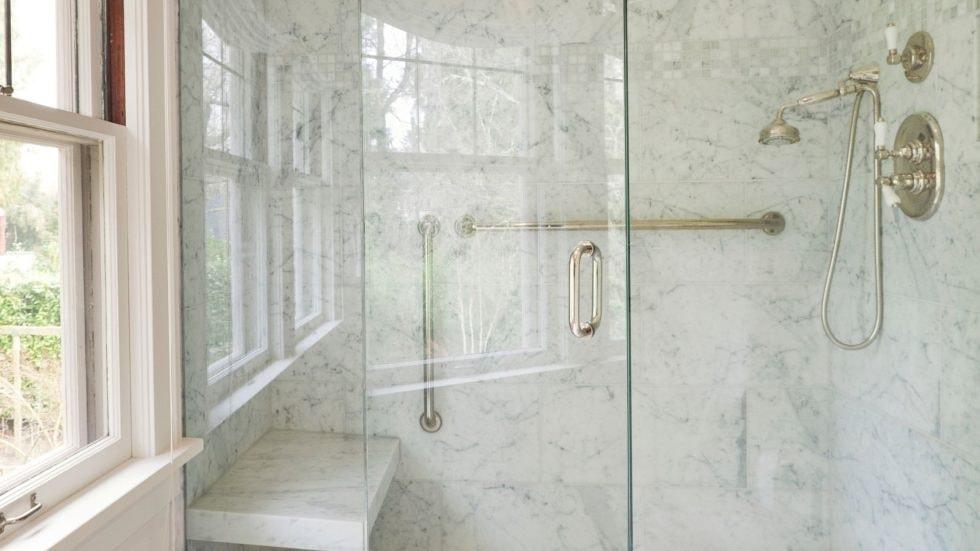
The right shower safety features reduce the risk of slips and falls, support independence, and make bathing easier for people at every stage of life. Whether the goal is to future-proof a bathroom, accommodate limited mobility, or simply create a more secure daily routine, these features belong in any thoughtful shower design.
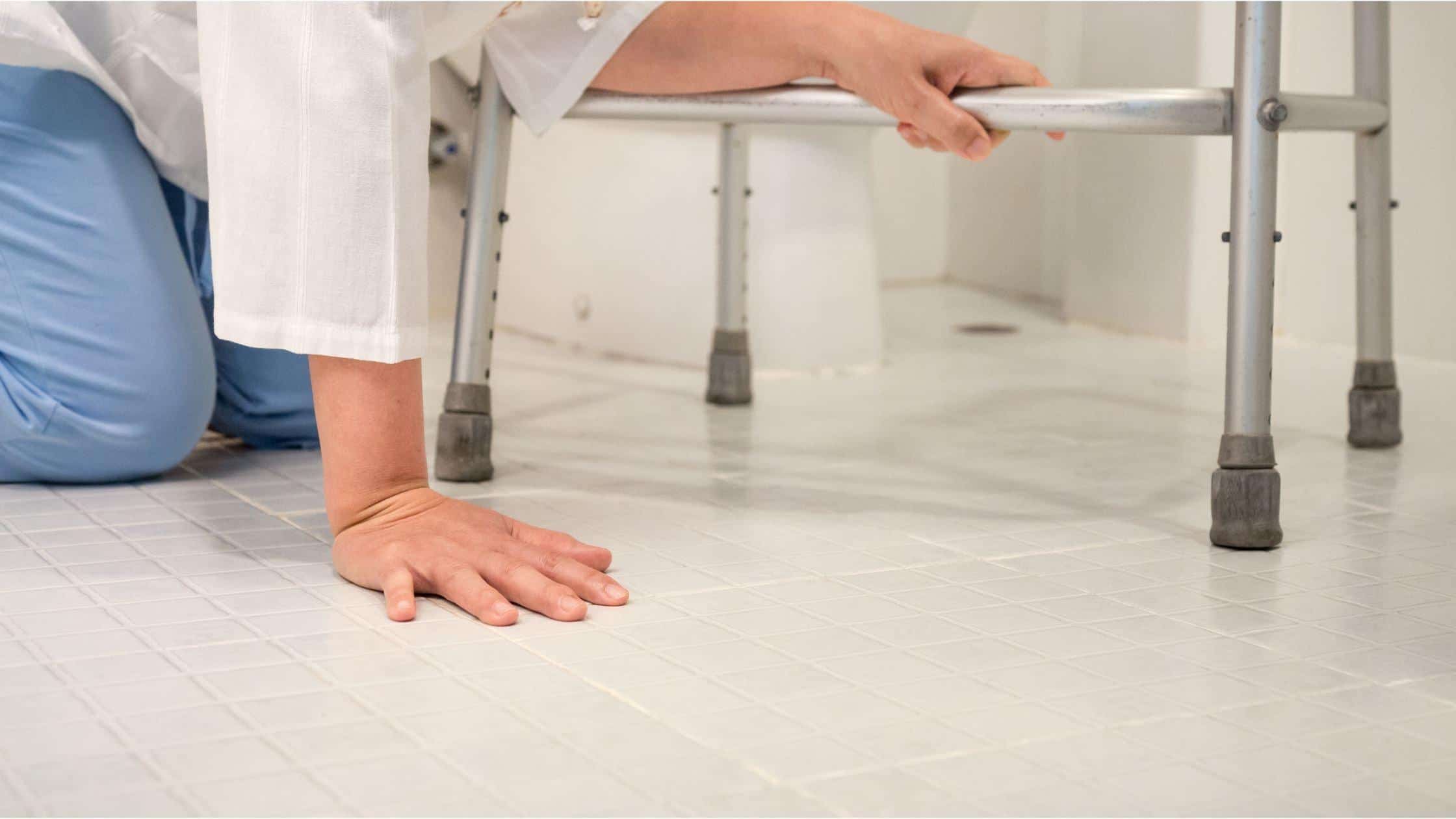
Bathroom falls are among the most common household injuries. According to the Centers for Disease Control and Prevention, falls are the leading cause of injury-related death among adults 65 and older, and the bathroom is one of the highest-risk rooms in the home. Wet environments create conditions where even a healthy, steady person can lose footing. A shower designed with safety in mind addresses those conditions directly rather than leaving the user to manage the risk on their own.
My Bath LLC works with homeowners across Butler and the greater Pittsburgh area to build showers that are safer, more accessible, and better suited to long-term use. Many of these upgrades integrate cleanly into a standard tub-to-shower conversion without changing the look of the space. This guide covers the key features that make the biggest difference.
Why Are Grab Bars One of the Most Important Safety Features in a Shower?
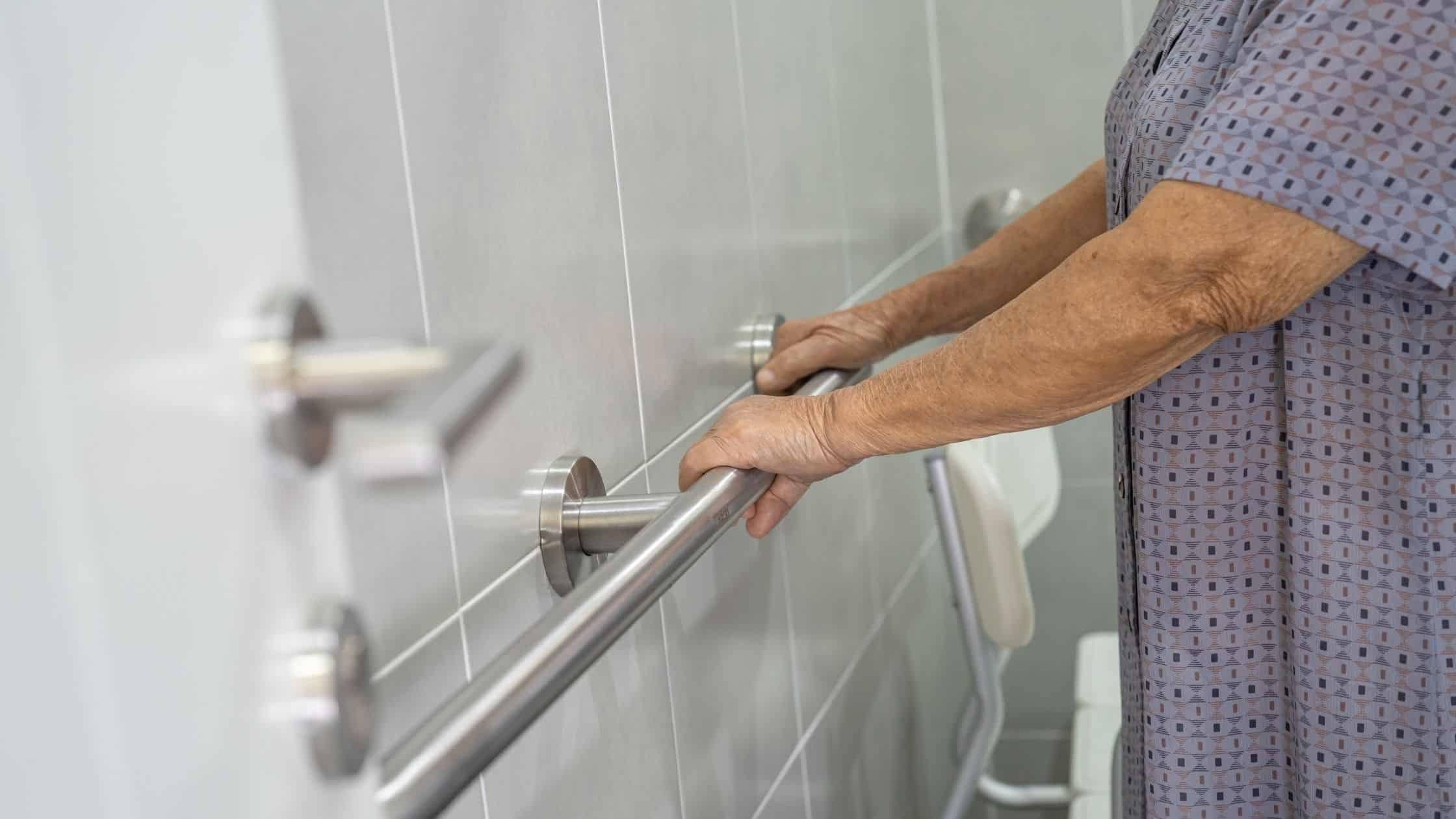
Grab bars provide stability at the moments when a person is most vulnerable to losing balance: stepping in and out of the shower, transitioning from standing to sitting, and reaching for items on a shelf. They do not signal frailty or age. They are a structural feature that supports safe movement for anyone using the space.
Installing grab bars correctly requires anchoring them to wall studs or using rated toggle anchors designed for wet environments. A grab bar that pulls away from the wall under body weight creates more danger than having no bar at all. The standard weight rating for a properly installed grab bar is 250 pounds, and the placement should account for the actual movement patterns of the people using the shower.
Where Should Grab Bars Be Installed?
Placement depends on the shower layout and the user’s needs, but three locations address the most common balance challenges:
- Near the entry point of the shower, positioned vertically to support stepping in and out
- Along the shower wall at standing height, positioned horizontally to support maintaining balance while washing
- Adjacent to a shower seat or bench, angled to support the transition between sitting and standing
Quick tip: When planning a shower remodel, install blocking in the walls during framing even if grab bars are not part of the immediate plan. That backing lets bars go in at any point in the future without opening the wall.
For homeowners interested in a broader look at accessible design options, the accessible shower conversion guide covers grab bar placement alongside other mobility-focused features in more detail.
Which Non-Slip Surfaces Work Best on a Shower Floor?
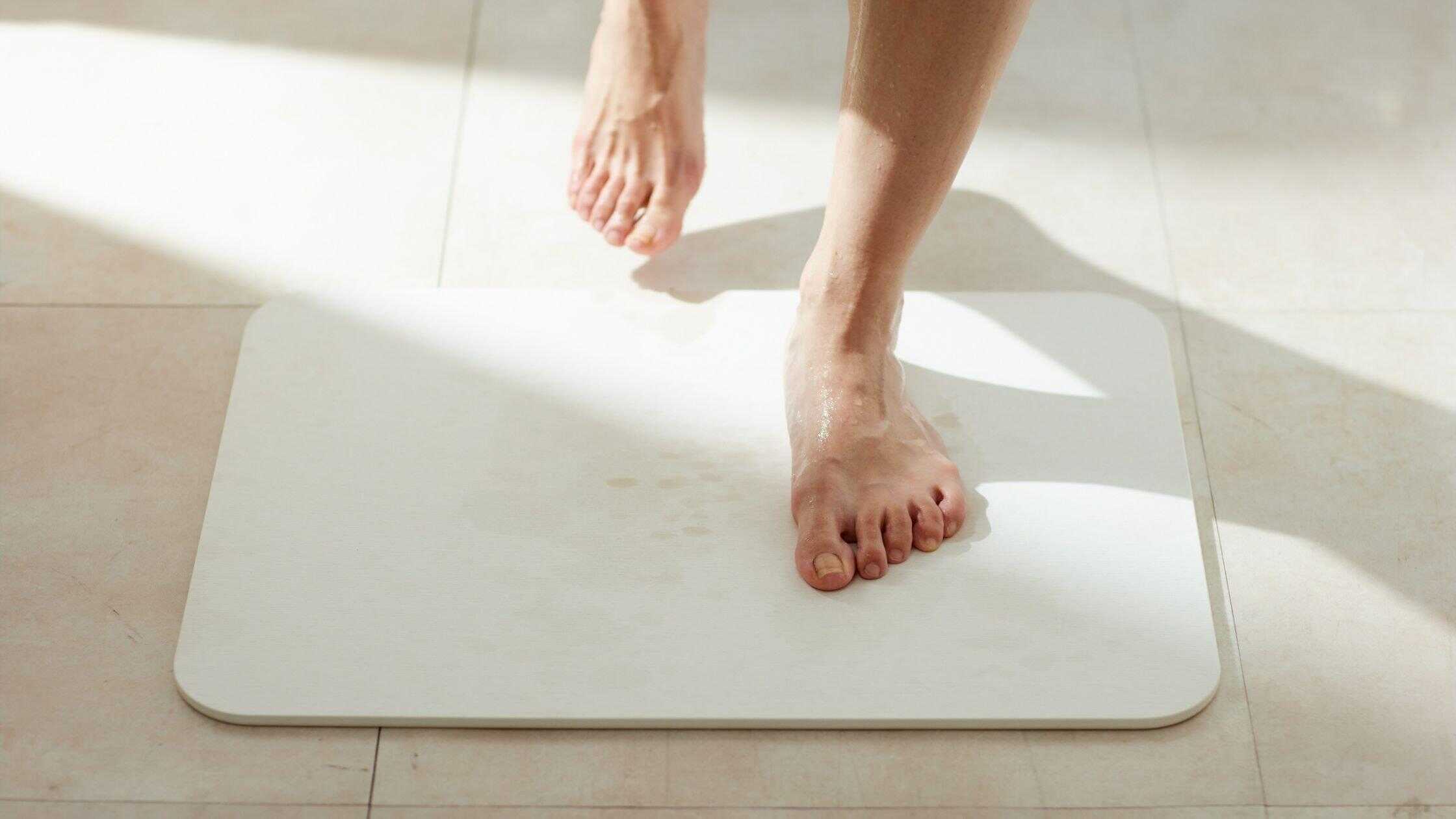
The shower floor is where slips and falls happen most often. A slip resistant surface is the first line of defense, and the material choice determines how much traction the floor provides when wet. Smooth, polished tile may look clean and refined, but it offers minimal grip underfoot in a wet environment. The right non-slip flooring provides secure footing without requiring a mat or additional accessory on top.
Tile Texture and Coefficient of Friction
The slip resistance of a floor tile is measured by its Dynamic Coefficient of Friction (DCOF). The Tile Council of North America recommends a DCOF of 0.42 or higher for wet floor applications. Matte, textured, and small-format tiles generally meet this threshold more reliably than large-format polished tiles. Mosaic tile in a 1-by-1 or 2-by-2 inch format creates a high grout-line-to-tile ratio that improves grip on the shower floor.
Do Non-Slip Mats Work as a Long-Term Solution?
Non-slip mats and bath mats provide a layer of better traction over an existing smooth surface. They work in the short term but carry limitations as a permanent solution. Mats with suction cups can lose their grip over time as the suction cups degrade. They also require regular removal and cleaning to prevent mold and mildew buildup underneath. For a newly remodeled shower, building non-slip surfaces into the tile selection is more reliable and easier to maintain than relying on removable mats.
Did you know? Textured vinyl flooring is an option for shower floors in some conversion formats and offers strong slip resistance with a softer underfoot feel than ceramic or porcelain tile. It is worth discussing with a contractor if comfort and traction are both priorities.
How Do Adjustable Showerheads Improve Shower Safety?
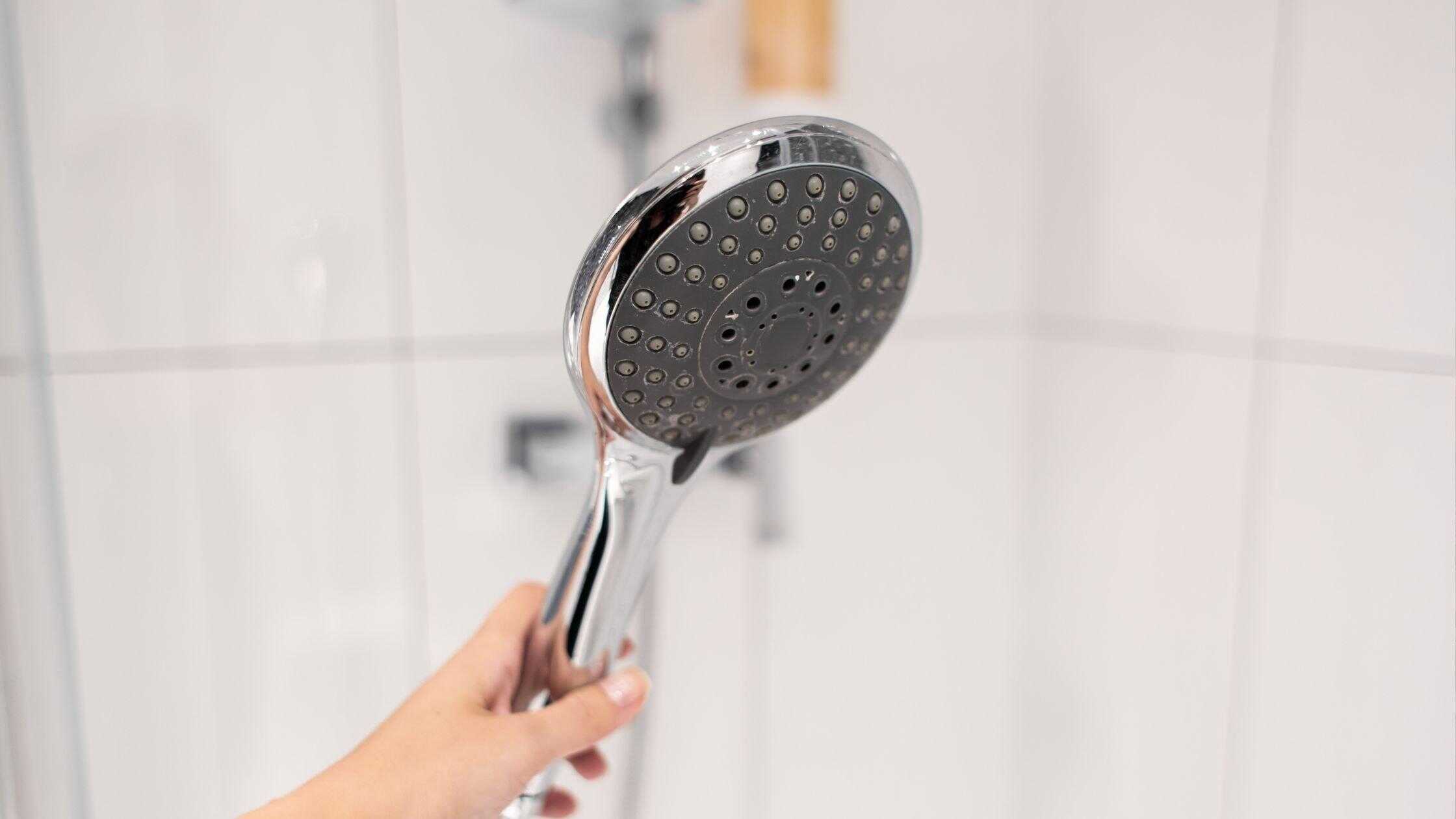
Adjustable showerheads, including handheld showerheads on a slide bar, enhance safety by allowing the user to control water flow without changing body position. A person using a shower seat or shower chair can direct the water where needed without standing or twisting. This reduces the postural instability that leads to falls in wet environments.
Handheld showerheads also make it easier to rinse off without reaching across the shower area or stepping into a direct stream. For users with limited mobility, this control over water direction is a meaningful functional upgrade. A slide bar mount allows the head to position at different heights, accommodating both standing and seated use from the same fixture.
Quick tip: Pair a handheld showerhead with a thermostatic valve or anti-scald device to control water temperature at the source. Anti-scald devices prevent sudden temperature spikes that cause instinctive movement and loss of balance.
What Are the Most Important Safety Features for a Walk-In Shower?
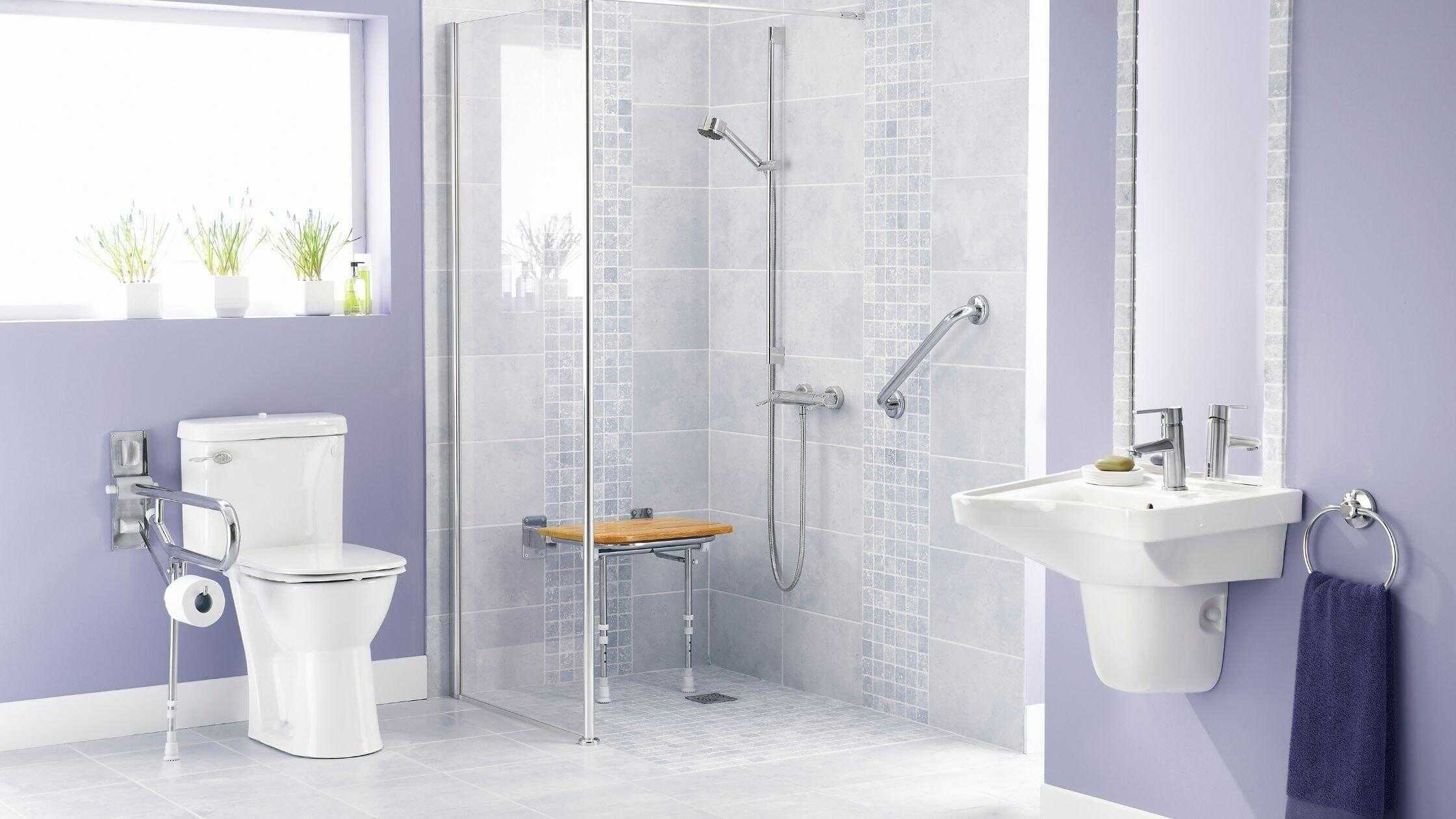
A walk-in shower with a curbless or low-threshold entry removes one of the most common trip hazards in the bathroom. Standard tub surrounds require a high step over the tub edge that becomes more difficult with age or limited mobility. Eliminating that step creates easy access and reduces the risk of a fall at entry or exit.
The most impactful safety features in a walk-in shower design include:
- Curbless or low-profile threshold for unobstructed entry and exit
- Grab bars at entry, along the shower wall, and near any seating area
- Built-in shower seat or fold-down bench to allow seated bathing without a separate transfer bench
- Slip-resistant floor tile with a DCOF rating appropriate for wet areas
- Handheld showerhead with a slide bar for flexible water direction from any position
- Anti-scald device or thermostatic valve to control water temperature
- Lever handles on valves and fixtures for easy access with reduced grip strength
Shower chairs and transfer benches serve users who need to sit for the full shower rather than just occasionally. A built-in tiled bench integrates into the shower design and supports more weight than a portable chair. Transfer benches extend beyond the shower threshold, allowing a person to sit outside the shower and slide in without standing, which is a significant benefit for users with more significant mobility challenges.
The complete guide to tub-to-shower conversions explains how safety features integrate into the full conversion process and what to expect during installation.
What Else Can Prevent Slips and Falls in the Shower Area?
Lighting and Visual Clarity
Poor lighting in the shower area is an underappreciated safety issue. Users with visual impairments or age-related changes in vision are more likely to misjudge step height, floor texture, or the position of a grab bar in a dimly lit space. Recessed shower lighting that provides bright, even illumination without glare reduces this risk. Nightlights in the bathroom pathway also matter for anyone getting up during the night when the room is otherwise dark.
Accessible Storage Within Reach
Reaching for soap dishes, shampoo bottles, or accessories placed at awkward heights causes postural shifts that contribute to falls. Built-in niches and shelves at a reachable height within the shower keep items accessible without requiring the user to bend low, reach high, or balance on one foot. This is a small detail with a real impact on maintaining safety during a daily routine.
Avoiding common mistakes during a shower conversion project also matters for long-term safety. The 7 costly tub-to-shower conversion mistakes covers errors that compromise both safety and durability, including improper grab bar anchoring and threshold design that creates a trip hazard.
Frequently Asked Questions About Shower Safety Features
What is the most important shower safety feature for seniors?
Grab bars are the single most impactful safety feature for older adults because they provide support at the highest-risk moments: entering and exiting the shower and transitioning between standing and seated positions. A curbless threshold combined with grab bars creates the most meaningful improvement in shower safety for someone with balance concerns or limited mobility. Both features work together rather than in isolation.
Are grab bars hard to install in an existing shower?
Grab bars require anchoring into wall studs or using rated wall anchors appropriate for the substrate material. In an existing shower with tile walls, the installation involves drilling through the tile, which requires the right bit and technique to avoid cracking the surface. A professional installation ensures the bar is anchored at the correct height, with the correct hardware, and with a load rating appropriate for the intended use.
What is an anti-scald device and do I need one?
An anti-scald device limits the maximum water temperature at the showerhead, preventing sudden temperature spikes that occur when other fixtures in the home draw cold water. These devices are important for households with older adults, young children, or anyone with reduced sensitivity to heat. Many jurisdictions require anti-scald protection in residential shower installations through building code, and thermostatic valves provide the same protection with more precise temperature control.
How do I know if my shower floor is slip resistant enough?
Tile with a DCOF rating of 0.42 or higher meets the standard recommended by the Tile Council of North America for wet floor applications. If the current floor feels slippery when wet, the options are to apply a surface treatment designed to improve traction on existing tile, add non-slip mats, or replace the tile with a more slip-resistant option during a remodel. A remodel is the most reliable long-term solution.
What is the difference between a shower seat and a transfer bench?
A shower seat sits inside the shower and allows a person to sit while bathing while still entering the shower in a standing or partial-standing position. A transfer bench extends from inside the shower to outside the threshold, allowing a person to sit down outside the shower and slide across into the spray area without ever fully standing. Transfer benches are the better choice for users who cannot safely stand on a wet surface even briefly.
Can safety features be added to an existing shower without a full remodel?
Some features, including grab bars, handheld showerheads, non-slip mats, and portable shower chairs, can be added to an existing shower without major construction work. Other features, such as a curbless threshold, built-in bench, and slip-resistant tile, require a remodel to install correctly. Homeowners who want to address safety now and plan a full conversion later often start with portable and retrofit options while planning the structural changes as part of a larger project.
Build a Shower That Supports Safety for the Long Term
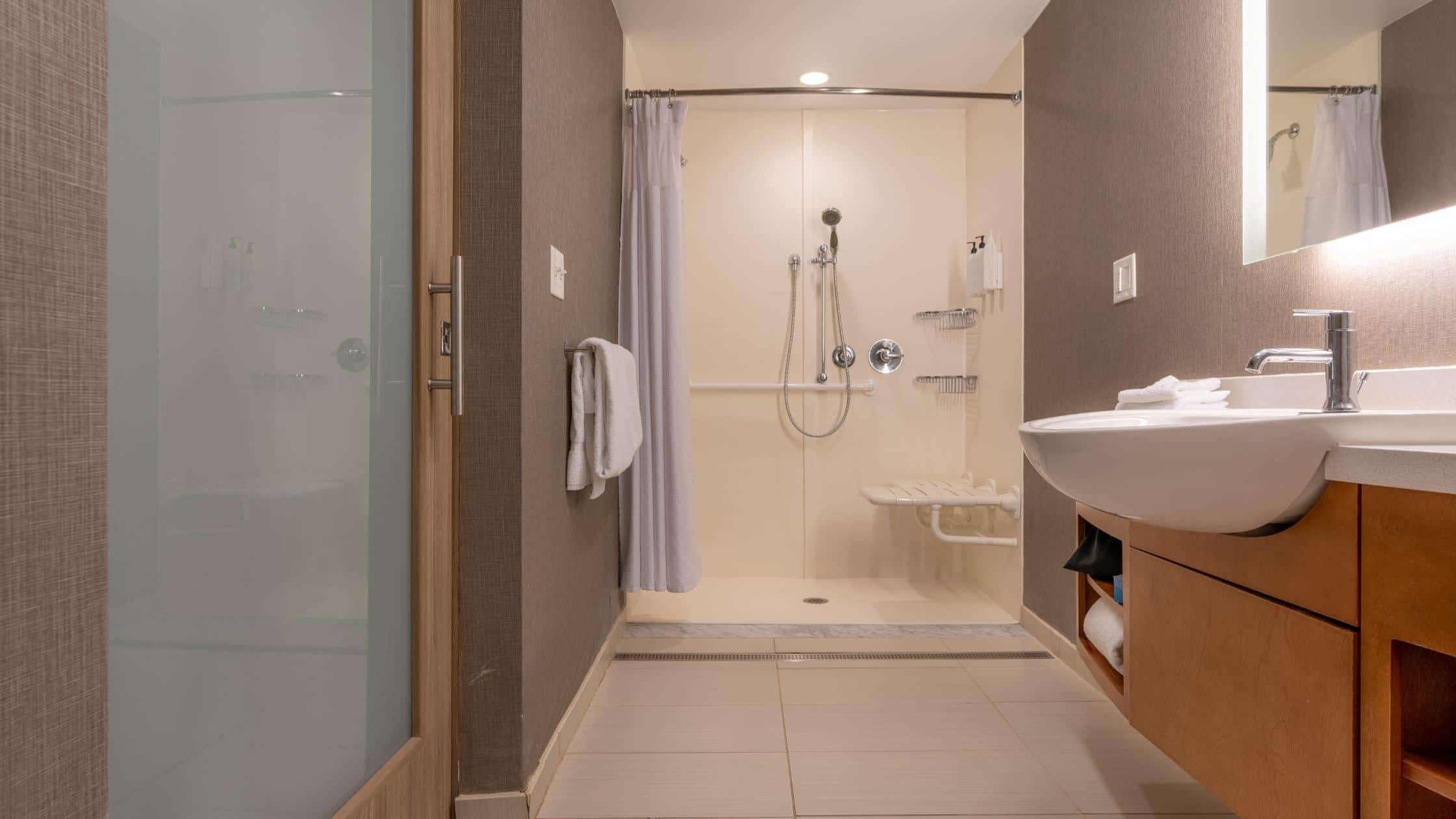
Shower safety features are not just for users with current mobility issues. They are a smart design decision for any bathroom that will see long-term use. A shower built with grab bars, non-slip flooring, accessible storage, and the right threshold design is easier and safer for everyone who uses it, at every age and ability level.
My Bath LLC helps homeowners in Butler and Pittsburgh plan and build showers where safety and functionality work together. Reach out to discuss what a safer shower looks like for your home and how a tub-to-shower conversion can address the features that matter most.